




Sueño, Decaf Espresso from Mexico


Sueño - Coffee Info
|
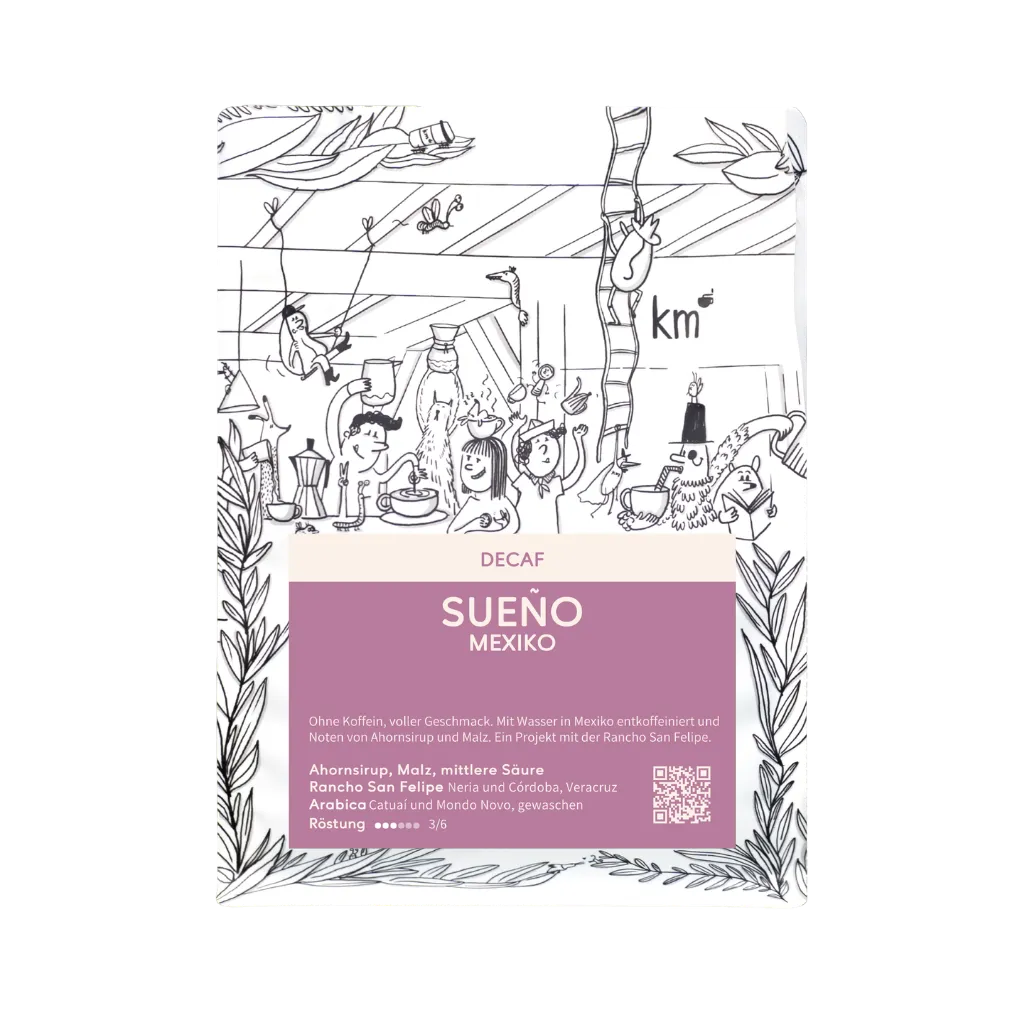
Flavor |
Dark chocolate, maple syrup, malt |
|
Bean Origin |
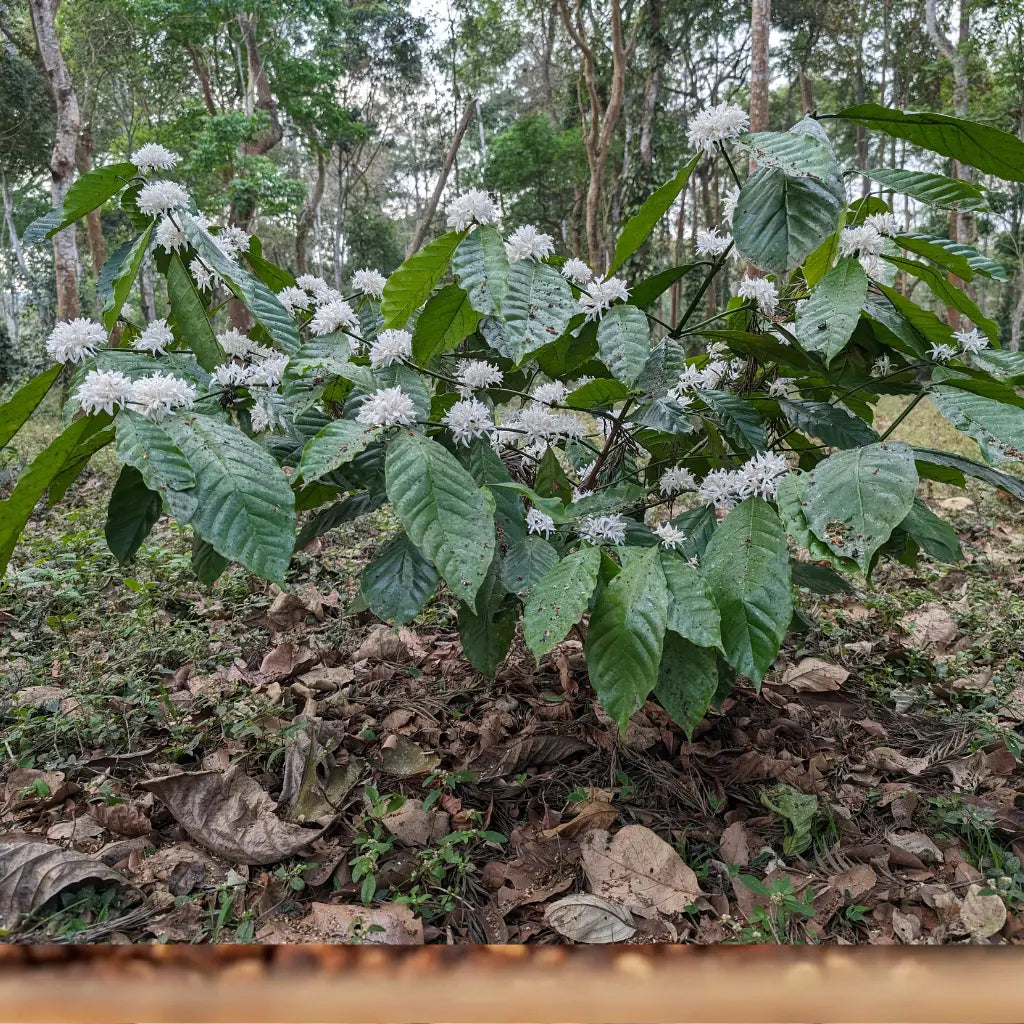
Mexico, Veracruz, Chocamán, Neria |
|
Producer |
Rafael Reyes |
|
Varieties |
Likely Catimores (see text for explanation, Arabica) |
|
Post-harvest process |
Washed, then decaffeinated using water |
|
All our coffees are sold as whole beans. |
|
How we would prepare the Sueño

Tell me more about the Sueño
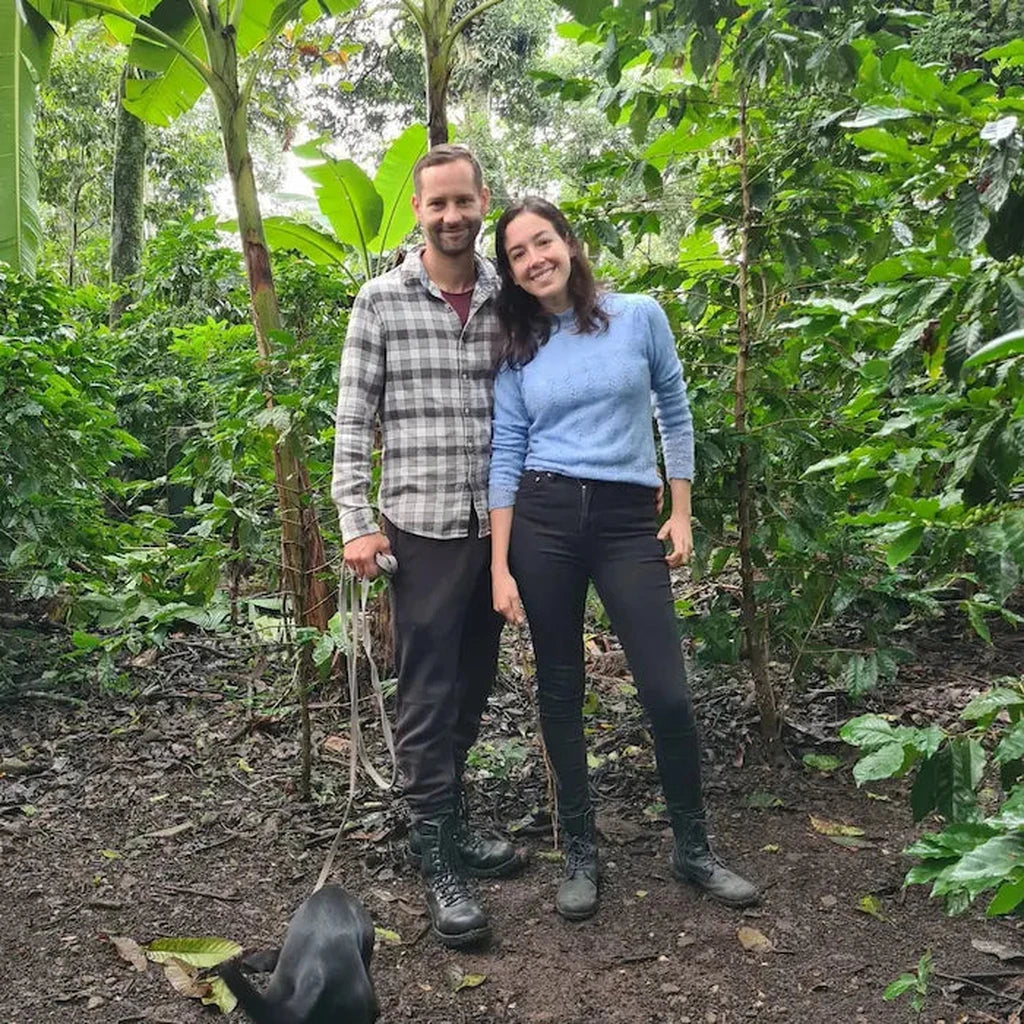
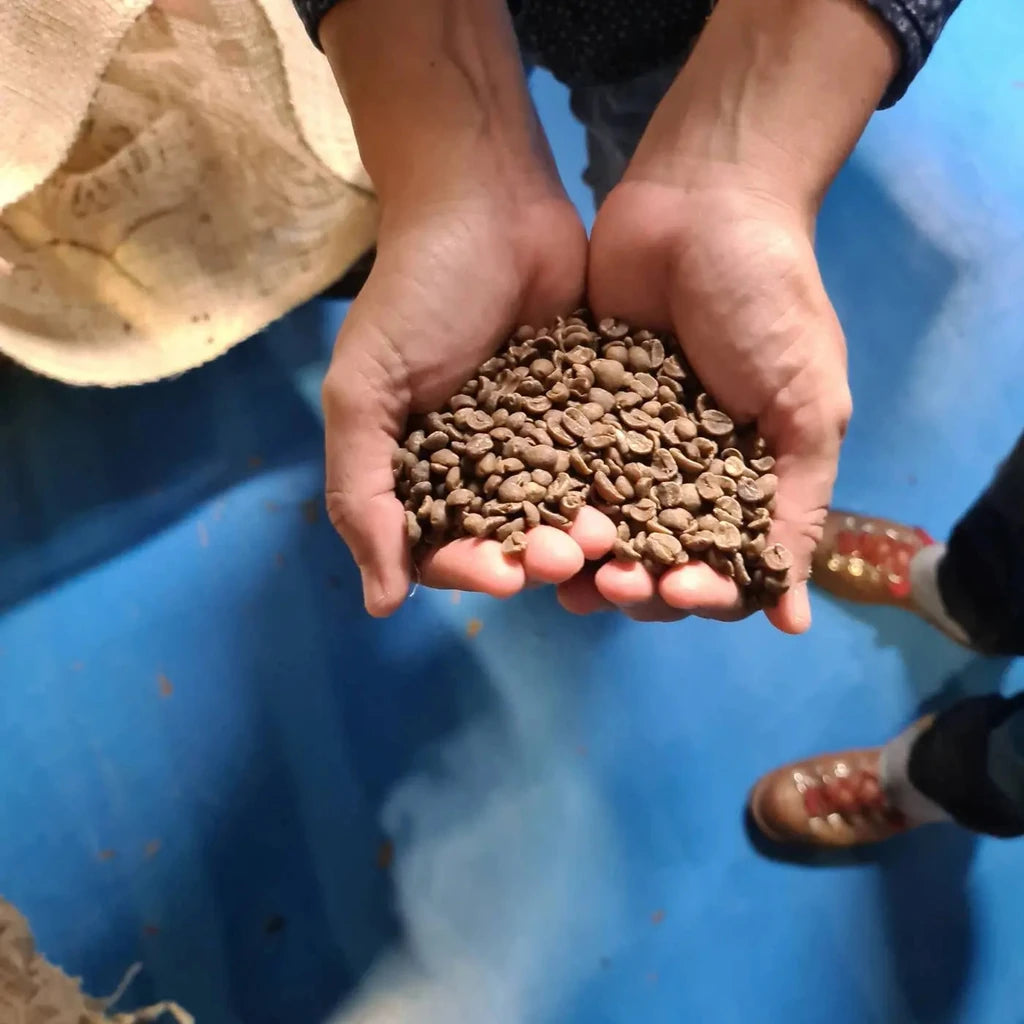
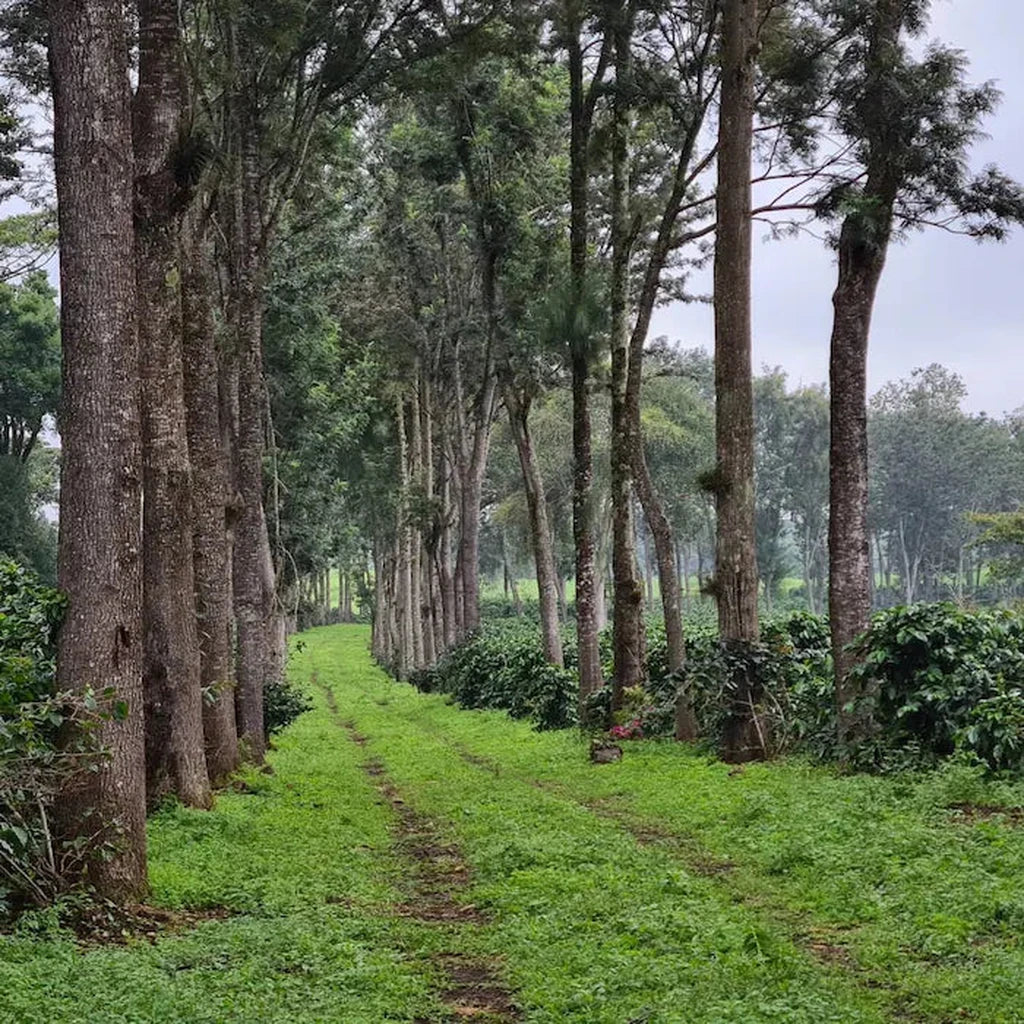
This coffee was decaffeinated exclusively with water - in Mexico, at Descamex in Córdoba. The coffee was grown in Neria, about 20km away, and processed at Rancho San Felipe, also in Córdoba. It was later shipped from the port of Veracruz, which is just under 100km away. While everything sounds logical, it actually isn't. There are only two companies that specialize in water-based decaffeination: Descamex in Mexico and Swiss Water in Canada. We wanted to create the most regional decaffeinated coffee possible, so we started a project with Rancho San Felipe: Melissa and Benni from Rancho San Felipe identified Rafael Reyes as the producer who could supply the coffee and have it decaffeinated by Descamex.
Why does the Sueño taste the way it does?
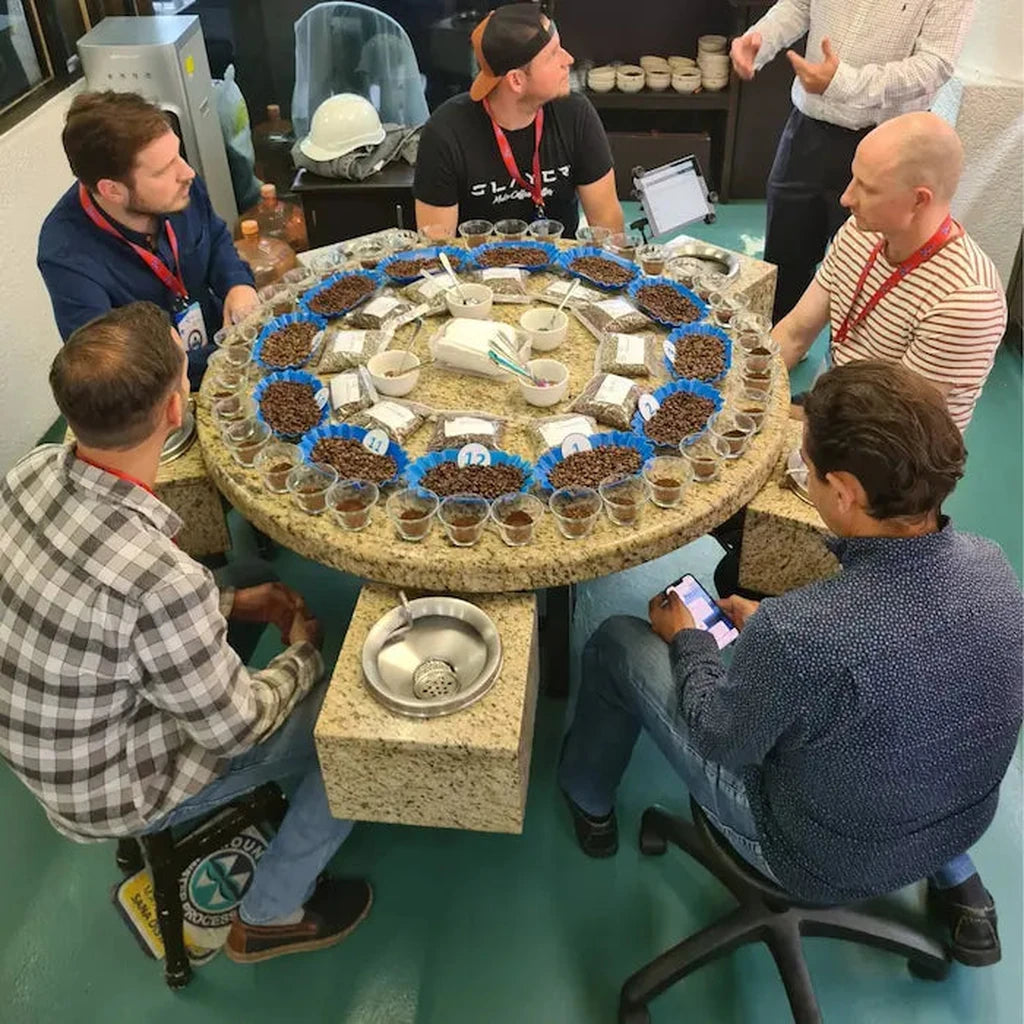
Decaffeinated coffees often have a "processed" taste. Cheaper and faster decaffeination methods using solvents like DCM (dichloromethane) are efficient but give the coffee an aftertaste you can really notice. Our Sueño is decaffeinated in Mexico using the chemical-free Mountain Water Decaf process. This process uses only water, pressure, and time. We were able to visit the plant at the end of 2022 and taste the coffees before and after the decaffeination process. The flavor of a decaf is determined by the bean used, the process, and the roast. The coffee itself provides a heavy body and chocolatey notes, which the process does not alter. The acidity remains citric, and we've added a note of maple syrup, which has now become characteristic for us. We developed a suitable roast profile for this.
How did we roast the Sueño?
The beans are sorted with extreme precision. When roasting, we notice how dense the beans are - they crack louder than other decaffeinated coffees we have roasted so far. In the first two minutes, we only use 20% energy for the roast, performing a so-called soak. The cell structure of the coffee is opened up by the decaffeination process, so we start the roast with less energy. We then ramp up the energy and let it drop almost to zero at the end of the roast. This is how we emphasize the heavy body and toffee notes while avoiding harsh roasted flavors.
Import coffee details to Beanconqueror
 Legal guarantee rights


Guaranteed origin
We know exactly where our coffee comes from and when and where it was roasted.

Personal advice
We are here to help you with any questions or problems.

Fast shipping
Delivery from Germany or Switzerland

Free shipping in DE from €75