







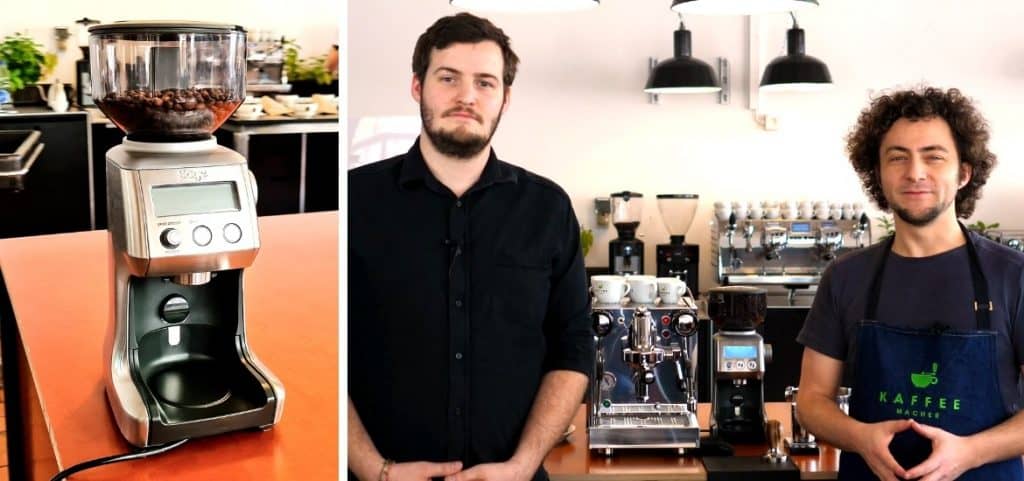

Welche Espressomühle ist am besten für Einsteiger geeignet? Einiges spricht dafür, dass sich die Sage Smart Grinder Pro genau diesen Titel verdient hat.
Die Frage nach sehr guten Einsteigermühlen treibt uns seit einiger Zeit um, auch weil uns täglich Mails und Kommentare mit genau dieser Frage erreichen. Deshalb haben wir in den letzten Jahren gezielt Einsteigermühlen in diesem Preisbereich getestet. Die Sage Smart Grinder Pro hat mittlerweile zwei Tests bei uns durchlaufen: Im April 2020 durfte ich die Mühle mit dem Vize-Baristameister Felix Hohlmann untersuchen, 2022 war sie Teil unseres großen Espressomühlen-Vergleichs von 24 Kaffeemühlen für den Heimgebrauch.
Bei beiden Testdurchläufen hat die Sage Smart Grinder Pro überzeugt. Für uns war sie eine der interessantesten Espressomühlen für den Einstieg in die Welt des Kaffees.
Wenn ihr uns bei der Anschaffung von weiterem Testmaterial unterstützen wollt, könnt ihr das tun, indem ihr die Sage Smart Grinder Pro über diesen Provisionslink bestellt.
Provisionslink: Kostet euch nicht mehr, wir freuen uns aber.
Welche Kriterien sind wichtig, um eine Espressomühle qualitativ einzuschätzen?
- Mahlt die Mühle Espresso-fein? Lässt sich der Mahlgrad so fein einstellen, dass im Siebträger genügend Widerstand aufgebaut werden kann, damit der Espresso nicht zu schnell durchläuft. (Guide: wie Espresso einstellen.)
- Ist das Mahlgut homogen? Der größte Teil des Mahlguts sollte der Zielgröße entsprechen und nicht klumpen. Viele kleinere oder größere Partikel führen zu erhöhter Säure oder Bitterkeit im Geschmack.
- Ist die Bedienung einfach? Lässt sich der Mahlgrad in Stufen oder stufenlos korrigieren, und ist ein Nachstellen des inneren Mahlwerks einfach möglich?
- Wie konstant arbeitet die Mühle? Gibt sie über mehrere Bezüge hinweg konstant die gewünschte Kaffeemenge aus, oder schwankt diese von Bezug zu Bezug?
- Totraum: Wie viel Kaffee bleibt nach einer Mahlung im Mahlwerk zurück und ist somit als „alter" Kaffee bei der nächsten Mahlung dabei?
- Erwärmung durch regelmäßige Nutzung: Erwärmen sich die Mahlscheiben und dadurch auch der Kaffee durch die Benutzung deutlich? Das kann zu Geschmacksveränderungen führen.
Diese Kriterien bilden auch die Grundlage unseres Testprotokolls für Espressomühlen.
Espresso-fein!
Ohne Weiteres lässt sich der Mahlgrad der Espressomühle so feineinstellen, dass ein guter Espresso in 25 oder 30 Sekunden gebrüht werden kann. Die Mahlgradverstellung wird über das rechts an der Mühle angebrachte Rad vorgenommen. Die digitale Anzeige gibt an, bei welchem Mahlgrad die Einstellung gerade steht. Das hilft bei der Orientierung.
 Digitalanzeige der Sage Smart Grinder Pro
Etwas verwirrend ist, dass beim Drehen der Mahlgradverstellung stufenweise Verstellungen eines Zahnrads spürbar sind, die nicht immer mit der digitalen Anzeige korrespondieren. Verstellt man zum Beispiel drei Stufen des Zahnrads, springt die digitale Anzeige mitunter nur zwei Schritte weiter. Als Konsequenz sollte man sich nicht vollkommen auf die Mahlgradanzeige verlassen, was aus unserer Sicht ohnehin nicht möglich ist. Kaffee ist ein Naturprodukt, das sich durch äußere Einflüsse verändert. Steigt zum Beispiel die Feuchtigkeit im Raum, verklumpt das Kaffeepulver stärker, und die Mühle sollte leicht nachgestellt werden.
Die Arbeit mit einer Espressomühle ist in diesem Sinne nie ein abgeschlossener Prozess. Leichte Korrekturen werden einfach von Bezug zu Bezug vorgenommen.
Die Sache mit der Konstanz der Espressomühle
Wir haben 40 Espresso-Bezüge hintereinander vorgenommen. Die Konstanz der Mühle war dabei erstaunlich. Wir hatten die Mühle auf eine Zielmenge von 18 Gramm eingestellt. Bei der Sage Smart Grinder Pro wird diese Einstellung über die Mahlzeit vorgenommen. Auf einer programmierbaren Taste haben wir eine Mahlzeit von 16 Sekunden eingestellt, herausgefunden über Ausprobieren und Abwiegen. 16 Sekunden sind verhältnismäßig lang im Vergleich zu professionellen Mühlen, aber vergleichbar mit anderen Mühlen bis 500 Euro. Gastromühlen mahlen eine Menge von rund 18 Gramm in 3 bis 6 Sekunden.
Über 40 Bezüge hinweg schwankte das Ergebnis um maximal 0,4 Gramm. Dieser Wert ist sehr gut und tatsächlich vergleichbar mit professionellen Espressomühlen. In diesem Fall spricht das eher für die Haushaltsmühle, denn wir wundern uns schon lange, dass Gastromühlen nicht präziser sind.
Die großen Schwankungen bei manchen Mühlen sind einer der Gründe, warum an Baristameisterschaften die Teilnehmerinnen und Teilnehmer jeden einzelnen Bezug mit einer Waage abwiegen.
Wie schmeckt der Espresso, und wie konstant lief er?
Über die Einstellung des Mahlgrads sind wir zügig zu einem guten Espresso gekommen. Dieser war balanciert und erfüllte alle Erwartungen, die wir an unseren Dreispitz Espresso haben. Auffällig war, dass nach einigen aufeinanderfolgenden Bezügen die Extraktionszeit immer kürzer wurde. Hatten wir bei den ersten Bezügen noch Extraktionszeiten von 29 Sekunden, lief der zehnte Espresso nur noch 22 Sekunden. Auch führten die wiederholten Bezüge zu einer deutlichen Erwärmung des Mahlguts.
Einschränkend muss man sagen, dass die Mühle für einen solchen Dauereinsatz nicht gemacht ist. Das gilt es bei der Benutzung zu beachten. Durch leichtes Nachstellen kann der Mahlgrad und damit auch die Extraktion konstant gehalten werden. Zu häufiges Mahlen in kurzer Zeit sollte dennoch vermieden werden: zu stark erwärmter Kaffee schmeckt merklich anders, und auch die Langlebigkeit der Mühle würde darunter leiden.
 Vergleich der Partikelverteilung: Die Sage Smart Grinder Pro liegt zwischen der Sette 270 Wi und der Graef auf der einen und den Mühlen mit flachen Mahlscheiben auf der anderen Seite. Alle Mühlen wurden so eingestellt, dass der Espresso in gleicher Zeit ausläuft. Mehr dazu im Testbericht der Graef CM800 und der Niche Zero.
Auch unsere 2021/22 erhobenen Daten weisen bei der Sage Smart Grinder Pro, wie auch bei der kleineren Schwester, der Sage Dose Control, ein gutes, schmales Hauptpeak auf. Je mehr Partikel in diesem Bereich ausschlagen, desto genauer ist der gewünschte Mahlgrad getroffen: Die Sage Smart Grinder Pro gehörte hier zu den besseren Mühlen im Feld der 24 getesteten Espressomühlen. Zur Einordnung von x50, Feinanteil und Peak-Breite haben wir einen eigenen Wissensartikel zur Partikelverteilung.
Das Feinpeak lag bei der Sage Smart Grinder Pro auf der höheren Seite. Geschmacklich äußerte sich das in der Textur sowie einer gewissen Bitterkeit, die den Kaffee bei unseren Verkostungen jedoch nicht dominierte.
Bedienung der Sage Smart Grinder Pro
Die Bedienung der Mühle geht leicht von der Hand. Das seitliche Rad lässt sich gut drehen, und die digitale Anzeige gibt einen Eindruck davon, bei welchem Mahlgrad man steht. Die programmierbare Mahlzeit ist konstant, acht Programmierbereiche sind möglich. Das ist mehr, als die meisten brauchen, stört aber nicht.
Wir haben zum Vergleich auch die Sage Dose Control bei uns stehen. Sie sieht baugleich aus, verzichtet aber auf die digitale Anzeige. Unser Eindruck: Gerade für Einsteiger ist die Anzeige ein praktisches Hilfsmittel.
Wie auch bei den Espressomaschinen Sage Barista Pro und Sage Express lässt sich der Mahlgrad nachjustieren, wenn die Grundeinstellung zu fein oder zu grob ist. Weil wir zu diesen beiden Geräten viele Fragen erhalten haben, haben wir dazu eine eigene Frage-Seite zusammengestellt.
Alle Mühlen haben eine Grundjustierung des Mahlgrads. Diese funktioniert für die meisten Kaffees, hell oder dunkel geröstete Kaffees können aber aus der Range herausfallen. Dann lässt sich die Grundjustierung des Mahlwerks wie im folgenden Video gezeigt ändern.
Totraum: der Mahlkaffee-Rückstand in der Mühle
Nach jeder Mahlung bleibt in fast jeder Mühle etwas Kaffeepulver zurück, in kleinen Ritzen, Schraubenöffnungen, zwischen den Mahlscheiben. Je mehr Kaffeepulver in solchen Hohlräumen bleibt, desto stärker beeinträchtigt das die nächste Espresso-Extraktion. Je regelmäßiger eine Mühle genutzt wird, desto weniger ist das ein Problem, und je länger gemahlener Kaffee in der Mühle liegt, desto mehr beeinflusst er Geschmack und Extraktion beim nächsten Bezug.
Bei der Sage Smart Grinder Pro haben wir rund 2,7 Gramm Kaffee im Totraum gewogen. Dafür haben wir das Mahlwerk auseinandergenommen und alles zusammengekehrt. Im Verhältnis zur Niche Zero, die auf lediglich 0,47 Gramm Totraum kommt, ist das viel. Verglichen mit der Graef CM800 und den dort gewogenen 8 Gramm ist es dagegen ein überschaubarer Wert. Die Graef ist preislich die eigentliche Konkurrentin der Sage Smart Grinder Pro, und diesen Vergleich entscheidet die Sage für sich.
Wir würden trotzdem immer raten: Sobald die Mühle länger als 15 Minuten steht, einfach ein paar Gramm ausmahlen. Dann ist sichergestellt, dass der nächste Espresso nicht mit altem Kaffee gebrüht wird.

Beschaffenheit
Eine Korrektur zu unserem Video: Dort erwähnen wir, dass es keinen Siebträgerhalter an der Mühle gibt. Das stimmt nicht. Es gibt sogar zwei, sodass sich der Siebträger ablegen lässt, während die Mühle hineinmahlt. Das funktioniert mit Siebträgern von 50 bis 58 Millimeter Durchmesser.
Die Mühle ist mit einer Breite von 22 cm, einer Höhe von 38 cm und einer Tiefe von 15 cm sehr kompakt. Das Gehäuse ist aus Edelstahl und Kunststoff.
Fazit
Wir hatten einen sehr guten Eindruck von der Sage Smart Grinder Pro. Über beide Testdurchläufe hinweg war sie die Espressomühle, die für diesen Preis am meisten leistete, und sie war über diese Zeit unser Einsteigertipp unter den Espressomühlen.
Seither ist im Einsteigersegment einiges passiert. Wer heute ohne Vorratsbehälter arbeiten oder etwas mehr investieren möchte, findet inzwischen auch bei Single-Dosing-Mühlen wie der Varia VS3, der DF54 oder der Eureka Manuale interessante Optionen. Einen eigenen Vergleichstest dazu bereiten wir gerade vor.
Testergebnisse: Sage Smart Grinder Pro
Seit diesem Test hat sich unser Testprotokoll deutlich weiterentwickelt: Lautstärke, Geschwindigkeit pro 10 Sekunden, Temperatur, die Aufteilung in temporären und permanenten Totraum sowie eine eigene Single-Dosing-Messung wurden 2020/22 noch nicht in der heutigen Form erhoben, diese Zeilen fehlen deshalb. Konstanz, Bedienbarkeit, Mahlgrad-Replizierbarkeit und Espressopotential sind aus dem Fließtext des Originaltests abgeleitet, nicht neu gemessen. Bewertung nach dem KM-Testprotokoll für Espressomühlen. Die Partikelverteilung fließt bewusst nicht farblich in die Bewertung ein, weil sie röstungsabhängig ist.
Wir haben unsere Testgeräte selbst gekauft. Sage hat uns dafür nicht bezahlt und keinen Einblick in diesen Text gehabt. Kauft ihr die Sage Smart Grinder Pro über unseren Provisionslink weiter oben, unterstützt ihr unsere Arbeit, ohne dass es euch mehr kostet.