

















Coffee: Everything you need to know in a nutshell
 Benjamin Hohlmann
Coffee is a fascinating beverage with a rich history and diverse variations. Here is some essential information about coffee, from its definition to its preparation and health aspects.
What is coffee?
Coffee has various meanings. It is both a luxury food item and the name of a plant genus with over 120 species. In cultivation, coffee is a fruit that is dried as a seed. For roasters, green raw coffee is the starting material that develops its aroma during the roasting process. For people, coffee can be a meeting, a ritual, an experience, or even an addiction.
Where does coffee come from and how was it discovered?
Coffee originates from the area south of the Sahara, which today includes Ethiopia and South Sudan. It originally grew in forests and was later cultivated intensively. The exact history of coffee's discovery remains shrouded in myth, but it is known that it was discovered in this region.
Distribution of the coffee plant
Coffee is grown in more than 60 countries in the so-called coffee belt around the equator. The largest producing countries are Brazil, Vietnam, Colombia, Indonesia, and Ethiopia. Coffee cultivation is highly dependent on climatic conditions, and climate change is increasingly affecting growing regions.
Difference between Arabica and Robusta
Arabica and Robusta are the most well-known types of coffee. Arabica grows in cooler climates and develops lighter and more floral aromas, while Robusta is more resistant to diseases, contains twice as much caffeine, and has a different flavor profile.
Cultivation and processing
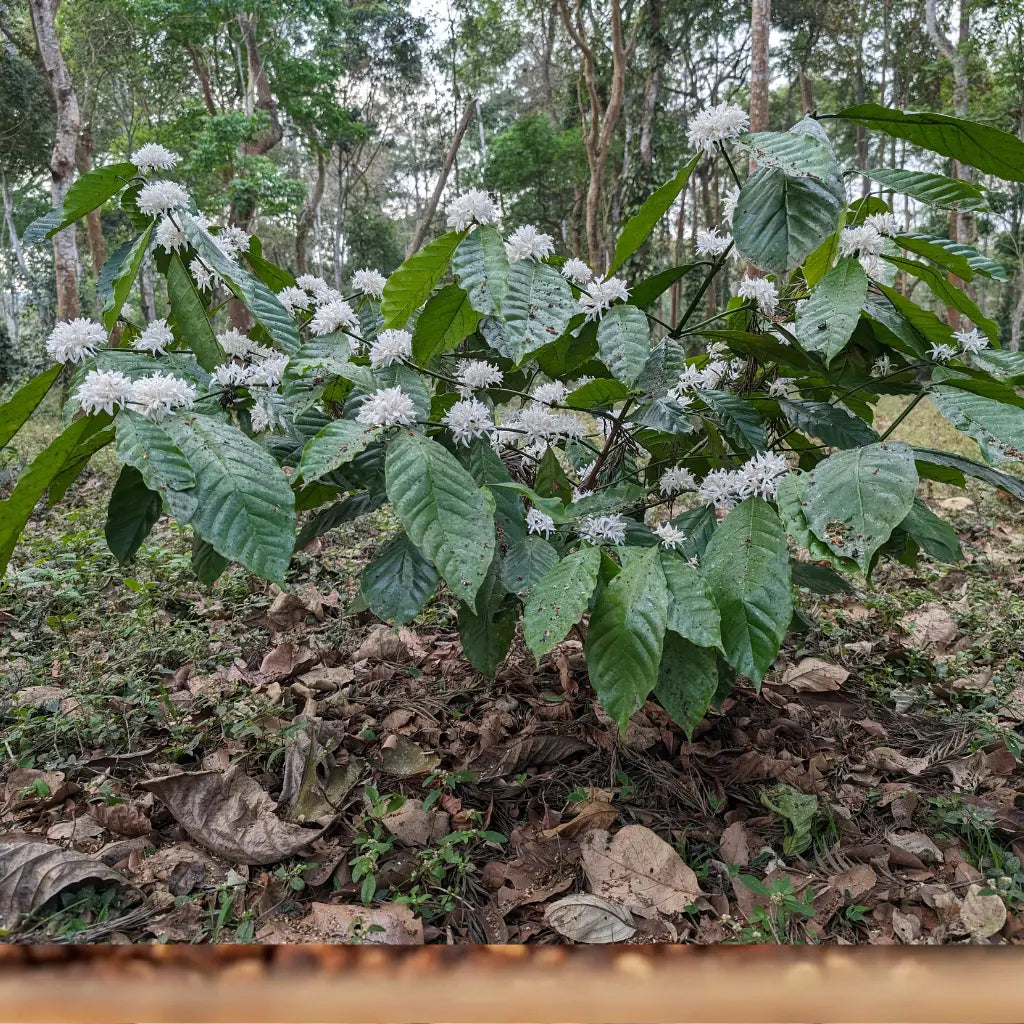
Coffee is cultivated in various farming systems, either without shade, in partial shade, or under the shade of trees. Harvesting can be mechanized or manual, depending on the growing conditions and methods. After harvesting, the coffee cherries must be processed quickly, either through dry processing or pulping.
Coffee, climate change, and sustainability
Climate change has significant impacts on coffee cultivation as climatic conditions shift. Producers face the challenge of dealing with these changes and finding sustainable cultivation methods. The taste of coffee will also change as new techniques of fermentation and different coffee varieties are utilized.
Is coffee healthy?
The health effects of coffee are a subject of debate. Moderate coffee consumption has been linked to several health benefits, such as protection against certain diseases like Parkinson's, liver diseases, and type 2 diabetes. Coffee also contains antioxidants and can improve cognitive function and mood. However, excessive coffee consumption can lead to sleep disturbances, high blood pressure, and stomach problems. Everyone reacts differently to coffee, so it is important to observe your own body and its reactions.
Preparing coffee
There are various ways to prepare coffee, including using coffee machines, espresso machines, French press, the pour-over method, and much more. Each method has its own advantages and allows for the creation of different flavor profiles. The choice of beans, grind size, and the correct water temperature are also important factors for a successful brew.
Coffee variations
Coffee can be enjoyed in many ways. There are various coffee drinks such as espresso, cappuccino, latte macchiato, Americano, flat white, and many more. Each variation has its own combination of espresso, milk, and foam, offering a unique taste experience.
Conclusion
Coffee is a fascinating beverage with a rich history and diversity. From its discovery to its preparation, there are many interesting aspects to explore. Enjoy coffee in moderation and find out which preparation method and coffee variety suit your taste best. Feel free to try different coffee variations and enjoy the wonderful world of coffee.
You can find more background information on the topic of coffee in Philipp's detailed blog post on our Swiss website.