





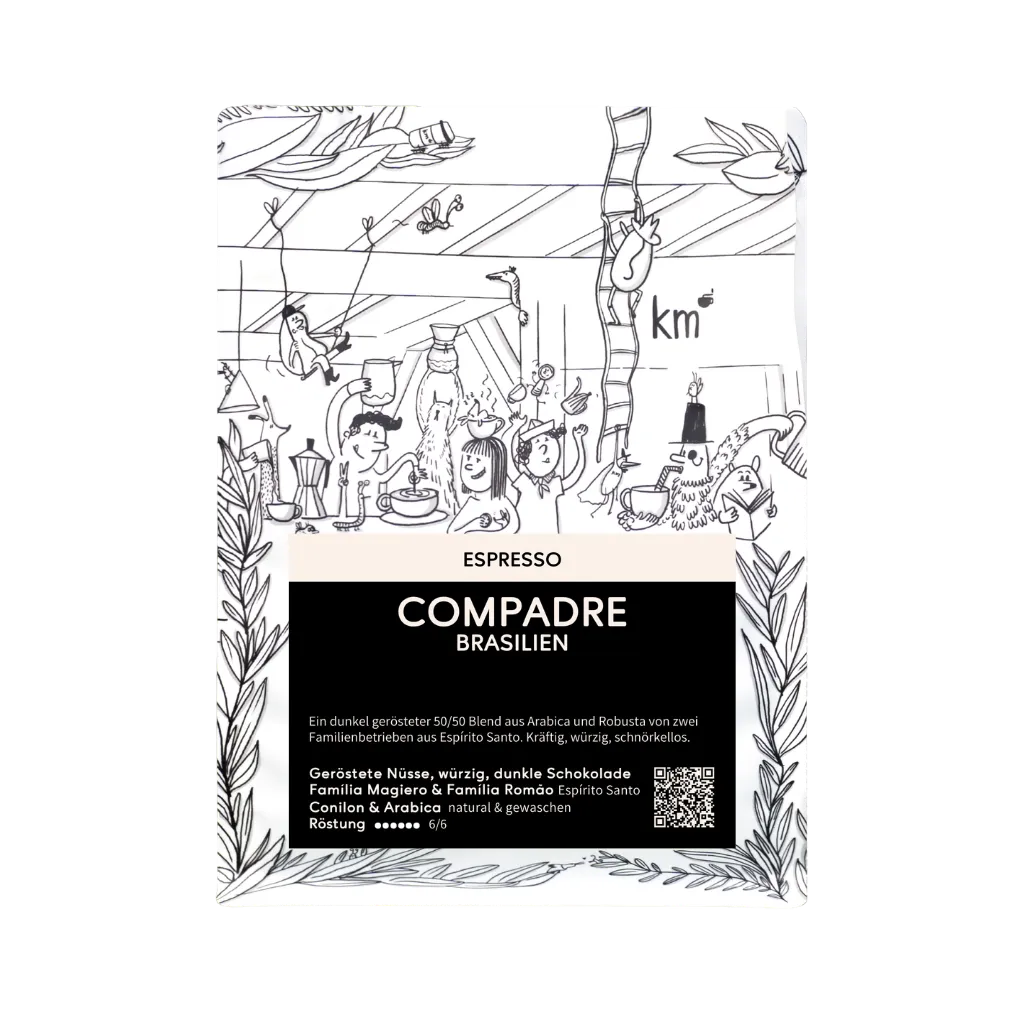

Compadre, Italian espresso


Compadre - Coffee Info
| Taste | Roasted nuts, spicy, dark chocolate |
| Origin of the beans |
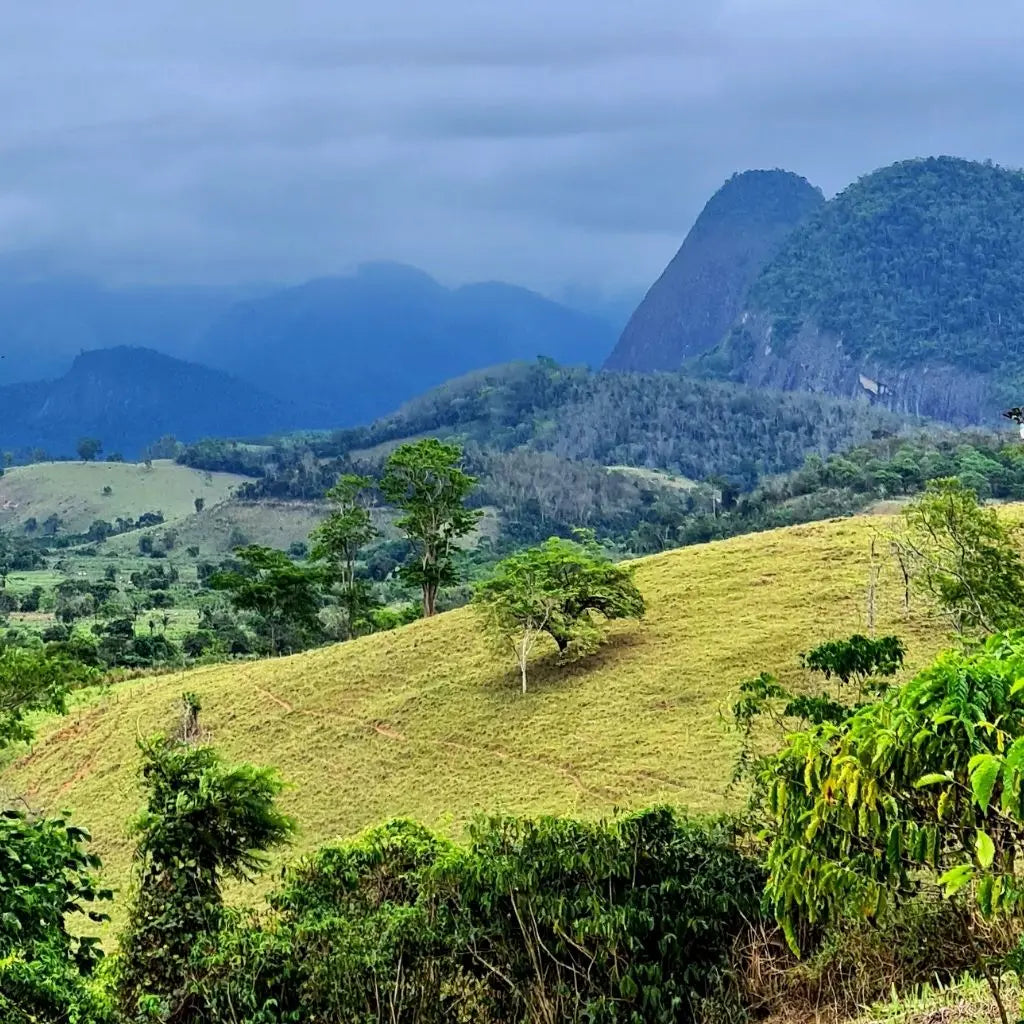
Both farms are located in Espírito Santo, Brazil: Arabica: Sitio Bela Vista, Castelo Conilon (Robusta): Água Boa, São Mateus |
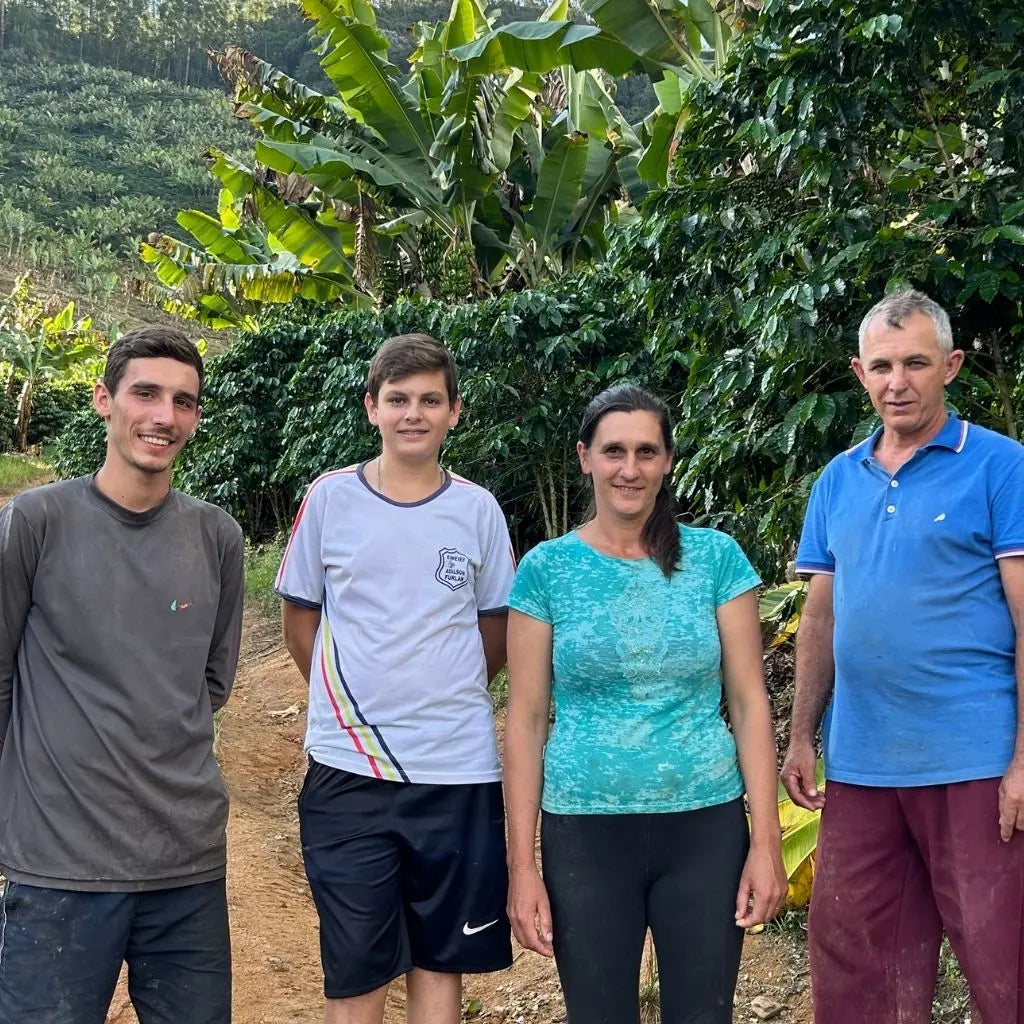
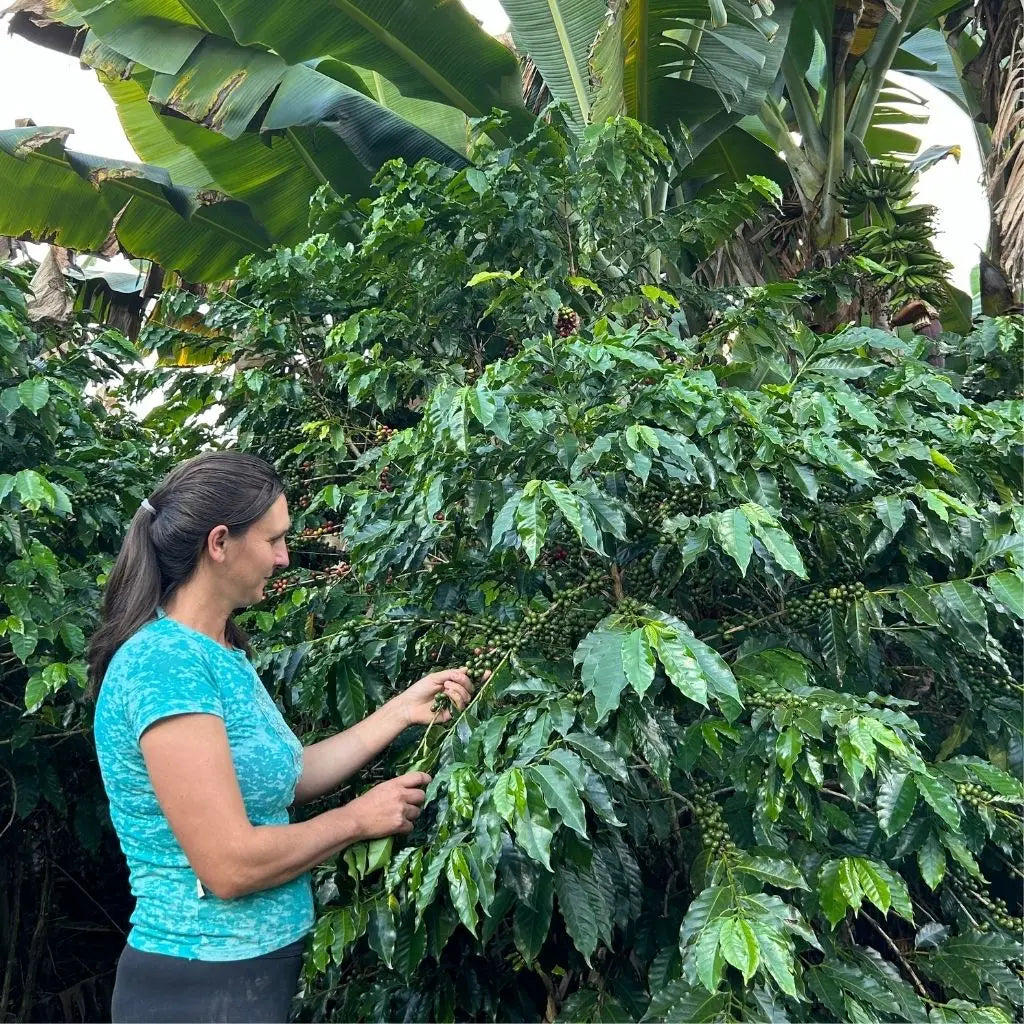
| Family farms: | Família Magiero, Conilon & Família Romão, Arabica |
| Varieties | Conilon (Robusta) & Catuaí 81, Catucaí 785 |
| Post-harvest process | both pulped natural - depulped and dried in the mucilage |
| All our coffees are sold as whole beans. | |
How we would prepare the Compadre

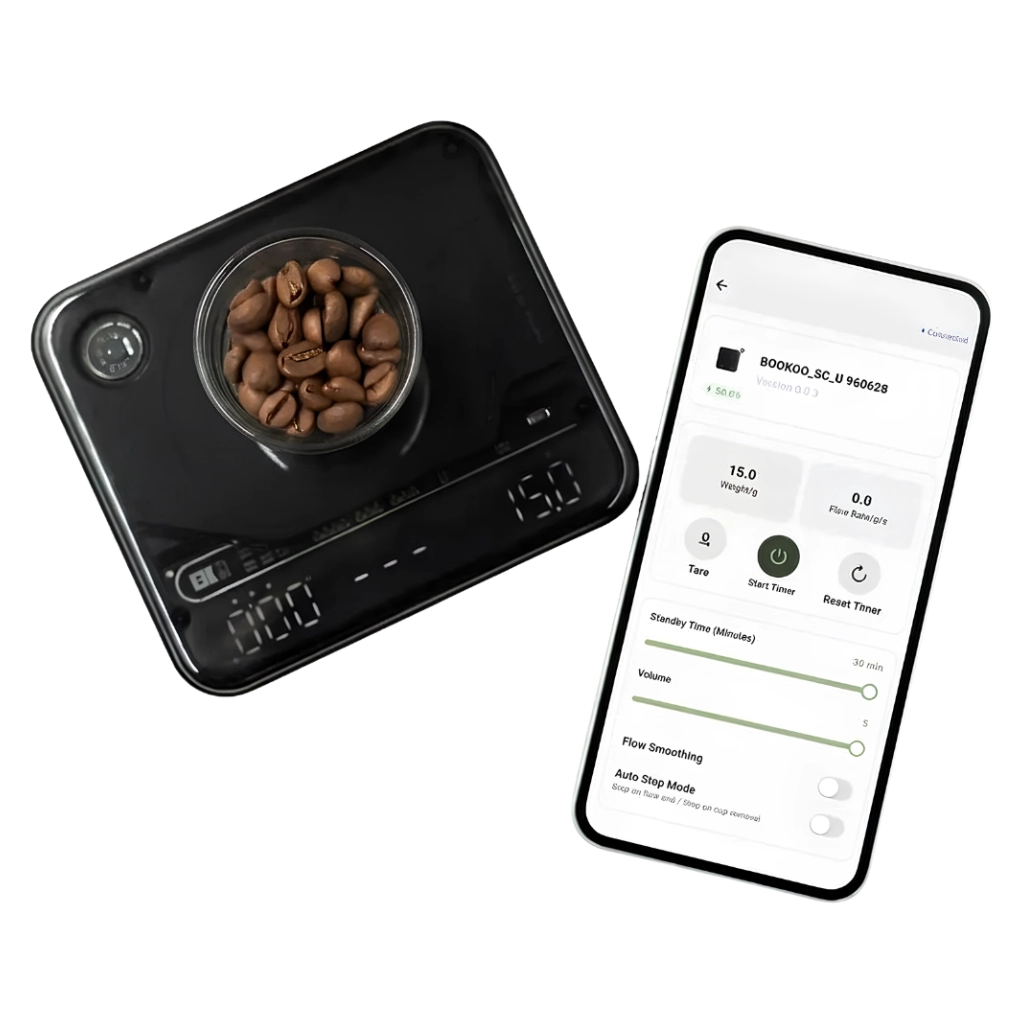
For a classic 9-bar profile, we work with a brew ratio of 1:1.8 to 1:2 in at least 25 seconds. If you are aiming for high flavor intensity and a heavy body, extract the coffee for a shorter time, i.e., towards 1:1.8. If you want to balance the coffee a bit more and highlight some caramel notes, you can aim for 1:2.
We developed and optimized this recipe using the following equipment:
Water: Total hardness 5 °dH, alkalinity 3 °dH
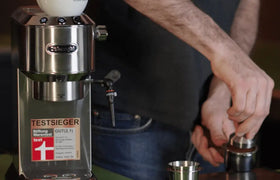
Machine: Maro Model 1
Grinder: Eureka Single Dose Pro
Our interpretation of an Italian espresso
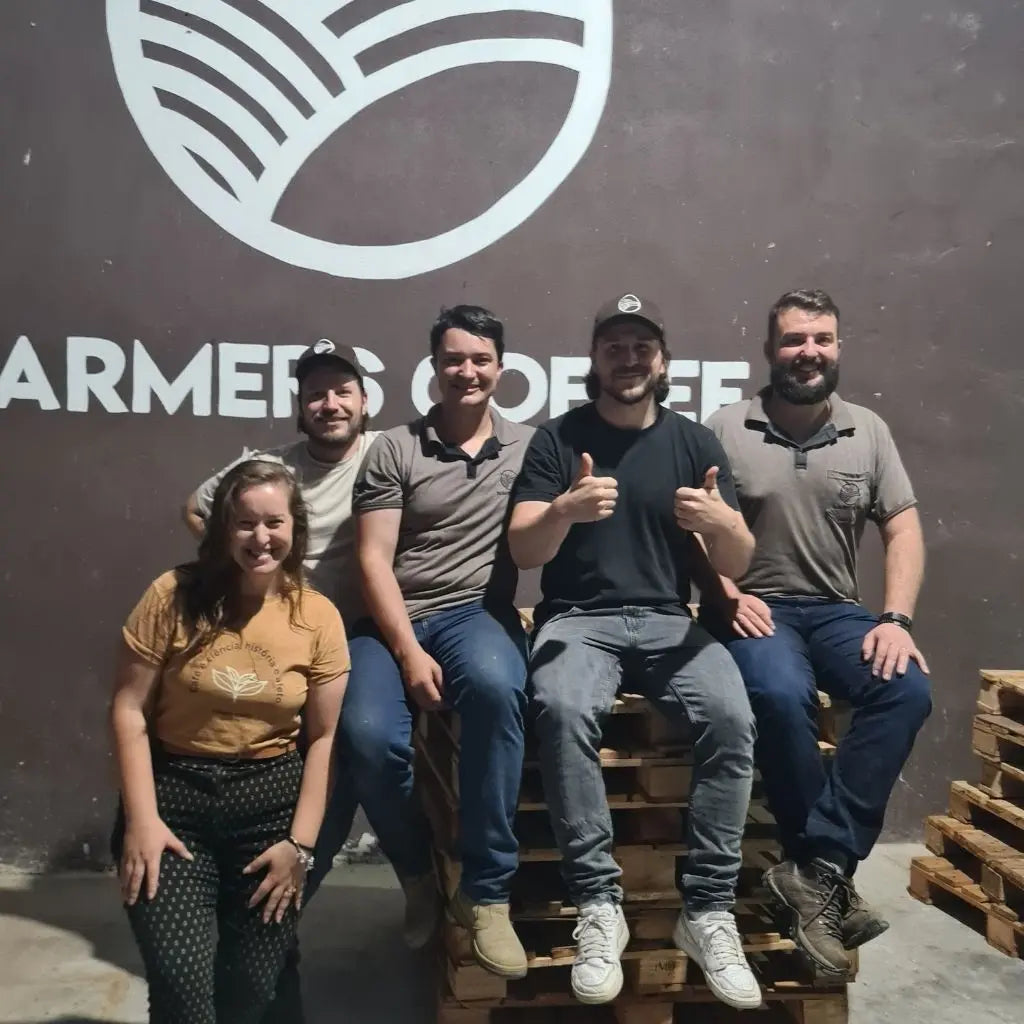
"Italian espresso" is often understood as short, strong, and roasty. In our tests, we found that there is no single "Italian espresso": the roasts and composition of the blends were too varied. With our interpretation, we bring together things that are important to us: transparently traded specialty coffees, purchased through our partners at Farmers Coffee in Espírito Santo, produced by family farms. Dark roasted with a focus on body and strong notes.
Why does the Compadre taste the way it does?
The 50% Conilon-Robusta gives the Compadre a heavy body and strong, spicy, dark chocolate notes. The 50% Arabica from the mountains of Castelo balances the Compadre. Nutty notes and a soft texture bring harmony to the cup. We don't roast any other coffee as dark as the Compadre, emphasizing its classic character.
Tell me more about the Compadre Espresso
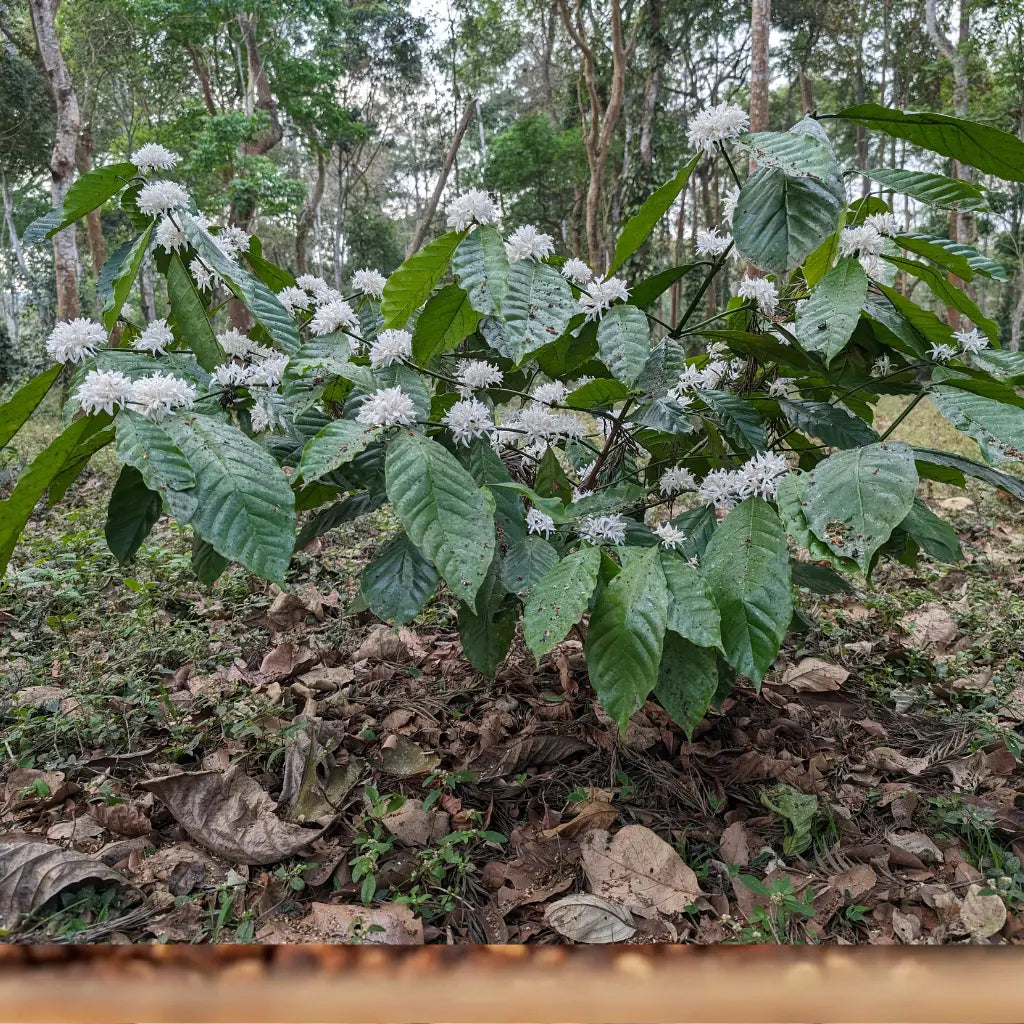
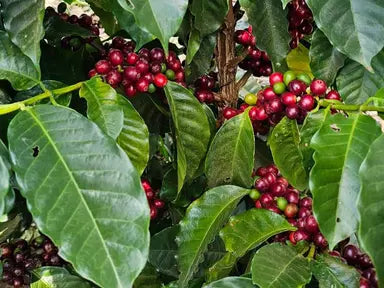
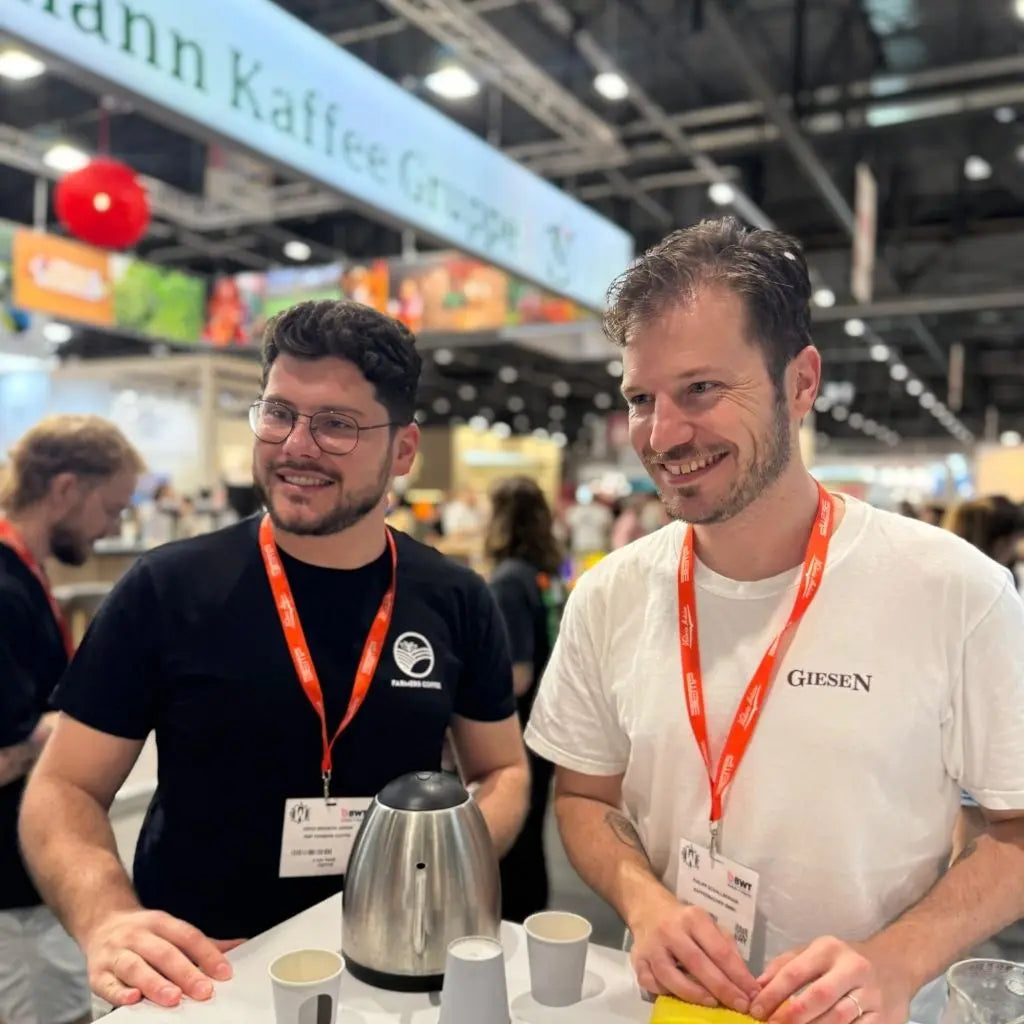
Together with Farmers Coffee, we visited Arabica farms at 1,200 meters and Conilon farms at 80 meters above sea level in Espírito Santo. The topography is impressive, and so is the history. Espírito Santo has a history heavily shaped by immigration. Many Italian families immigrated at the end of the 19th century, worked in coffee production, and gradually took over coffee farms. The two families contributing their coffee to the Compadre also have Italian roots: the Romãos produce their pulped natural Arabica in the mountainous region around Castelo, while the Magieros produce their pulped natural Conilon in the plains of São Mateus in northern Espírito Santo. If you like, a very large, historical circle closes here: the coffee from two families with Italian roots now lands in an espresso based on the Italian model.
How do we roast this coffee?
We opted for a medium-long and hot roast. We roast the Henrique or Apas espresso for slightly longer, but with the Compadre, we reach the highest end temperature on our roaster. With this high end temperature, we emphasize the roastier, stronger notes. We end the roast just before the second crack.
Import coffee details into Beanconqueror:
 Legal guarantee rights


Guaranteed origin
We know exactly where our coffee comes from and when and where it was roasted.

Personal advice
We are here to help you with any questions or problems.

Fast shipping
Delivery from Germany or Switzerland

Free shipping in DE from €75