











Viele folgen uns auf den sozialen Medien und lesen unsere Blogs. Andere trinken bei uns Kaffee im Café frühling oder im Kaffeemacher Café am Bahnhof Basel, kommen zu Kursen nach Basel oder Dinslaken, oder bestellen sich unseren Kaffee nach Hause. Wir schaffen verschiedene Berührungspunkte, arbeiten aber aus der gleichen Grundmotivation hinaus, mit der wir unser Unternehmen vorantreiben:
Sustainability and fairness are processes and not finite states.
Nachhaltigkeit bei den Kaffeemacher:innen
Die erste Version von diesem Text über das, was wir unter Nachhaltigkeit verstehen, stammte aus 2019. Es war an der Zeit, ihn zu überarbeiten. Und auch diese zweite Version wird nicht für ewig hier stehen. Wir lernen stets dazu und lassen das Wissen in unser Handeln einfließen, sodass wir heute ein immer facettenreicheres Bild von Themen entwickelt haben, die unser Denken prägen. Auch im Laufe der
nächsten Jahre werden wir unsere Ansätze verfeinern, unser Handeln immer wieder spiegeln und bleiben so im Prozess. Im Folgenden gehen wir auf verschiedene Themenfelder ein, wie wir Nachhaltigkeit bei den Kaffeemacher:innen verstehen, leben und pflegen.

„Wir wollen guten Kaffee für alle zugänglich machen, unser Wissen über die Kaffeewelt teilen und neue Impulse geben, um die Branche voranzutreiben.“
Nachhaltiges Unternehmertum
Unsere Arbeit und unser Anspruch sind im Kern nachhaltig angelegt. Denn wir verstehen unser Schaffen als langfristig, sozial im Kern und haben diesen Anspruch und dieses Ziel auch in den Statuten der GmbH und sogar im Handelsregister verbrieft.
Wir haben uns einer verbindenden und kooperativen Tätigkeit entlang der Kaffeekette verschrieben. Vom Anbau bis in die Tasse fördern wir Wissensaustausch, Transparenz und den Ausgleich entlang der Kaffeewertschöpfung.
Dabei verstehen wir uns als lernendes Unternehmen, welches das gelernte Wissen mit dem Markt teilt. Konkrete Beispiele sind unsere Schulungen für Gastronom:innen, für Röstereien oder Baristas sowie unsere Artikel und Videos. Wir führen eine Kaffeefarm, Cafés und eine Rösterei und sind dadurch mit den realen Herausforderungen der Kaffeebranche konfrontiert. So ist unsere Perspektive mit praktischen Erfahrungen geprägt und der Motor für unsere Arbeit sowie die Erfahrungsgrundlage für unsere Handlungsentscheidungen und Empfehlungen.
Sinn- und Zweckorientiert
Wir sind ein Sinn- und Zweckorientiertes Unternehmen. Das bedeutet, dass für uns ein Ziel im Zentrum unserer Tätigkeit steht und nicht das Erwirtschaften von Gewinn. Wir verstehen Gewinn als Voraussetzung, um die Unternehmensziele zu erreichen. Aus diesem Grunde werden Gewinne in unserem Unternehmen auch nicht entnommen, sondern verbleiben in der Unternehmung und werden in den Zweckbetrieb investiert. Purpose ist für uns kein Modewort, sondern widerspiegelt Grundmotivation und Leitimpuls für unsere Gründung.
Das Team als Motor
Employees shape and develop Kaffeemacher:innen from within with their ideas and visions. Our philosophy resonates and attracts like-minded individuals, and we support team members in realizing their potential and implementing their ideas. Our company philosophy allows for mistakes and sees them as an opportunity for growth. Our collaboration is based on trust, enabling everyone to find their path and further develop within it.
Customers and Partner Companies as Part of the Community
Our customers are not just consumers of our products; they are also part of our coffee community. Primarily through our presence on various social media platforms and by sharing knowledge about coffee, we have steadily increased our brand awareness. We provide updates on current developments in the coffee market through live discussions, offer articles on coffee-specific topics, and invite our customers to live Q&A sessions.
Fellow companies are often partners and are valued as such. Whether it's sourcing green coffee or promoting and supporting coffee farmers when it comes to new equipment – together, we are stronger and can achieve more. Our goal is to find synergies and build a strong network.

Gesellschaftliche Verantwortung
Durch unsere Größe und den Bekanntheitsgrad wächst auch unsere gesellschaftliche Verantwortung außerhalb der Kaffee-Lieferkette. Dessen sind wir uns bewusst, und als noch junges Unternehmen sehen wir diesbezüglich Entwicklungsmöglichkeiten und möchten künftig Allianzen über den Kaffee hinaus knüpfen.
Bezüglich der ökologischen Auswirkungen unseres Unternehmens und seiner Produkte sind wir im Prozess, Zahlen und Fakten zu generieren. Laufend stoßen wir bereits jetzt Projekte zum Thema Abfallvermeidung und -verwertung an, investieren in Forschung auf diesem Gebiet und suchen im Bereich Verpackung und Zubehör ständig nach nachhaltigeren Alternativen.
Nachhaltige Rohkaffeebeschaffung
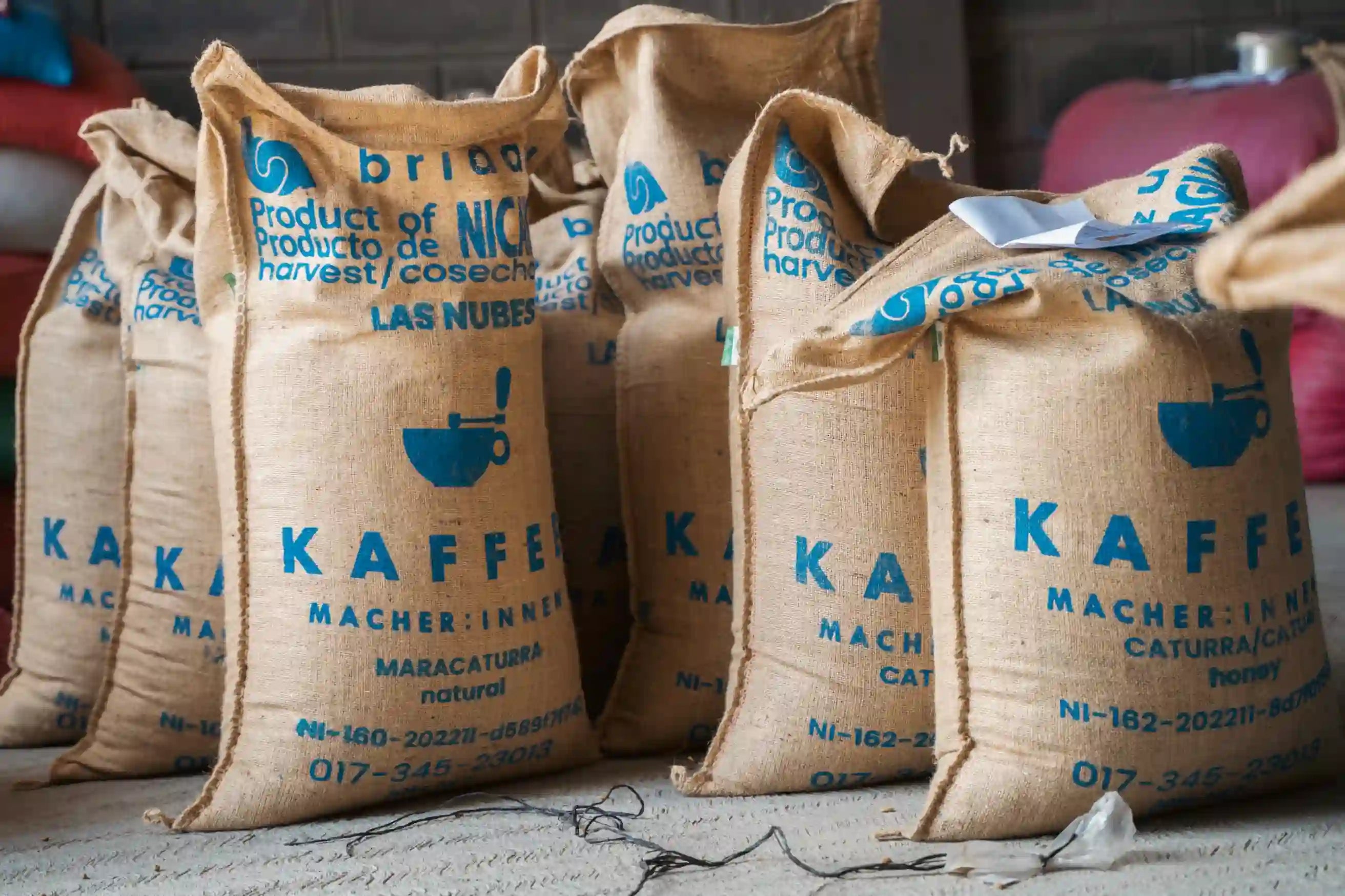
Als Kaffeeunternehmen mit eigener Rösterei sind wir uns über unsere Funktion als Scharnier auf der Kaffeekette bewusst. Wir haben die Auswahl aus Millionen von Rohkaffees, kaufen aber pro Jahr etwa “nur” ca. 25 verschiedene Rohkaffees ein.
Wir setzen dabei die Auswahl mit Verantwortung gleich - da wir viel mehr Auswahl an verschiedenen Rohkaffees haben als unsere Kundschaft an Röstkaffee, sind wir in der Position eines Türöffners und haben mit unseren Entscheidungen einen großen Einfluss auf die Realitäten im Kaffee-Ursprungsland. Das ist eine schöne Aufgabe, die uns motiviert.
Denn in dieser Verantwortung stecken unheimlich viele Möglichkeiten, die Kaffeekette Schritt für Schritt nachhaltiger zu gestalten. Mit der Hinwendung zum Ursprung, wo Kaffee herkommt, im Dialog mit Produzierenden und regelmässigen Reisen in Kaffeeländer wurde uns bewusst, wie gross der Hebel ist, den wir mittlerweile mit dem Einkauf an Rohkaffee haben. Wir kaufen Rohkaffee ein mit Bedacht. Denn der Einschluss von bestimmten Produzierenden ist der Ausschluss von anderen. Deswegen arbeiten wir im Rohkaffeeeinkauf mit Partner:innen, die unsere Philosophien teilen.
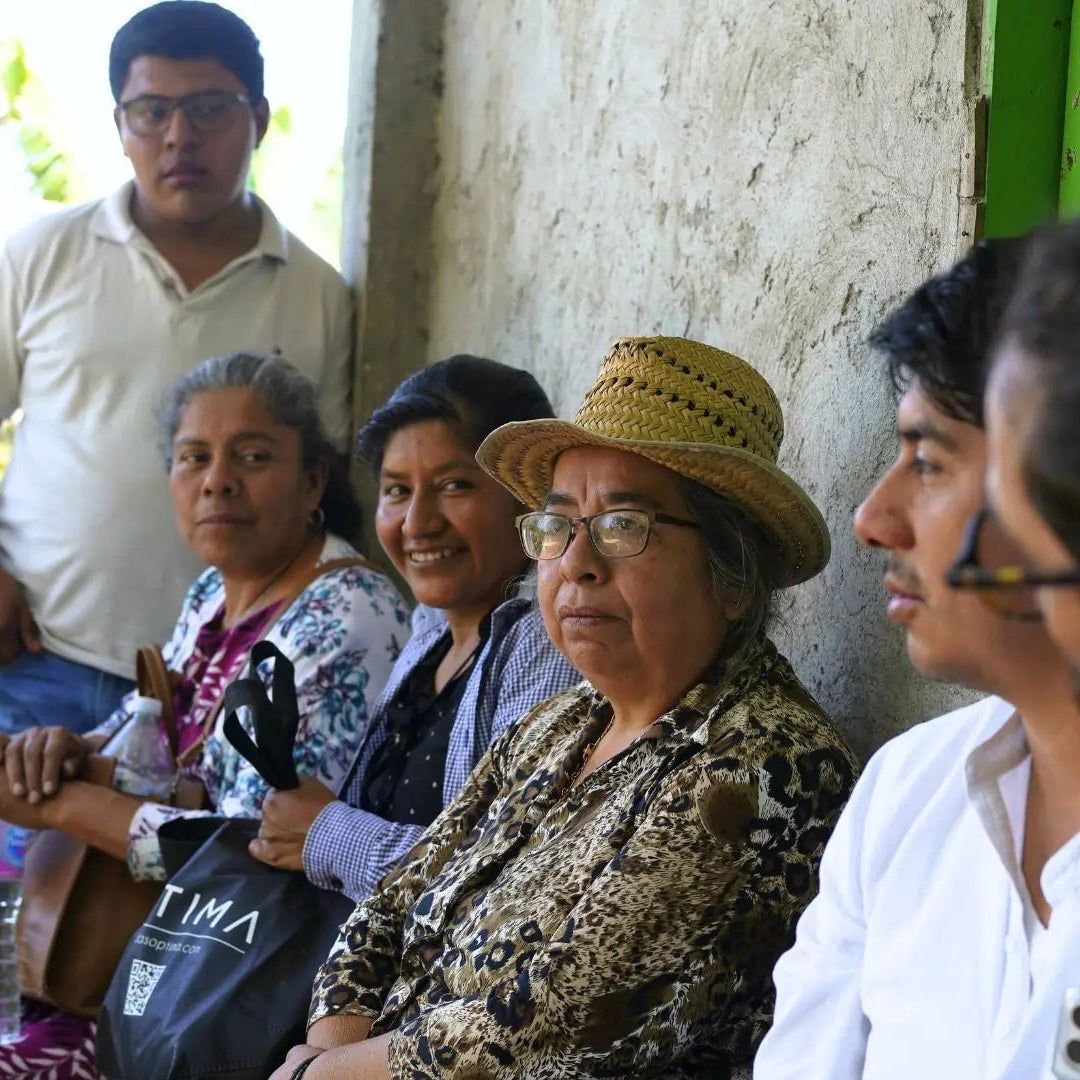
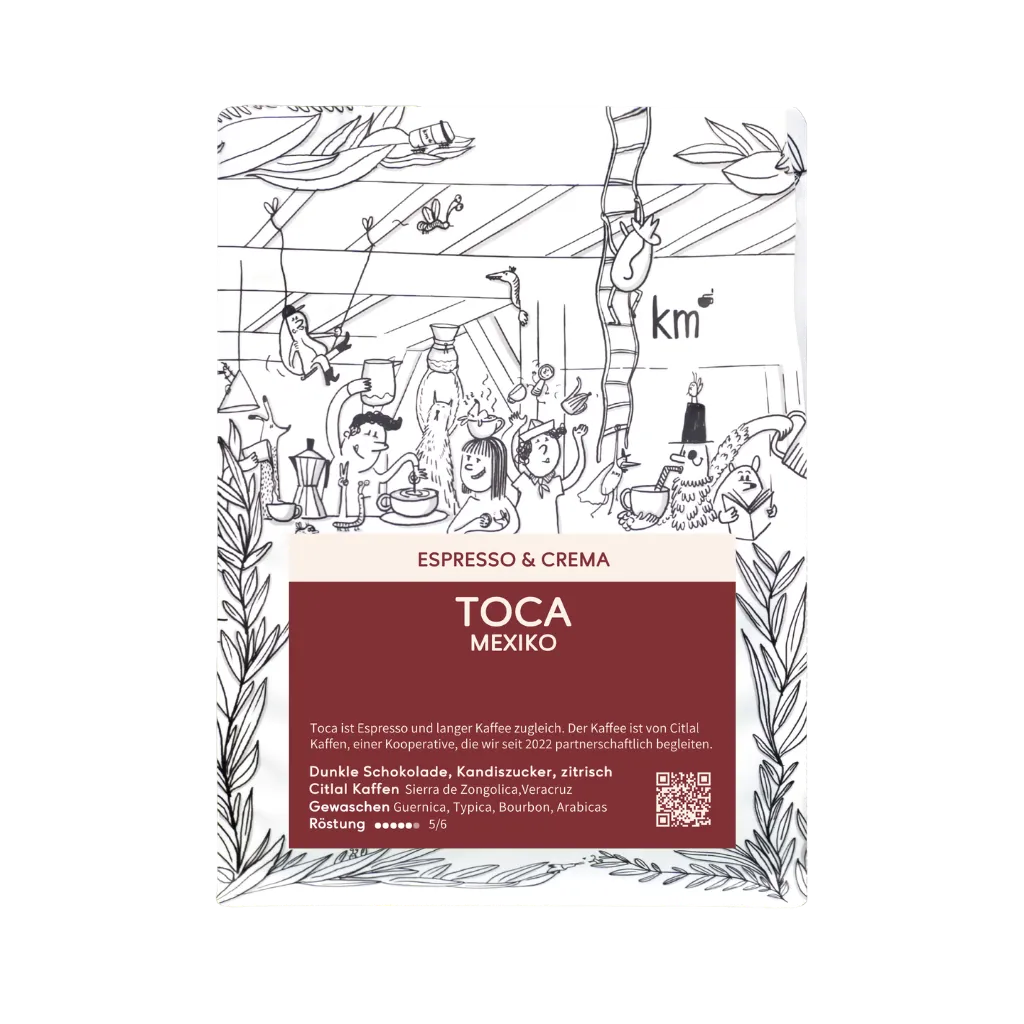
Toca, Mexico
Since 2022, through the Toca project in the Sierra de Zongolica, we have been supporting a young organic cooperative on its path to self-determination. In 2024, the producers made great strides: they built a micro-beneficio, now process their coffee cherries centrally, and are continuously improving quality. Through a co-investment, we transformed from buyers to partners – the potential is huge, sustainable change is possible.
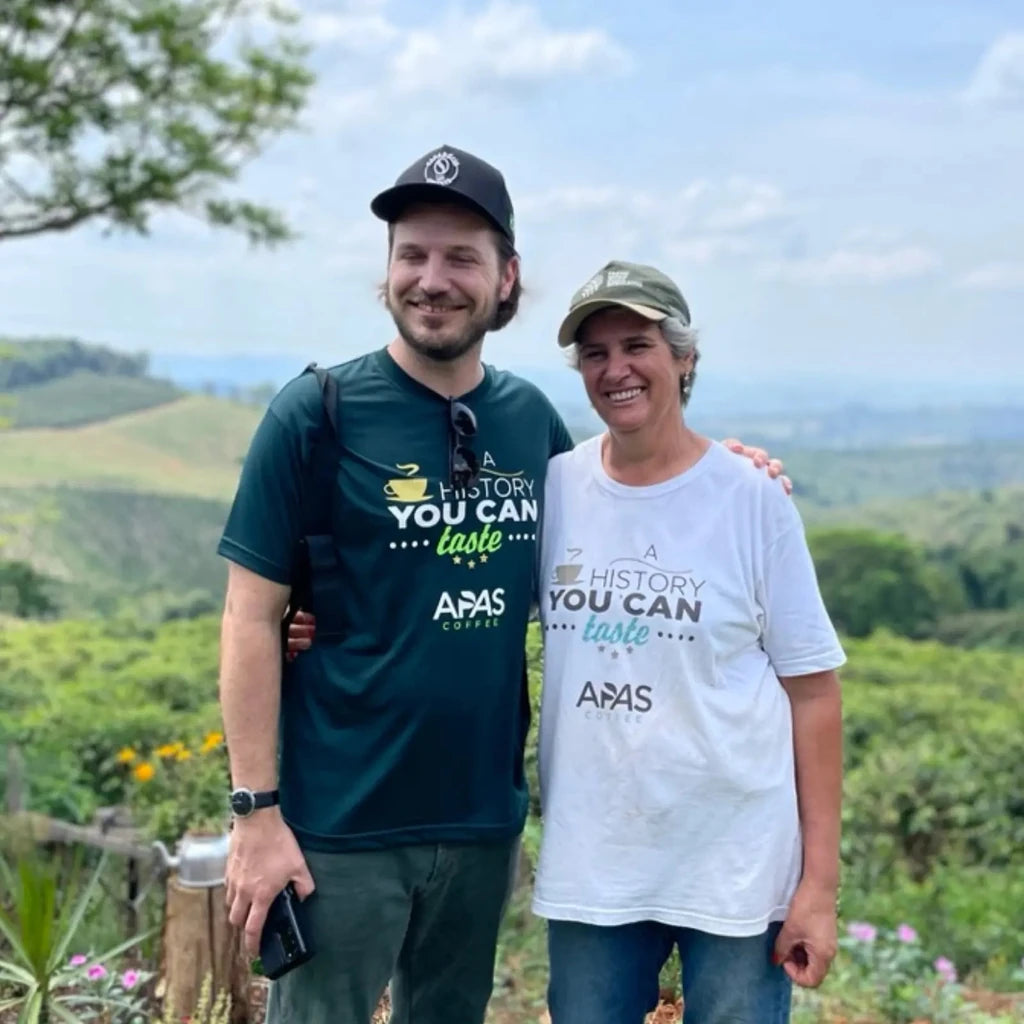
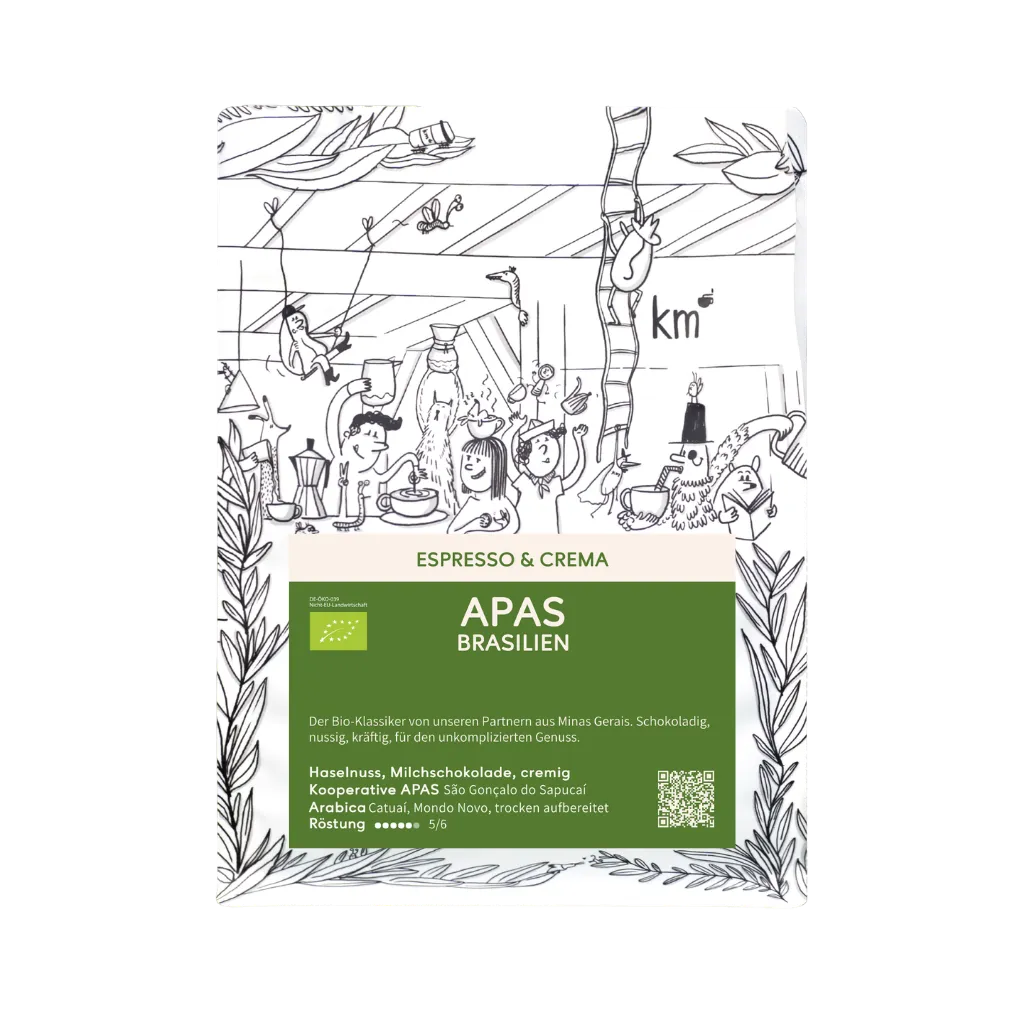
Apas, Brazil
Brazil is the world's largest coffee producer. However, less than 0.5% of the total production is organically grown. The Brazilian approach to coffee production is focused on high yields on a small area. Anyone switching to organic farming in Brazil must change not only their methods but, above all, their understanding of agriculture. Apas has done this, and we have accompanied them on their journey.
Be a partner, provide impetus and initiate change
Als Kaffeeunternehmen, das Rohkaffee einkauft und Röstkaffee verkauft, machen wir einen großen Spagat: einerseits sind wir tief in der kleinbäuerlichen, subtropischen Landwirtschaft verwurzelt, andererseits befassen wir uns mit der präzisen Positionierung von Röstkaffees im Endkonsumenten-Markt.
An diesen Enden, und auf allen Etappen dazwischen, können wir Impulse geben und Wandel herbeiführen.

Mit der Apas-Kooperative in Brasilien sind wir 2022 auf die biologische Kaffeeproduktion umgestiegen und kaufen fast ihre gesamte Bio-Ernte auf.
Im Toca‑Projekt in Mexiko führen wir eine indigene Community zur biologischen Kaffeeproduktion und bringen einen direkten Marktzugang in eine stark marginalisierte Region.
Ebenfalls in Mexiko haben wir mit der Rancho San Felipe den wohl lokalsten entkoffeinierten Kaffee aufgesetzt – in einem Radius von 80 km wird der Kaffee angebaut, verarbeitet, chemiefrei entkoffeiniert und verschifft.
Mit Macenta Beans in Guinea haben wir Partner gefunden, die Robusta zu Spezialitätenkaffee machen und dabei den Regenwald schützen.
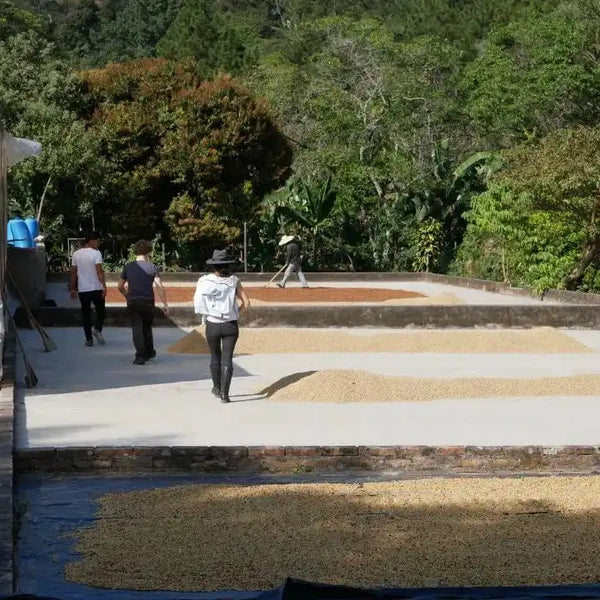
Und auf unserer Farm in Nicaragua experimentieren wir mit verschiedenen Nachernteprozessen, Varietäten und Schattenbäumen, um möglichst autark von äußeren Einflüssen Kaffee produzieren zu können.
A fair price for coffee producers
Ever since we started buying green coffee as a roastery, we wanted to understand what a fair price for coffee producers is. Thus began our intensive years of learning. We conducted interviews, wrote articles, and made podcasts about production costs, FOB, ex-farmgate prices, Fairtrade, and direct trade. Each of these concepts helped us sharpen our perspective while also asking the question: what if we don't determine the price at all?
You are empowered entrepreneurs at eye level, so why shouldn't those who are responsible for a product be the ones to set the prices?
To achieve this actually self-evident way of doing business, transparency in the supply chain, direct contacts, and partners who all pull together are required. Today, we only work with green coffee suppliers who share our ideals and have internalized transparent practices.
The prices of our green coffees are either set by the producers themselves, or we, together with our import partners, offer prices that are significantly above local markets and include premiums for efforts towards ecological production.
There is no single fair and just coffee price – these are contextual and vary seasonally. Depending on weather patterns, foreign exchange rates, inflation, and economic shocks with global impact, we renegotiate prices with our partners year after year. The fluctuations are generally not very large but reflect realities. Two examples:
Eine ökologischere Landwirtschaft
A crucial pillar of this way of working is a clear focus on soil health. The healthier the soil, the more resilient the coffee plant. We support agricultural approaches that employ regenerative practices and understand coffee production holistically. This also includes the self-production of fertilizer, which makes producers more independent of market fluctuations.
We learn when we discuss soil erosion and fertilizer with FiBl, when agricultural advisors explain different types of compost to us, when scientists recommend agroforestry systems, and when sustainability consultants from large companies describe their strategies for adapting coffee farms to climate change.
The solutions are complex and contextually varied. Neither a single certification nor a single form of agriculture can endure in an unpredictable and rapidly changing climate. Mixed approaches and flexibility are required, which necessitates openness and curiosity, and we aim to commit ourselves to these two virtues.
Ecological footprint and environmental impact points
Coffee companies, by definition, operate globally along the coffee supply chain.
This is inherent to the business, as coffee is grown in the southern hemisphere, shipped here, roasted, and distributed. The coffee bean not only connects distant worlds in terms of content but also travels astonishing distances.
The ecological footprint of coffee is not without controversy – depending on the cultivation method, logistics efficiency, roasting method, preparation method, and last but not least, the decision of whether, how much, and what type of milk is added to a coffee, coffee can range from climate-neutral to climate-damaging.
There are worlds between these extremes, and analyzing, calculating, understanding, and deriving courses of action from this requires patience and energy, which should be invested in this analysis.
Since 2022, we have been working on calculators ourselves to determine our ecological footprint; on the coffee farm, in the roastery, and in the gastronomy sector. We collaborate with consulting firms that verify our calculations, giving us confidence that our figures are accurate.
We do not aim to calculate individual products, business units, or the entire company and then offset our emissions.
We calculate so that we can understand where we can initiate which reduction pathways, and where we need to activate which levers, so that we not only emit less but also bring about positive change and, ideally, achieve a carbon sink effect.
With the switch from conventional to organic coffee production at the Apas cooperative, we likely changed CO₂ emissions at Apas by a single-digit percentage. In our internal calculations, it is even in the higher double-digit range.
By establishing the new decaf supply chain within the smallest radius in Mexico, we were able to save more than 18,000 nautical miles in logistics compared to our previous decaffeinated coffee.
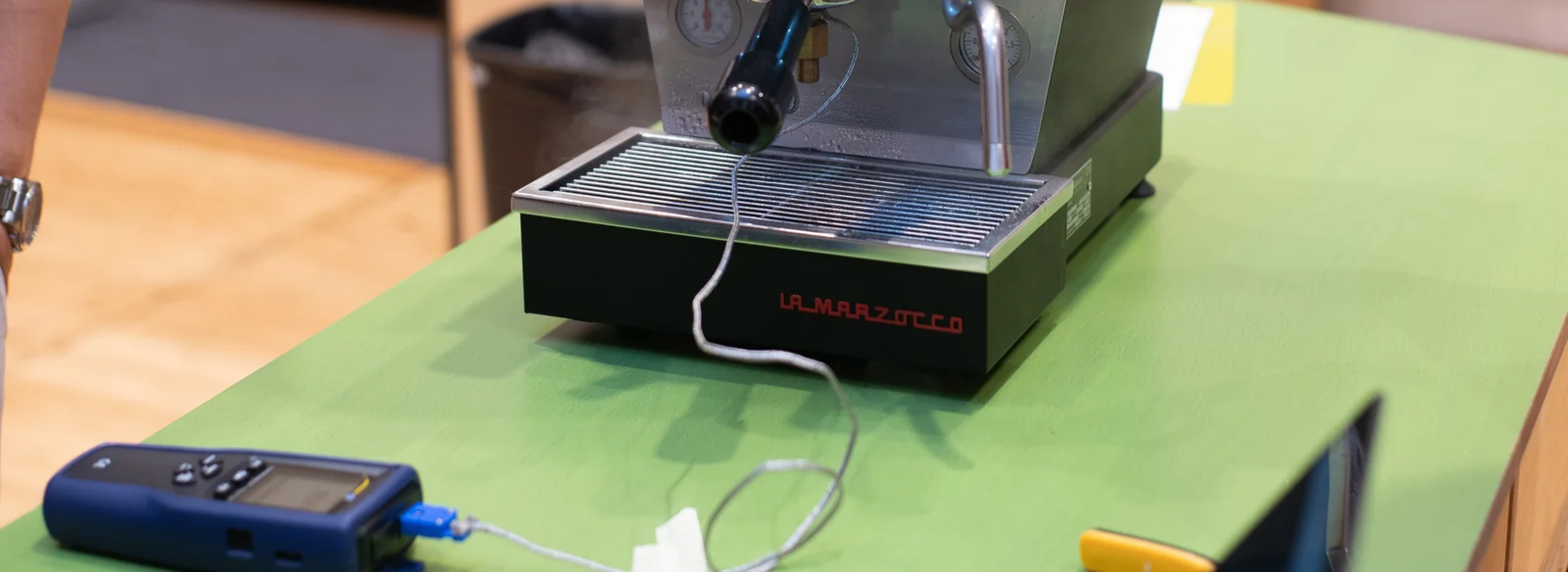
Through precise energy consumption measurements on espresso machines, we can provide increasingly better recommendations on which devices perform as climate-friendly as possible and which anachronistically chase the pure focus on 1960s espresso machine aesthetics.
Coffee companies, by definition, operate globally along the coffee supply chain.
This is inherent to the business, as coffee is grown in the southern hemisphere, shipped here, roasted, and distributed. The coffee bean not only connects distant worlds in terms of content but also travels astonishing distances.
The ecological footprint of coffee is not without controversy – depending on the cultivation method, logistics efficiency, roasting method, preparation method, and last but not least, the decision of whether, how much, and what type of milk is added to a coffee, coffee can range from climate-neutral to climate-damaging.
There are worlds between these extremes, and analyzing, calculating, understanding, and deriving courses of action from this requires patience and energy, which should be invested in this analysis.
Since 2022, we have been working on calculators ourselves to determine our ecological footprint; on the coffee farm, in the roastery, and in the gastronomy sector. We collaborate with consulting firms that verify our calculations, giving us confidence that our figures are accurate.
We do not aim to calculate individual products, business units, or the entire company and then offset our emissions.
We calculate so that we can understand where we can initiate which reduction pathways, and where we need to activate which levers, so that we not only emit less but also bring about positive change and, ideally, achieve a carbon sink effect.
With the switch from conventional to organic coffee production at the Apas cooperative, we likely changed CO₂ emissions at Apas by a single-digit percentage. In our internal calculations, it is even in the higher double-digit range.
By establishing the new decaf supply chain within the smallest radius in Mexico, we were able to save more than 18,000 nautical miles in logistics compared to our previous decaffeinated coffee.
Through precise energy consumption measurements on espresso machines, we can provide increasingly better recommendations on which devices perform as climate-friendly as possible and which anachronistically chase the pure focus on 1960s espresso machine aesthetics.
New tasks through self-review
Durch die uns selbst auferlegte und immer dichter werdende Überprüfung unseres Tuns auf der ganzen Kaffeekette, lernen wir nicht nur stets neue blinde Flecken kennen, sondern geben uns so immer neue Aufgaben, wie wir Bestehendes besser machen können.
Wie kommen wir zur ökologischsten Kaffeeverpackung?
Welches Holz macht unseren Tamper Co2-positiv?
Welche Baristatücher schonen das Wasser vor Mikroplastik?
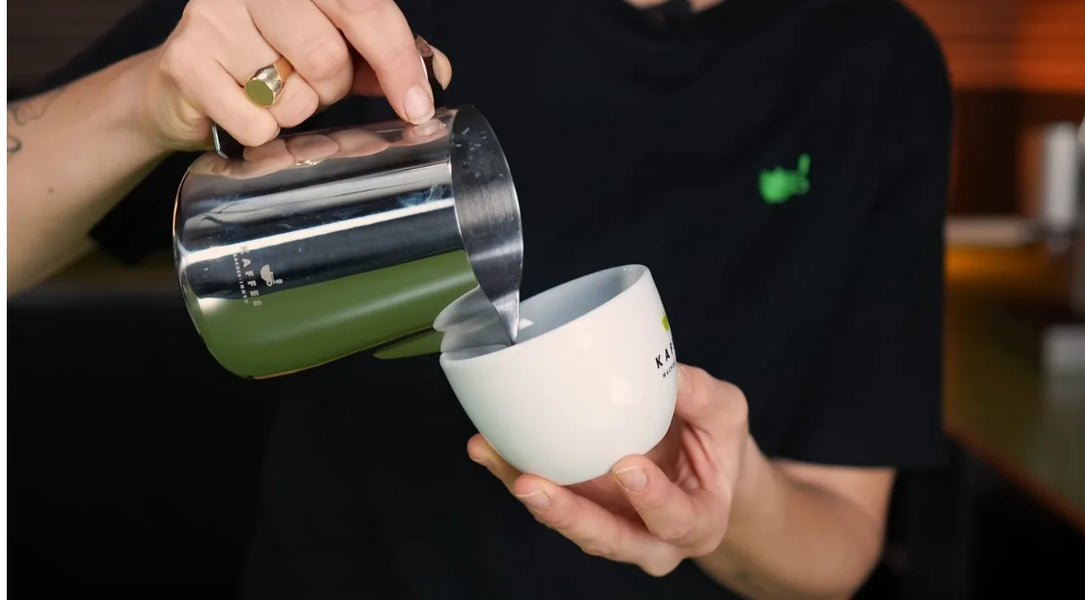
Welche Art der Milch hat den kürzesten Lieferweg und den tiefsten Fußabdruck?
Diese eigene Überprüfung empfinden wir nicht als Last, sondern gewinnen neue Lust, das Unternehmen weiterhin zu entwickeln, neue Chancen zu sehen, zu nutzen und so unsere aller Zukunft mitgestalten zu können.
Diese neuen Aufgaben können wir nicht alleine bewältigen und werden deswegen noch mehr auf Partnerschaften und Allianzen setzen, um komplexe Projekte zu stemmen und übergeordnete Ziele erreichen zu können.
Nachhaltigkeit in der Gastronomie
As coffee makers, we operate two cafés in Basel. Our goal is to create places and spaces that convey our love for coffee and invite people to relax and linger. Our two concepts, Café frühling in Kleinbasel and Café auf der Passerelle at Basel SBB train station, are both places where we can communicate our standards for coffee and food.
Since the beginning, we have maintained a close relationship with our suppliers, focusing on regionality, organic products, and preferably sourcing products from small businesses or producers. For example, our baked goods come from Vital Speisehaus Bio Bäckerei in Dornach, and the cow's milk comes from the organic farm Marchmatt in Reigoldswil. The two cafés are among the largest customers of our own roastery.
We co-founded the Swiss organic oat drink Gutsch, are part of the cooperative, and serve as a distribution center for other gastronomic projects.
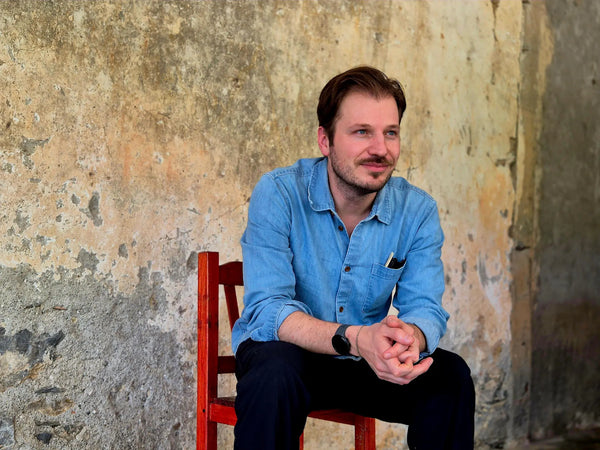
Philipp Schallberger is co-managing director of Kaffeemacher:innen. He manages the roastery and is responsible for green coffee purchasing and origin projects. He judged Barista World Championships for several years. And if he wasn't making coffee, it would probably be wine.