









Guten Espresso zu Hause zu machen ist keine Frage der Maschine. Es ist eine Frage von sechs Handgriffen, die immer gleich ablaufen, und einem Espresso-Rezept, an dem ihr euch festhalten könnt.
In diesem Artikel gehen wir den Ablauf der Espresso-Zubereitung Schritt für Schritt durch: Wie viel Kaffee gehört ins Sieb? Wie findet ihr den richtigen Mahlgrad? Und was macht ihr, wenn der Espresso zu bitter oder zu sauer schmeckt?
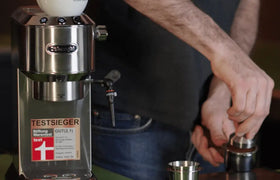
Was ich in dieser Anleitung zusammenfasse, könnt ihr bei jeder Espressomaschine anwenden. Wir verwenden beispielhaft die DeLonghi Dedica und eine Single-Dosing-Mühle, die DF54. In Sachen Preis-Leistung ist das ein großartiges Einsteigersetup. Ihr könnt diesen Ablauf aber auf jede Espressomaschine und fast jede Mühle übertragen und werdet zu einem guten Espresso-Ergebnis kommen.
Mein Name ist Benjamin Hohlmann. Ich war Schweizer und deutscher Kaffeemeister in verschiedenen Disziplinen und habe ein Kaffeeunternehmen mit Rösterei, Cafés und Farm gegründet. Seit vielen Jahren teile ich in Artikeln und Videos alles, was ich über Espresso gelernt habe. Willkommen in meiner Anleitung zur Espresso-Zubereitung.
Das Standardrezept auf einen Blick
In der Tasse landen damit 30 bis 45 Gramm Espresso. Der Mahlgrad ist fein — so fein, dass das Mahlgut leichte Klümpchen bildet. Dazu gleich mehr.
Dieses Rezept ist unser Ausgangspunkt. Wenn ihr diesen Rezept-Baukasten sicher beherrscht, werdet ihr für außergewöhnliche Kaffees immer wieder aus dem Korridor ausbrechen. Als Basis-Espresso-Rezept hilft es euch, Sicherheit zu gewinnen und schnell zum Ziel zu kommen. Es funktioniert bei den meisten Kaffees und bei fast jeder Espressomaschine.
Das Espresso-Rezept: Brühverhältnis verstehen
Ein Rezept beim Espresso besteht aus drei Zahlen: der Kaffeemenge, also der Menge Kaffee, die wir einsetzen. Der Getränkemenge, also wie viel Gewicht Espresso in der Tasse landet. Die dritte Größe ist die Brühzeit, also die Zeit vom Knopfdruck oder Hebelziehen bis zum Beenden des Bezugs — ab wann die Brühzeit wirklich läuft, haben wir hier aufgeschrieben. In der Kaffeesprache heißt das „in“, „out“ und Extraktionszeit.
Das Verhältnis zwischen „in“ und „out“ nennen wir Brühverhältnis oder Getränkeverhältnis. Es entscheidet über die Intensität des Espresso. Im Mund nehmen wir Intensität als Textur wahr: Der Espresso steht entweder sirupartig und dickflüssig in der Tasse oder wirkt eher leicht und saftig.
| Verhältnis | Bei 18 g Kaffee | Charakter | Passt zu |
|---|---|---|---|
| 1:2 | 36 g | kräftig, dicht, viel Textur | dunklere Röstungen, klassischer Espresso |
| 1:2,5 | 45 g | balancierter, süßer | unser Standard für die meisten Kaffees |
| 1:3 | 54 g | leichter, klarer, flüssiger | Umsteiger von Vollautomat oder Kapsel |
Die klassische Espresso-Definition ist für viele 1:2. Wir arbeiten lieber etwas länger.
„Jeder Kaffee hat einen Punkt, an dem er am süßesten und balanciertesten ist. Mit etwas mehr Wasser im Verhältnis treffen wir diesen Punkt, den Sweet Spot, besser.“
Dazu kommt ein persönlicher Grund: Diese sehr kurzen, fast ristrettoartigen Espressi sind bei komplexen Kaffees oft zu heftig. Sie sind zu kräftig, zu konzentriert und kommen nicht in die Balance. Deshalb liegt unser Standardrezept bei 1:2,5.
Wenn euch der Espresso zu stark ist, erhöht nicht die Kaffeemenge. Das ist der häufigste Fehler, den wir sehen. Mehr Kaffee im Sieb bedeutet ein anderes Brühverhältnis — und in aller Regel mehr Überextraktionssäure. Verändert stattdessen die Menge in der Tasse, also die Menge des eingesetzten Wassers, und verlängert damit das Brühverhältnis.

Wie viel Kaffee kommt ins Sieb?
Euer Sieb ist für eine bestimmte Kaffeemenge gebaut. Manche Siebe geben sie an — bei einem 17er VST steht sie drauf. Wenn nicht, findet ihr sie in zwei Minuten selbst heraus.
| Sieb / Maschine | Startwert |
|---|---|
| E61-Brühgruppe, 58 mm | ca. 17–18 g |
| DeLonghi Dedica, 51 mm (unser empfohlenes einwandiges Sieb) | 14–16 g |
| Angabe auf dem Sieb vorhanden | Angabe ± 1 g |
Diese Herstellerangaben stimmen oft recht präzise. Wir würden sie trotzdem überprüfen, weil sich Kaffees in ihrer Dichte unterscheiden. Dafür gibt es zwei einfache Tests.
Der Abdruck-Test. Mahlt eure vermutete Menge, verteilt sie gleichmäßig, tampt und spannt den Siebträger langsam ein. Dann holt ihr ihn wieder raus. Im Kaffeebett darf kein Abdruck der Dusche zu sehen sein. Bei manchen Maschinen sitzt in der Mitte eine Schraube. Auch die solltet ihr nicht abgezeichnet finden. Seht ihr einen Abdruck, ist zu viel Kaffee drin.
Der Münz-Test. Legt eine Euromünze auf den getampten Kaffee und spannt wieder ein. Jetzt sollte ein ganz sanfter Abdruck entstehen. Dann habt ihr genug Kaffee im Sieb und trotzdem etwas Luft nach oben.
Diese Luft braucht ihr. Zwischen Kaffeebett und Dusche sollten etwa 2 bis 5 Millimeter Platz bleiben, damit sich das Pulver beim Anfeuchten ausdehnen kann.
Wenn ihr mit einer Handmühle arbeitet, dosiert bewusst ein halbes bis ein Gramm unter dem Nennmaß des Siebs. Handmühlen haben feste Klickstufen, und manchmal liegt der passende Mahlgrad genau zwischen zwei Klicks. Über die Kaffeemenge könnt ihr dann nachjustieren. Michels Faustregel: lieber ein halbes Gramm zu wenig als zu viel.
Espresso zubereiten in sechs Schritten

Schritt 1: Maschine und Siebträger richtig aufheizen
Der Schritt, der am häufigsten übersprungen wird. Eine Espressomaschine ist nicht brühbereit, nur weil die Lampe leuchtet.
Bei einer Dedica dauert das Aufheizen ein paar Minuten. Größere Maschinen mit Boiler oder Thermoblock brauchen 5, 10 oder 15 Minuten — im Extremfall auch 30. Ziel ist eine Brühtemperatur von mindestens 91 und maximal 94 Grad. Wenn ihr auf 92 oder 93 Grad zielt, seid ihr gut unterwegs.
An den Leuchtsignalen des Herstellers solltet ihr euch nur bedingt orientieren. Vor allem der Siebträger ist oft noch nicht heiß. Er sollte etwa 80 bis 85 Grad haben, also so heiß sein, dass ihr ihn nicht dauerhaft anfassen könnt. Beschleunigen könnt ihr das, indem ihr einmal heißes Wasser durch den eingespannten Siebträger laufen lasst.
Ein kalter Siebträger zieht die Temperatur des Brühwassers nach unten. Deshalb lassen wir ihn im Betrieb grundsätzlich eingespannt.
Schritt 2: Frisch mahlen und den Startmahlgrad finden
Kaffee wird frisch gemahlen. Immer. Sobald Kaffee gemahlen ist, vervielfacht sich seine Oberfläche, die Reaktion mit Sauerstoff beginnt sofort und viele der feinsten Aromen verfliegen.
Der Mahlgrad steuert, wie schnell das Wasser durch den Kaffee läuft. Grob heißt: wenig Widerstand, das Wasser rauscht durch und kann den Kaffee nicht gleichmäßig auslösen. Zu fein heißt: Das Wasser kommt kaum durch, Kaffee und Wasser sind zu lange in Kontakt, und am Ende steht Bitterkeit in der Tasse. Wir suchen den Mittelweg.
Für den Einstieg gibt es einen Trick, der ohne einen einzigen Bezug funktioniert: Schaut euch das Mahlgut an.
Sieht es aus wie Polenta, mit erkennbaren geschroteten Partikeln, seid ihr im Filterbereich. Seid ihr so fein, dass sich erste Klümpchen bilden, seid ihr im Espressobereich angekommen — oder bereits zu fein. Michel hält sich seit Jahren an diesen Indikator, und er funktioniert bei praktisch jeder Mühle.
Kleine Einschränkung, über die wir beide unterschiedlich denken: Michel startet genau dort, wo die Klümpchen anfangen. Ich bin der Meinung, dass man an diesem Punkt oft schon etwas zu fein ist. In der Praxis ist das egal: Ihr seid so oder so in einem Fenster von plus/minus zehn Sekunden statt bei neun oder fünfundvierzig.
Noch ein Hinweis: Wenn ihr eine sehr alte Mühle habt, die schon weit vor dem Espressobereich ganze Würfel ausspuckt, greift diese Methode nicht.
Ausführlich haben wir das im Artikel Espresso Mahlgrad: Wie fein muss Espresso gemahlen werden? beschrieben.
Schritt 3: Dosieren und abwiegen
Wiegt den Kaffee ab. Auch dann, wenn eure Mühle eine Zeitsteuerung hat.
Es gibt zwei Gründe dafür. Erstens ist der Siebträger sonst nicht richtig gefüllt. Zweitens — und das ist der wichtigere — könnt ihr ohne bekannte Kaffeemenge gar kein Rezept definieren. Wenn ihr jedes Mal eine andere Menge im Sieb habt, wisst ihr nie, woran es lag.
Wie präzise das sein muss, lässt sich beziffern: Ein Gramm mehr Kaffee verlängert die Bezugszeit um rund vier Sekunden. Wer die Schwankung unter einer Sekunde halten will, braucht eine Dosiergenauigkeit von etwa 0,25 Gramm.
Bevor der Kaffee ins Sieb kommt: Siebträger einmal ausreiben. Mit einem Lappen, nicht mit dem Pinsel. Es darf kein alter Kaffeesatz und keine Restfeuchtigkeit zurückbleiben. Alter Kaffee im Sieb wird ein zweites Mal gebrüht und schmeckt bitter. Hinzu kommt, dass dieser alte Kaffee einen anderen Widerstand aufbaut als das frische Mahlgut.
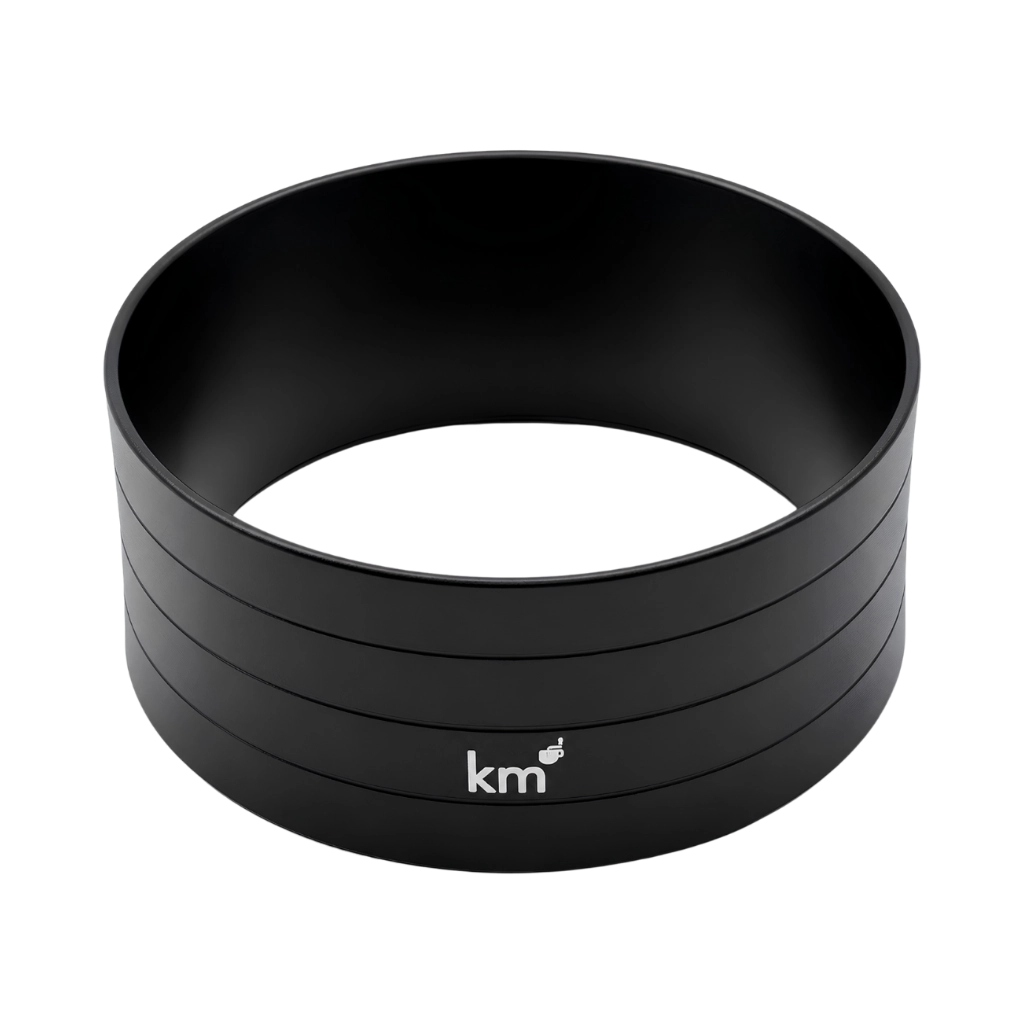
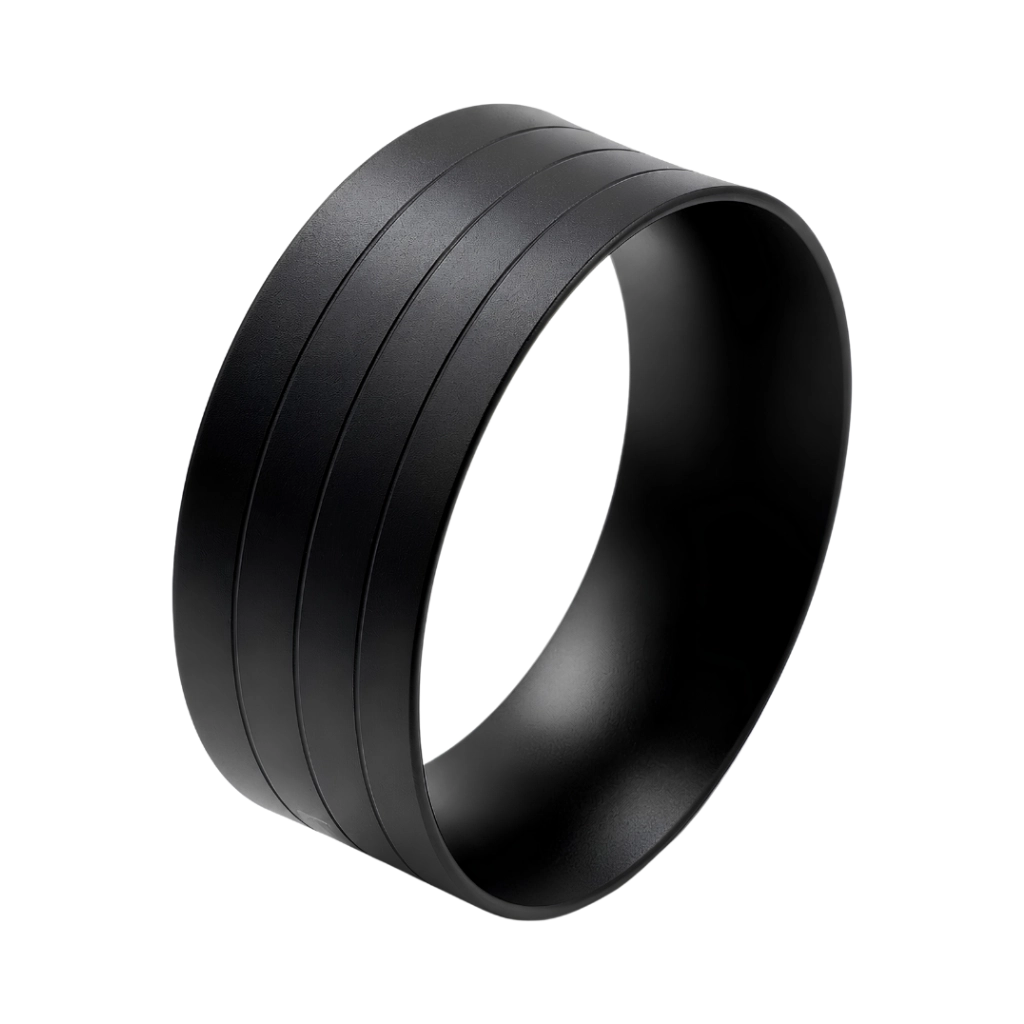
Ein Wort zum Dosierbecher, falls ihr Single Dosing macht: Ein Becher gehört auf den Siebträger, nicht in den Siebträger. Becher, die komplett hineinragen und einen dicken Rand haben, lassen am Sieb-Rand eine kaffeefreie Zone zurück. Das ist eine der zuverlässigsten Arten, Channeling (Kanalbildung) am Rand zu erzeugen.
Schritt 4: Verteilen und tampen
Verteilen kommt vor Verdichten. Das klingt banal, ist aber der Punkt, an dem die meisten Bezüge kippen.
Wenn an einer Stelle ein Berg liegt und an einer anderen eine Kuhle, verdichtet ihr beim Tampen nur genau das, was schon da ist. Von oben sieht anschließend alles gleichmäßig aus. Darunter sitzt aber weiterhin ein Loch. Und genau dort fließt das Wasser später schneller durch.
Zum Verteilen gibt es mehrere Wege. Mit der Hand, mit einem seitlichen Klopfen gegen den Siebträger, oder mit einem WDT-Tool, einem sogenannten Nadelwerkzeug. Ich persönlich bevorzuge das vertikale Verdichten: Siebträger ein-, zweimal auf einer Gummimatte nach unten klopfen, sodass das Pulver in sich zusammensackt. Die seitlichen Karateübungen sind nicht meine Geschichte, weil dabei am Rand gerne Kaffee wegspringt. Die Notwendigkeit des Verteilens hängt aber auch stark davon ab, wie eure Mühle den Kaffee im Siebträger verteilt beziehungsweise ob ihr einen Dosierbecher verwendet.

Erst kreisend in die unteren Ebenen, dann noch einmal an der Oberfläche.
Wann ein WDT-Tool sinnvoll ist: immer dann, wenn eure Mühle Klümpchen liefert. Um jedes Klümpchen herum entsteht beim Tampen ein kleiner Kanal, weil es eine festere, kompaktere Einheit bildet als das lockere Mahlgut. Das Nadeltool bricht sie auf.
Wenn ihr eins nutzt, arbeitet mit dünnen Nadeln, fünf bis acht Stück. Führt sie erst in die unteren Ebenen, kreisend, und endet langsam in der Mitte. Danach das Gleiche noch einmal an der Oberfläche. Nicht zu schnell — ihr wollt keinen starken Impact auf den Kaffee, sondern sanft verteilen. Und macht es jedes Mal gleich, sonst gewinnt ihr keine Reproduzierbarkeit.
Von Levelern raten wir meistens ab. Sie sorgen dafür, dass die Oberfläche schön aussieht, fast wie getampt, und genau da liegt das Problem. Ist der Leveler zu tief eingestellt, tampt ihr mit den äußeren Flügeln bereits an, und zwar nicht unbedingt gerade. Eine saubere horizontale und vertikale Verteilung erreicht dasselbe Ergebnis ohne dieses Risiko.

Jetzt zum Tampen — und hier können wir euch eine Sorge nehmen.
Wir haben das gemessen. Michel hat zusammen mit einem Lebensmitteltechnologen 150 doppelte Espressi bezogen, je 50 mit 10, 15 und 20 Kilogramm Anpressdruck, alles andere so konstant wie möglich gehalten: Rancilio Specialty mit präzisem Flowmeter, Etzinger etzMax, 18,5 Gramm mit maximal 0,1 Gramm Abweichung, 93 Grad, automatisiertes Tampen mit der Puqpress, jeder Bezug mit dem VST-Refraktometer gemessen.
| Anpressdruck | Ø Bezugszeit | Ø TDS |
|---|---|---|
| 10 kg | 24,24 s | 8,05 % |
| 15 kg | 23,54 s | 8,00 % |
| 20 kg | 24,20 s | 7,98 % |
150 Bezüge, je 50 pro Stufe. Rohdaten und ANOVA-Auswertung im Detail.
Die Varianzanalyse zeigt bei beiden Messgrößen keinen signifikanten Unterschied. Marco Wellinger von der ZHAW in Wädenswil hat uns das mit einer eigenen Studie bestätigt und ist noch weiter nach unten gegangen: Ab etwa 5 bis 6 Kilogramm wird es kritisch. Darüber ist es weitgehend egal.
Praktisch heißt das: Drückt mit etwa 10 Kilogramm, oder auch etwas mehr. Nach oben spielt es keine Rolle. Nach unten solltet ihr nicht viel unter 8 Kilogramm kommen. Wenn ihr ein Gefühl dafür bekommen wollt, stellt eine Personenwaage auf den Tisch und drückt einmal drauf. Ihr werdet merken, dass sechs Kilo erstaunlich wenig sind.
Michels Fazit nach 150 Bezügen: Schaut nicht, wie stark ihr tampt, aber tampt. Eine ebene Fläche ist das Entscheidende.
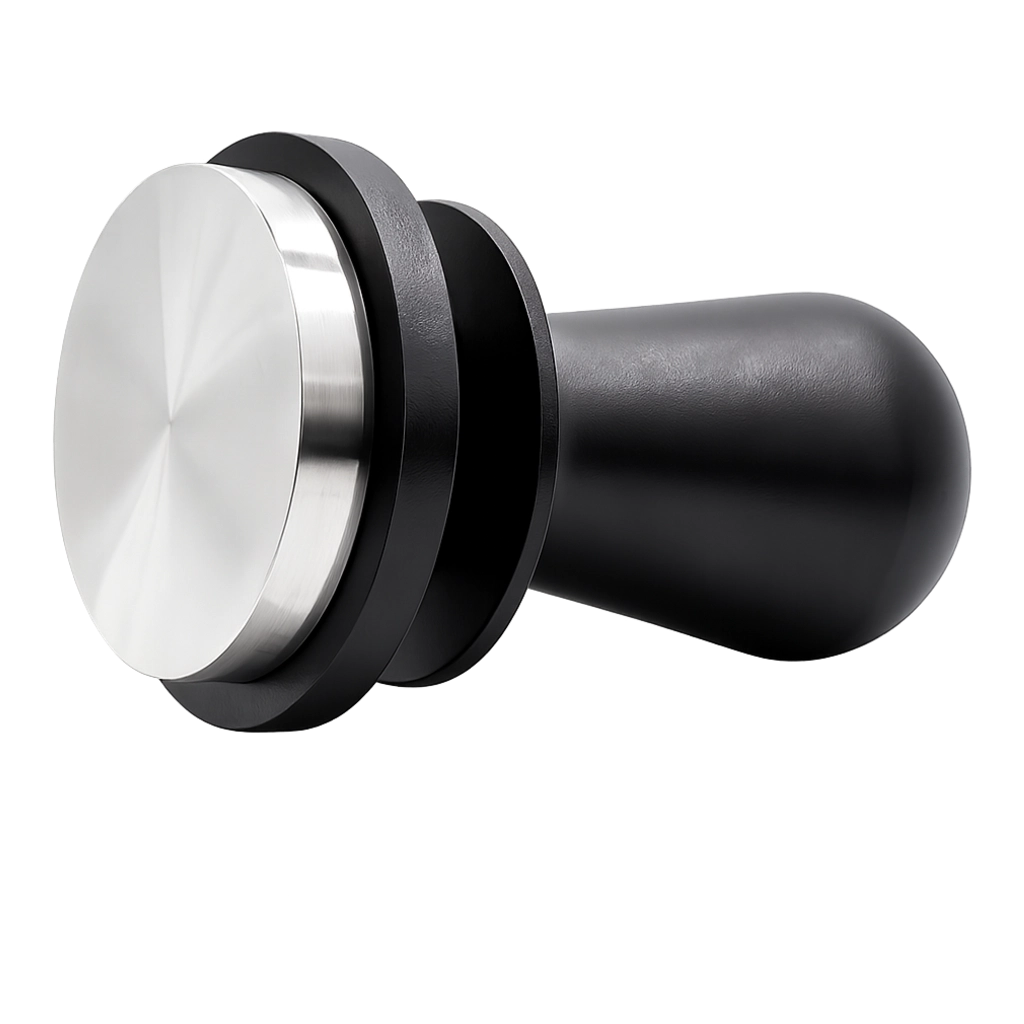
Was dagegen wirklich zählt, ist die Tampergröße. Siebe mit der Bezeichnung 58 mm haben oft einen effektiven Innendurchmesser von 58,8 bis 58,9 mm. Ein 58er Tamper lässt am Rand einen Ring stehen, der nie sauber verdichtet wird. Nehmt einen mit 58,4 oder 58,5 mm. Unser eigener KM-Tamper schließt bündig mit dem Rand ab und verhindert dennoch, dass beim Herausziehen ein Vakuum entsteht und der Kaffeekuchen angehoben wird.
Zwei Dinge zum Schluss dieses Schritts, die sonst alles zunichtemachen:
Klopft nicht mit dem Tamper gegen den Siebträger. Das war in den 2010ern gelehrte Praxis, um Pulver vom Rand herunterfallen zu lassen. Der Kaffeekuchen springt dabei jedes Mal von der Siebwand weg. Das Ergebnis ist Channeling.
Achtet auf eine trockene Arbeitsfläche. Ein einzelner Kaffeetropfen auf der Tampingmatte reicht, damit der Tamper daran hängen bleibt und euch die getampte Oberfläche wieder aufreißt.
Anschließend einmal kurz über den Bajonettverschluss wischen, damit der Siebträger im oberen Bereich sauber ist. Sonst verschmutzt eure Dusche mit der Zeit, und dann läuft das Wasser links und rechts am Siebträger vorbei.

Schritt 5: Spülen, einspannen, sofort starten
Zwischen jedem Espresso wird einmal gespült. Entweder direkt nach dem letzten Bezug oder unmittelbar vor dem nächsten.
Das hat zwei Gründe. Der erste: Die Dusche wird vom alten Kaffee gereinigt. Macht dazu einmal einen Test. Bezieht einen Espresso, nehmt den Siebträger raus, stellt ein Glas darunter und lasst Wasser laufen. Ihr seht dann, wie viel Rückstand oben noch hing. Der zweite Grund ist die Temperatur: Bei manchen Maschinen, etwa klassischen Zweikreisern, bringt ein längerer Spülvorgang die zu heiße Brühgruppe wieder in den Sollwert. Das nennt sich Cooling-Flush.
Bei anderen Maschinen fällt die Temperatur durchs Spülen dagegen zu stark ab. Da spült ihr besser direkt nach dem Bezug. Ihr müsst eure Maschine an dieser Stelle kennenlernen.
Nach dem Spülen einmal mit dem Lappen über die Tropfschale.
Und dann kommt der Punkt, an dem Michel kompromisslos ist: sofort starten.
Wenn der Siebträger eingespannt ist, sitzt er unter einer warmen, feuchten Dusche. Dem Kaffee ist egal, woher das Wasser kommt: Er fängt an aufzuquellen und zu extrahieren. Ab fünf Sekunden messen wir Unterschiede im Extraktionsverhalten. Ab zehn Sekunden schmecken wir sie deutlich. Danach geht es schnell bergab: Statt eines dickflüssigen Espressos läuft irgendwann nur noch Wasser heraus.
Bereitet deshalb alles vorher vor. Waage auf der Tropfschale, Tassen drauf, tariert. Beim Einspannen liegt die Hand schon am Knopf oder am Hebel.

„Das Einspannen eines Siebträgers sollte geräuschlos funktionieren.“
Wer den Siebträger mit Elan in die Brühgruppe wuchtet und dabei irgendwo anstößt, löst den Kaffeekuchen vom Rand. Dort entsteht ein Krater, das Wasser läuft schneller ab, und an anderer Stelle fehlt es. Bei Weltmeisterschaften und auch bei unserer Homebarista-Meisterschaft wird das übrigens bestraft.
Schritt 6: Extrahieren und messen
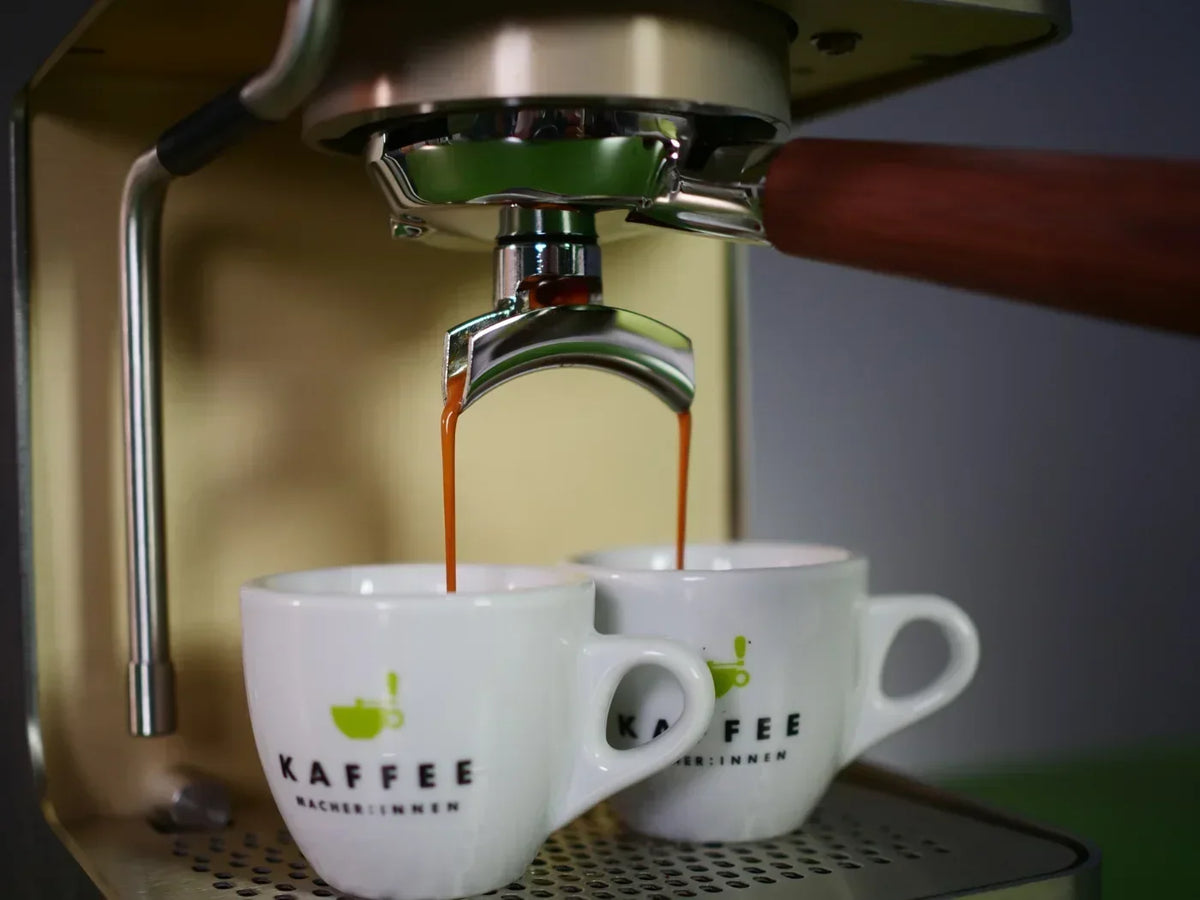
Jetzt läuft der Espresso. Ihr behaltet zwei Dinge im Auge: die Menge auf der Waage und die Zeit.
Stoppt kurz bevor die Zielmenge erreicht ist: bei 18 Gramm Kaffee und einem Verhältnis von 1:2,5 also kurz vor 45 Gramm in der Tasse. Der Nachlauf bringt euch die letzten Gramm.
Achtet auf die ersten Tropfen. Kommen sie klar wie Wasser statt dickflüssig, habt ihr Channeling. Diese Tasse müsst ihr nicht trinken.
Die Zeit, die ihr dabei messt, ist eure wichtigste Diagnosegröße. Sie sagt euch, in welche Richtung der Mahlgrad muss.
Den Espresso einstellen: das Drei-Bezüge-Prinzip
Der erste Espresso sitzt praktisch nie. Das ist normal und geht uns genauso.
Michel hat das für uns unter erschwerten Bedingungen vorgeführt: drei fremde Mühlen, die Mahlgradskala mit Klebeband abgeklebt, ohne jede Orientierung an Zahlen. Er hat alle drei mit insgesamt sieben Extraktionen auf das Standardrezept eingestellt.
Die Logik dahinter:
Bezug 1 sagt euch, wo ihr steht. Startet beim Klümpchen-Punkt aus Schritt 2. Dosiert, tampt, bezieht und stoppt die Zeit.
Bezug 2 sagt euch, wie viel eine Verstellung ausmacht. Korrigiert in kleinen Schritten, nicht in ganzen Zahlen. Bei vielen Mühlen liegt zwischen zwei Ziffern sehr viel Platz. Wichtig: Nach jeder Verstellung erst den Totraum leermahlen. Bei einer Eureka Mignon sind das rund drei Gramm, die ihr wegwerft. Sonst mahlt ihr eine Mischung aus altem und neuem Mahlgrad und der ganze Ablauf funktioniert nicht.
Bezug 3 ist die Schlussfolgerung. Jetzt wisst ihr, wie viele Striche ungefähr wie vielen Sekunden entsprechen, und könnt gezielt korrigieren.
Die Richtung ist einfach:
Espresso läuft zu schnell → feiner mahlen. Mehr Widerstand, das Wasser wird länger aufgehalten. Bei den meisten Mühlen bedeutet feiner: kleinere Zahlen.
Espresso läuft zu langsam → gröber mahlen. Weniger Widerstand. Größere Zahlen.
Ein Hinweis für alle, die auf die Sekunde schauen: Die Bezugszeit ist streng genommen eine Folge anderer Parameter, nicht der Regler selbst. Für zu Hause ist sie trotzdem das beste Werkzeug, das ihr habt: Sie ist einfach zu messen und sie korreliert gut mit dem, was in der Tasse ankommt. Verbeißt euch nur nicht in eine exakte Zahl. Ein Bezug mit 34 Sekunden kann besser schmecken als einer mit 26.
Und: Ändert immer nur eine Variable. Wenn ihr gleichzeitig Mahlgrad, Menge und Verhältnis verstellt, wisst ihr am Ende nicht, was gewirkt hat.
Zwei Situationen, in denen ihr nachstellen müsst, ohne dass ihr etwas falsch gemacht habt: bei jeder neuen Packung Kaffee — auch beim gleichen Kaffee, weil sich die Röstung unterscheidet — und bei hoher Luftfeuchtigkeit, weil das Pulver dann aufquillt und mehr Widerstand erzeugt. An schwülen Sommertagen hilft eine Stufe gröber.

Fehlerbehebung: Symptom, Ursache, Korrektur
Diese Tabelle ist der Teil, den ihr euch ausdrucken oder auf dem Handy offen lassen könnt.
| Symptom | Wahrscheinlichste Ursache | Korrektur | Kontrolle |
|---|---|---|---|
| Läuft in unter 20 Sekunden durch | Mahlgrad zu grob | Feiner stellen, Totraum leermahlen | Bezugszeit |
| Läuft über 40 Sekunden oder tropft nur | Mahlgrad zu fein | Gröber stellen | Bezugszeit |
| Schmeckt sauer und dünn, wenig Körper | Unterextraktion durch zu groben Mahlgrad | Feiner stellen oder Verhältnis verlängern | Bezugszeit, Geschmack |
| Schmeckt bitter, trocken im Mund | Überextraktion durch zu feinen Mahlgrad | Gröber stellen oder Verhältnis verkürzen | Bezugszeit, Geschmack |
| Schmeckt sauer, bitter und trocken zugleich | Channeling | Verteilung und Tampen prüfen, geräuschlos einspannen | Erste Tropfen: dickflüssig oder wässrig? |
| Erste Tropfen klar wie Wasser | Channeling, Kanal im Puck | Puck-Vorbereitung überarbeiten | Bodenloser Siebträger |
| Wasser läuft seitlich am Siebträger vorbei | Dusche oder Bajonett verschmutzt | Dusche abnehmen und reinigen, Siebträger abwischen | Sichtprüfung |
| Channeling immer an derselben Stelle | Dusche punktuell verstopft | Dusche abnehmen, alle Löcher freimachen | Sichtprüfung gegen Licht |
| Kaum Crema, Kaffee wirkt flach | Kaffee zu alt, CO₂ fehlt | Röstdatum prüfen | Röstdatum |
| Kaffee sprudelt beim Bezug, unruhige Extraktion | Kaffee zu frisch | 1,5 bis 2 Wochen ruhen lassen | Röstdatum |
| Espresso schmeckt ranzig oder muffig | Siebträger oder Dusche verschmutzt | Reinigen, Rückspülen | Spülwasser anschauen |
| Erster Bezug am Morgen schmeckt daneben | Maschine nicht heiß, Reinigerreste, alter Kaffee im Totraum | Aufheizen abwarten, Wasser durchlaufen lassen, erste Mahlung verwerfen | — |
| Ergebnisse schwanken ohne erkennbaren Grund | Wartezeit zwischen Einspannen und Start | Alles vorbereiten, sofort starten | Ablauf |
| Säure nimmt über Monate zu | Boiler oder Heizspirale verkalkt, Folge: niedrigere Temperatur | Entkalken oder entkalken lassen | Wasserhärte |
Sauer oder bitter? Erst mal richtig erkennen
Bevor ihr korrigiert, müsst ihr wissen, was ihr da schmeckt. Und genau hier liegt eine Falle, die gut dokumentiert ist: Ungeübte Verkoster in westlichen Kaffeekulturen beschreiben saure Espressi regelmäßig als „bitter“. Wer daraufhin gröber mahlt, macht es schlimmer.
Zwei Anhaltspunkte, um das auseinanderzuhalten:
Säure trifft euch sofort, vorne auf der Zunge, im ersten Moment. Sie kann stechend und beißend sein oder beweglich und interessant. Das ist ein Unterschied, den es sich lohnt zu üben. Die Gegenprüfung mit Zitrone (sauer) und Artischocke (bitter) hilft beim Üben und Erkennen.
Bitterkeit kommt hinten heraus, im Nachgeschmack, und geht oft mit einem trockenen, stumpfen Mundgefühl einher.
Ein balancierter Espresso schmeckt von sich aus süß. Wenn ihr Süße schmeckt, seid ihr richtig.
Und noch etwas, das oft untergeht: Säure gehört zum Kaffee. Bei komplexen Genussmitteln ist sie das, was den Geschmack lebendig hält. Ein Espresso ohne jede Säure ist ziemlich flach. Stellt euch einen Wein ohne Säure vor.
Wenn der Espresso trotz stimmender Zeit und stimmendem Verhältnis zu sauer bleibt, liegt es meist an einer von drei Sachen:
Ausführlich haben wir das in Espresso ist sauer? 6 Tipps für weniger Säure aufgeschrieben.
Was ihr wirklich braucht
Erstaunlich wenig. Aber an einer Stelle solltet ihr nicht sparen.
Eine Mühle. Sie ist der größte Hebel und wichtiger als die Espressomaschine. Es kommt darauf an, wie die Partikel geschnitten werden und wie gleichmäßig die Verteilung ausfällt. Eine brauchbare elektrische Espressomühle liegt bei etwa 200 Euro aufwärts. Im günstigeren Bereich ist eine solide Handmühle ab rund 100 Euro die bessere Wahl. Sie macht genau gleich guten Espresso wie deutlich teurere elektrische Mühlen und hat praktisch keinen Totraum. Eine Auswahl sehr guter Handmühlen haben wir in unseren Shop aufgenommen. Welche elektrischen Mühlen wir empfehlen, steht im großen Espressomühlen-Test.
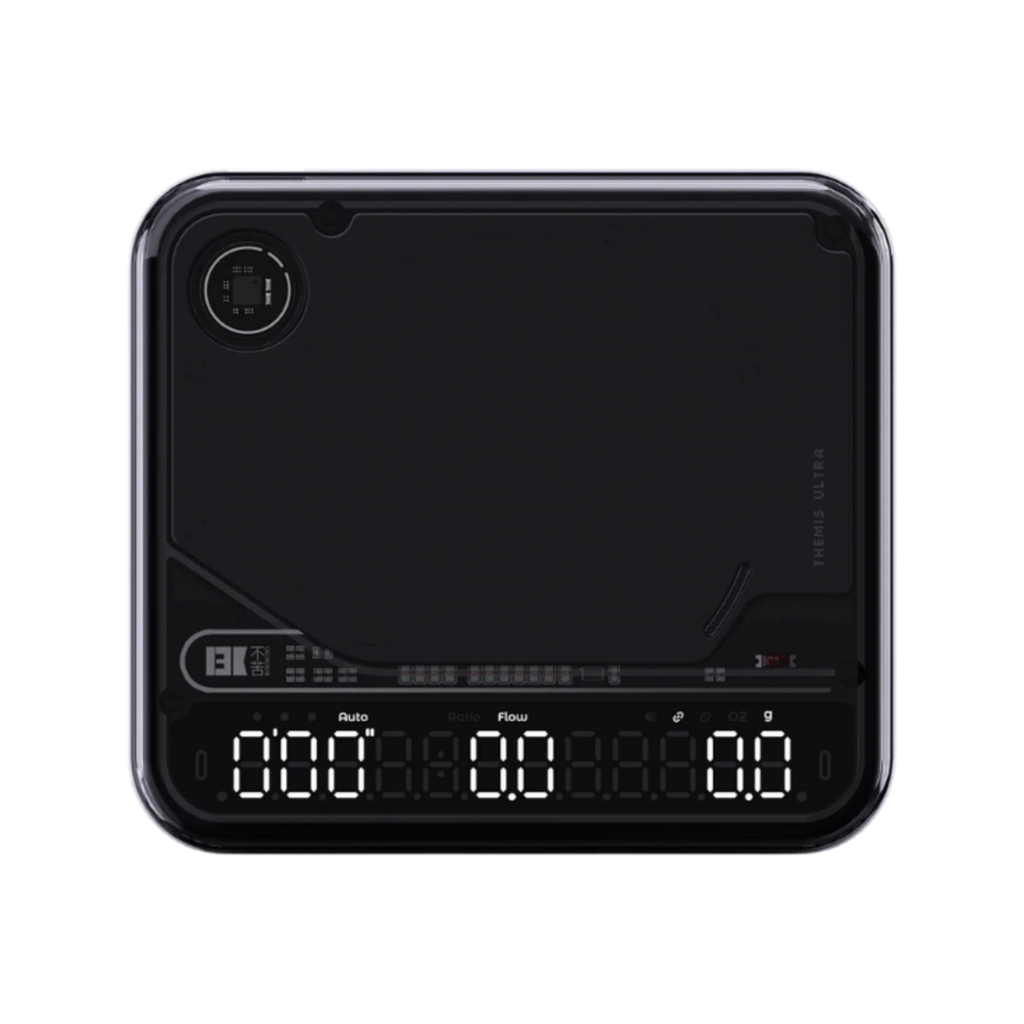
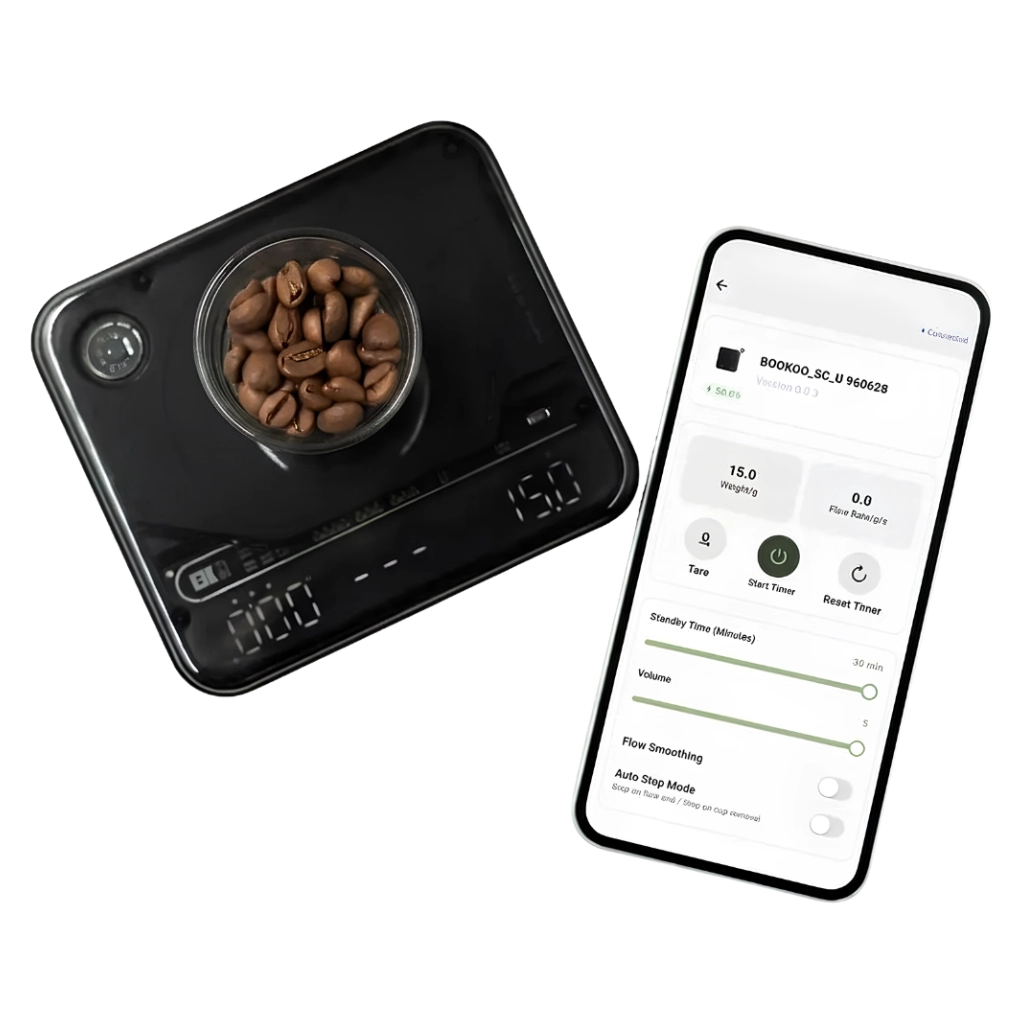
Eine Waage. Jede Küchen- oder Briefwaage funktioniert. Gut ist, wenn sie schnell auf Gewichtsveränderungen reagiert. Modelle mit Timer nehmen euch das Mitzählen ab. Einige Modelle zeigen euch während der Brühung sogar an, wie viele Milliliter pro Sekunde in der Tasse ankommen. Unsere Auswahl findet ihr bei den Waagen.
Einen passenden Tamper. 58,4 oder 58,5 mm bei einem 58er Sieb. Ein Luftkanal in der Basis verhindert, dass beim Herausziehen ein Vakuum entsteht, das den Kaffeekuchen mit anhebt — so wie bei unserem KM-Tamper.
Optional: ein WDT-Tool. Fünf bis acht dünne Nadeln. Sinnvoll, wenn eure Mühle Klümpchen produziert, bei dunklen Röstungen und in trockenen Räumen. Unser Nadeltool ist genau dafür gebaut.
Ein gutes Sieb. Zylindrisch, sauber gestanzte Löcher, kein doppelter Boden. Eine Auswahl haben wir in den Sieben.
Weiches Wasser. Für Espresso empfehlen wir eine Gesamthärte im Bereich von 3 bis maximal 6 deutschen Härtegraden. Alles über 15 °dH ist hart. Das verkalkt nicht nur die Maschine, sondern puffert auch die Säure im Kaffee weg. Mehr dazu im Kaffeewasser-Artikel.
Was ihr nicht braucht: ein doppelwandiges Sieb. Das simuliert Druck, den der Kaffeepuck selbst nicht aufbaut, und liefert eine Sprudel-Crema statt echter Crema. Solange ihr nicht selbst mahlt, ist es eine nützliche Krücke. Sobald ihr frisch mahlt und den Mahlgrad einstellt, versteckt es genau das Feedback, das ihr braucht. Warum das so ist, erklären wir im Artikel Doppelwandiges Sieb.
Espresso lernt man am schnellsten, wenn jemand danebensteht und mitverkostet. Genau dafür gibt es unsere Kurse — vor Ort in Basel und im Ruhrgebiet oder als Online-Kurs für zu Hause.
Häufige Fragen
Wie viel Gramm Kaffee für einen doppelten Espresso?
Je nach Sieb 14 bis 18 Gramm. Bei einer E61-Brühgruppe sind 17 bis 18 Gramm ein guter Start, bei einer DeLonghi Dedica 14 bis 16 Gramm. Prüft es mit dem Abdruck- oder Münz-Test.
Wie lange soll ein Espresso laufen?
25 bis 30 Sekunden ab Knopfdruck. Unter 20 Sekunden wird es sauer, deutlich über 35 Sekunden bitter.
Warum brühen wir immer doppelt?
Weil das geschmackliche Ergebnis besser ist. Die Geometrie des 1er-Siebs passt schlecht zur Espressomaschine und verhindert eine gleichmäßige Extraktion des gesamten Pulvers. Mehr Kaffee erlaubt eine gleichmäßigere Extraktion.
Ab wann läuft die Extraktionszeit?
Ab Knopfdruck beziehungsweise Hebelbewegung. Teilweise kommt der erste Tropfen erst nach 10 bis 15 Sekunden Extraktionszeit. Wer sich daran orientiert, hat keine konstante Messgröße.
Wie fest muss ich tampen?
Etwa 10 Kilogramm. Nach oben ist es egal, nach unten solltet ihr nicht viel unter 8 Kilogramm kommen. Wichtiger als der Druck ist, dass ihr gerade tampt.
Wie frisch muss der Kaffee sein?
Für Espresso anderthalb bis zwei Wochen nach der Röstung. Danach etwa zwei bis vier Wochen. Zu frischer Kaffee enthält noch zu viel CO₂ und extrahiert ungleichmäßig.
Muss ich den Mahlgrad bei jeder Packung neu einstellen?
In der Regel ja, zumindest leicht. Selbst beim gleichen Kaffee unterscheidet sich die Röstung. Bei einem Wechsel von hell auf dunkel sind es oft mehrere Stufen.
Mein Espresso schmeckt sauer und bitter gleichzeitig. Was ist das?
Channeling. Das Wasser hat sich einen Kanal gesucht, extrahiert dort zu viel (bitter) und lässt den Rest des Kuchens unterextrahiert (sauer). Prüft Verteilung, Tampen und ob ihr beim Einspannen anstoßt.
Brauche ich wirklich eine Waage?
Ja. Ohne bekannte Kaffeemenge könnt ihr kein Rezept definieren, und ohne bekannte Getränkemenge wisst ihr nicht, in welchem Brühverhältnis ihr unterwegs seid.
Lohnt sich ein Leveler?
Meistens nicht. Eine saubere horizontale und vertikale Verteilung erreicht dasselbe. Ein zu tief eingestellter Leveler tampt bereits mit den Flügeln an — und selten gerade.
Fazit
Guter Espresso zu Hause ist kein Hexenwerk, aber er braucht Sorgfalt an drei Stellen: eine Mühle, die fein und gleichmäßig mahlt, eine Waage, damit ihr überhaupt ein Rezept habt, und einen Ablauf, den ihr jedes Mal gleich durchzieht.
Startet mit 18 Gramm im Sieb, zielt auf 45 Gramm in der Tasse in 25 bis 30 Sekunden und arbeitet euch in drei Bezügen an den Mahlgrad heran. Wenn das sitzt, geht es ans Feintuning — und ab da entscheidet euer Geschmack, nicht die Stoppuhr.
Und wenn es einmal nicht schmeckt: Die Fehlertabelle weiter oben deckt so ziemlich alles ab, was uns in den Kursen begegnet.
Weiterlesen
- Espresso Mahlgrad: Wie fein muss Espresso gemahlen werden?
- 20 Fehler beim Espresso zubereiten
- Channeling – Kanalbildung im Espresso-Puck vermeiden
- Welchen Einfluss hat der Druck beim Tampen?
- Espresso Extraktionszeit: Ab wann läuft die Brühzeit wirklich?
- Doppelter Espresso: Menge, Zubereitung und Unterschied zum einfachen
- Vorbrühung beim Espresso: Was bringt Pre-Infusion wirklich?
- Espresso Temperatur
- Das richtige Kaffeewasser
- Doppelwandiges Sieb: Was steckt dahinter?