





The year ends with a bang in the coffee industry. De'Longhi lays its cards on the table and forms a new "Coffee Hub" that brings La Marzocco, De'Longhi, and Eversys under one roof. This new corporate structure will be controlled by De'Longhi SpA (De'Longhi Group). (An English version of the entire article can be found here.)
De'Longhi Industrial S.A. became the majority shareholder back in 2021. La Marzocco CEO Guido Bernardinelli successfully threw a smokescreen at the time by referring to De'Longhi Industrial S.A. and thus the De'Longhi family becoming shareholders, but not the active coffee machine and household appliance company De'Longhi SpA. And the De'Longhi Group itself felt the need to issue such a statement on February 8, 2021.
Somewhat absurdly, with this statement, the issue was largely off the table back then. After all, De'Longhi Industrial S.A., through Giuseppe De'Longhi, also controls the majority of shares in the De'Longhi Group.
For two years, hardly anyone in the industry talked about the fact that at least in various structures bearing the name De'Longhi, the majority shares in La Marzocco were held. Today, all of that is obsolete.
De'Longhi SpA has now confirmed that it is acquiring approximately 61.4% of La Marzocco's shares through a new subsidiary (pdf). Another approx. 26.6% of the shares are located in De'Longhi Industrial, and approx. 12% with minority shareholders of La Marzocco.
The Swiss super-automatic coffee machine manufacturer Eversys will also be integrated into the new subsidiary. The De'Longhi Group had already acquired Eversys in 2021.
In retrospect, the communication from 2021 seems disingenuous, as the De'Longhi Group was obviously already on an acquisition course. That La Marzocco CEO Guido Bernardinelli wanted to protect the cult status of his brand, however, is not surprising.

La Marzocco became a barista cult brand worldwide
Founded in 1927 by the Bambi brothers, the Florentine company La Marzocco has successfully built up the aura of a cult espresso machine manufacturer over the last 20 years. Key factors were the sponsorship of the World Barista Championship as a machine sponsor from 2000 to 2008, the resulting proximity to world baristas, and the high-quality manufacturing of the company from Florence.
«Handmade in Florence» became the trademark, and I can personally confirm after a visit to the production hall in Scarperia, 30 km from Florence: it is assembled, screwed, and tested on site.
On the technology side, La Marzocco was responsible for several innovative leaps in the evolution of espresso machines. As early as 1970, a patent was filed for a double boiler that would allow independent heating of the brew and steam boilers.
The mix of proximity to the barista community, good machine quality, and local production in Italy made it easy for baristas worldwide to identify with the La Marzocco brand. Important pioneers were also local specialist partners and importers, such as Kialoa in Switzerland. It was no coincidence that La Marzocco Stradas, Lineas, and GB5s were also in our cafés and academies.
This mix ensured that La Marzocco became the safe choice for espresso machines worldwide, whether commercially in cafés or in private homes. Worldwide is no exaggeration; according to L'Economia, 97% of sales in 2020 were generated abroad. La Marzocco's sales for 2023 are €240 million, with an adjusted EBITDA of €56.7 million, according to the De'Longhi Group. The consolidated sales of the new venture consisting of Eversys and La Marzocco for 2023 are projected at €372 million with an adjusted EBITDA of €87 million.

What will become of the cult and what will become of the quality?
The De'Longhi Group states that La Marzocco and Eversys will continue under their current management. While a new Coffee Hub is mentioned, we interpret this as referring to a structural connection rather than a physical consolidation. Synergies, joint development, and the exchange of technologies could theoretically improve the espresso and coffee machines of all three brands. Cross-selling is also cited as a goal, with La Marzocco being closer to Eversys's fully automatic coffee machines than De'Longhi's home espresso machine segment.
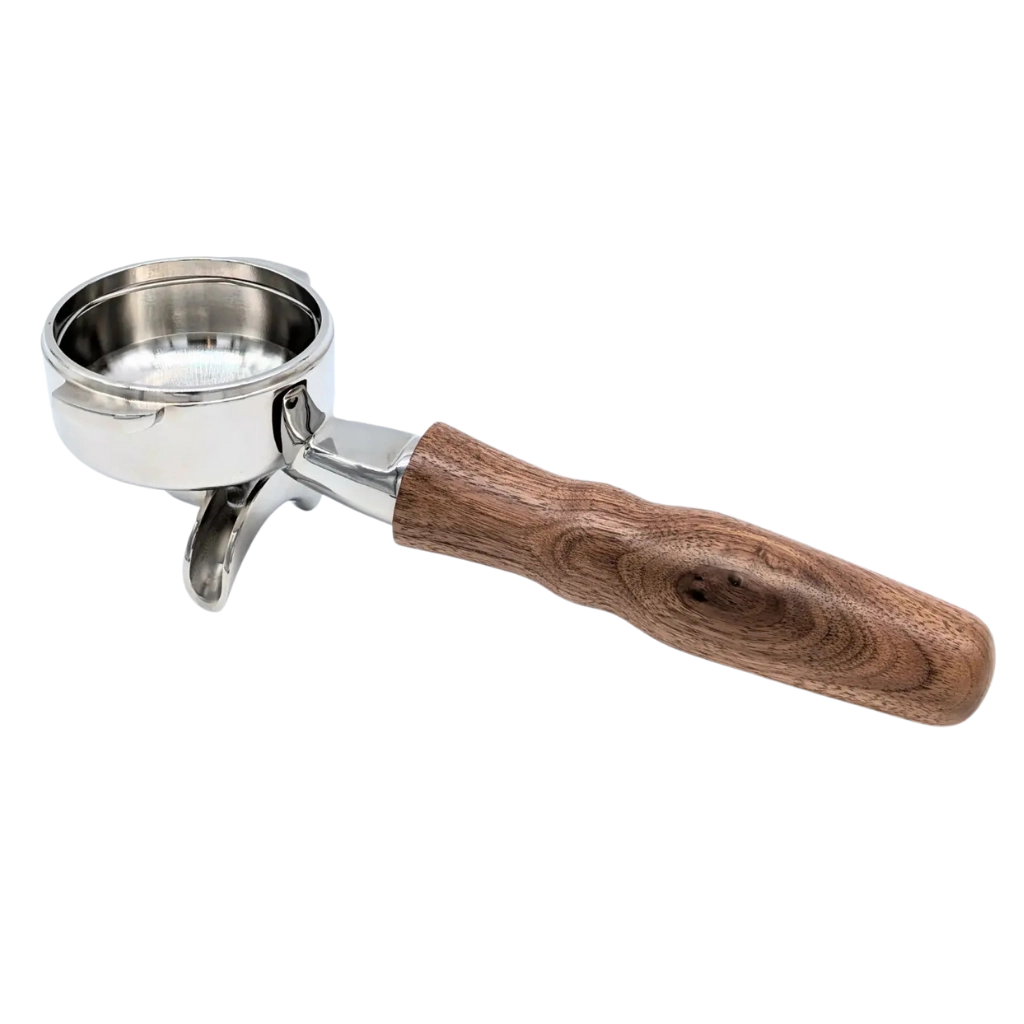
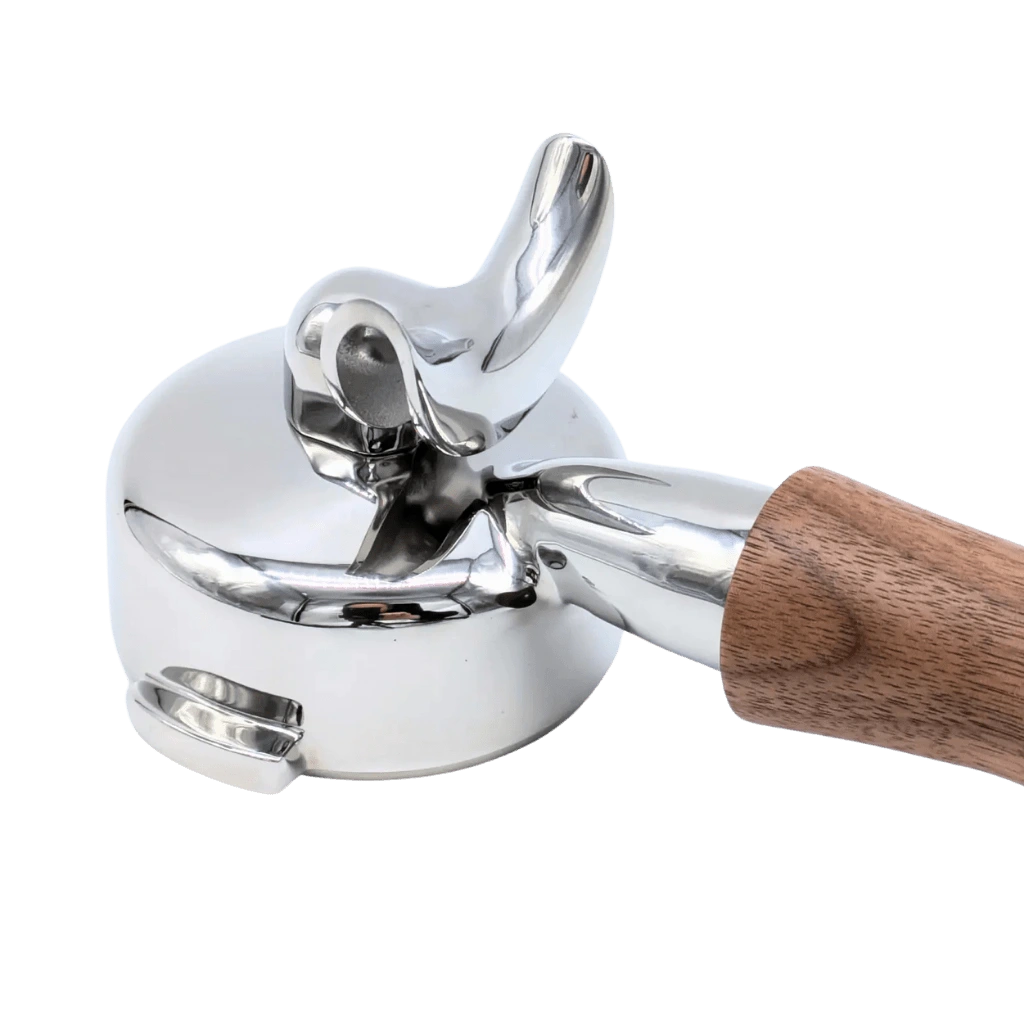
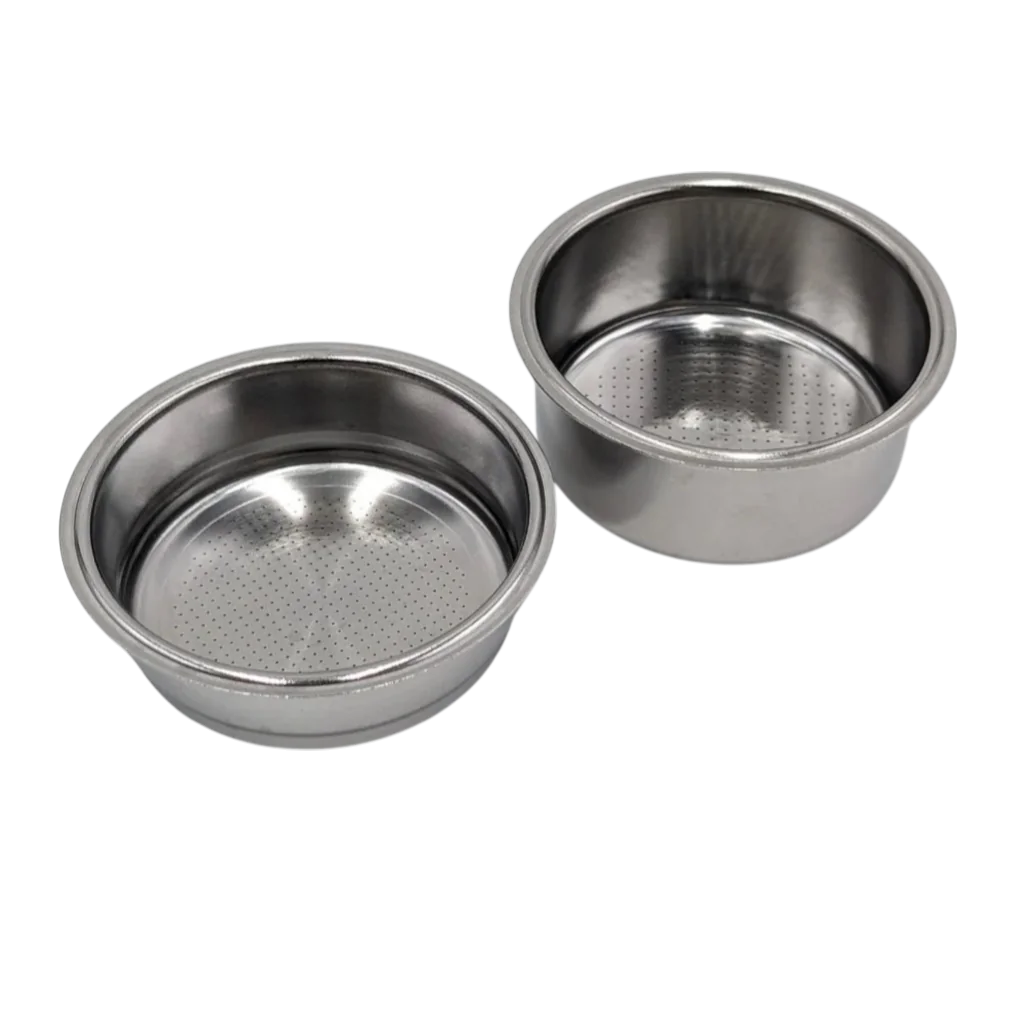
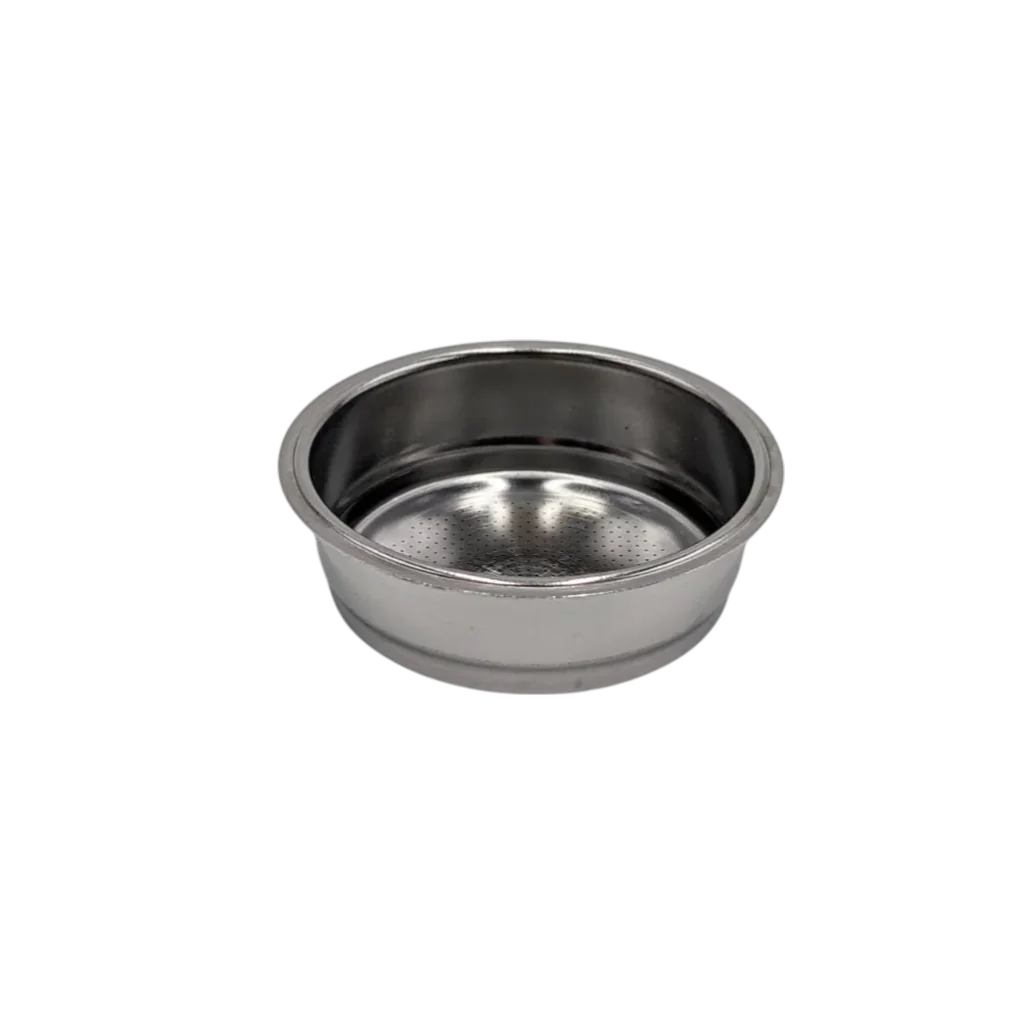
So, will we soon see a GS3 with a double-walled portafilter à la De'Longhi Dedica? That would be less desirable than the volumetrics of the Dedica in the Linea Micra.
It is difficult to predict where the journey with La Marzocco (and Eversys) will lead. Once again, short-term capital interests pose the greatest threat to a good entrepreneurial idea. With all due respect to the LM R&D team, some of whose leading figures I know personally, the question will be: will the focus of development in the future be on improving quality, or will cheaper construction components have to be integrated into the machines to improve margins?
How will the Scarperia team's identification with the brand change if the ownership structure moves significantly further away? And what impact will this have on the barista community's proximity to the brand? If I want to spend 5000 euros on an espresso machine in the future and connect with a company, will it then perhaps be a Xenia, a Decent, Maro or ECM?
What concerns me and what I already addressed in our review of the Linea Micra is a problematic development direction. With the marketing concept of the Micra, La Marzocco consistently opted for online sales directly from Italy, bypassing its loyal specialist dealers in various countries. In Germany, for example, the Micra can only be purchased through the subsidiary LM Germany. This company has set up several flagship stores in major cities, but it is never as close to the home barista as specialist retailers. The result is often customers who are overwhelmed with their machine. We know the consequences of these developments and see them daily in the comments under our videos and articles, as well as in our courses: questions, frustration, and disappointment because machine buyers are left alone and, despite having a good espresso machine, do not get good coffee in their cup.

Assembly of Linea Minis, visit to La Marzocco, July 2019
The potential is huge!
There are also many opportunities in the new and now public alliance. La Marzocco, De'Longhi, and Eversys bring numerous competencies from different markets. In theory, all can learn from each other. Eversys builds perhaps the best fully automatic coffee machines for gastronomy. The espresso and coffee result, if the machines are well-adjusted, is excellent and hardly distinguishable from the espresso of a portafilter in a blind tasting. In a sales conversation, the local machine dealer can, therefore, with a clear conscience and without compromise, offer the bakery or café the right machine for their usage concept.
De'Longhi itself demonstrates with machines like the Dedica that decent espresso is possible even for little money. La Marzocco, in collaboration with Marco Beverage Systems, had already filed a patent for a scale, which has since been released to the market. Eversys and De'Longhi will benefit from this expertise.
And last but not least, the new consortium can form a counterpart in the market to other groups such as the growing Breville Group. Breville acquired Lelit (Gemme Italian Producers SRL) in 2022, after Baratza had already become part of the group in 2020.
A final word on the new De'Longhi Coffee Hub, before we wait and see what the new alliance will actually bring us in the future.
I have already tested many products from both De'Longhi and La Marzocco. From the outside, I would say: there is a missing puzzle piece. The Coffee Hub lacks a grinder manufacturer. I would not be surprised if another acquisition comes here.
Let's state: The merger of these three companies is a significant milestone in the history of the coffee machine sector and will undoubtedly have an impact on the global market for coffee products.