



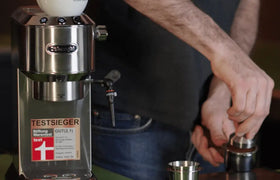

The Sage Dual Boiler is an interesting espresso machine. Although it is clearly recognizable as a Sage machine from the outside, it is in many respects quite different from its sisters. The Barista Express, the Barista Touch and also the Sage Bambino all use thermoblock heaters. The Dual Boiler, however, as the name suggests, has two boilers for brewing espresso and for frothing milk.
The Sage Dual Boiler thus competes with renowned rivals such as La Marzocco, ECM or Della Corte. But the price of the Sage is a real statement to its rivals. It is already available for around €1000. This is significantly cheaper than other dual boiler machines - which made us very curious.
To state one thing upfront: The Sage Dual Boiler shows that dual boilers don't necessarily have to be expensive to be technically mature and perform well in everyday use. Let's start with our test.
In this article, we have summarized all our findings on the Sage Dual Boiler. A very detailed and a summary video can be found on our YouTube channel. Since we enjoyed working with the machine, we will continue to use it and share further tips and tricks with you.
In brief - Summary of the test
Strengths:
- Temperature consistency: Once the machine is heated up, it is really stable.
- Fast heat-up time: It's hot in 8 minutes. Don't forget to flush.
- Extensive control options: Automatic start time, pre-infusion, and much more.
- Dual PID control: For espresso and milk froth.
- Programmable volume buttons: Both flow time and flow volume can be set. Flow volume (volumetric) is often not included even in much more expensive machines.
- Pre-infusion: Both the time of pre-infusion and the amount of water used for it can be set. An absolute unique selling point of the Sage Dual Boiler.
- Dual water tank filling: Possible both at the front and back of the machine.
- No integrated grinder: Yes, this is an advantage, as it allows for better upgrading than with many Sage combination units.
- Good milk jug included.
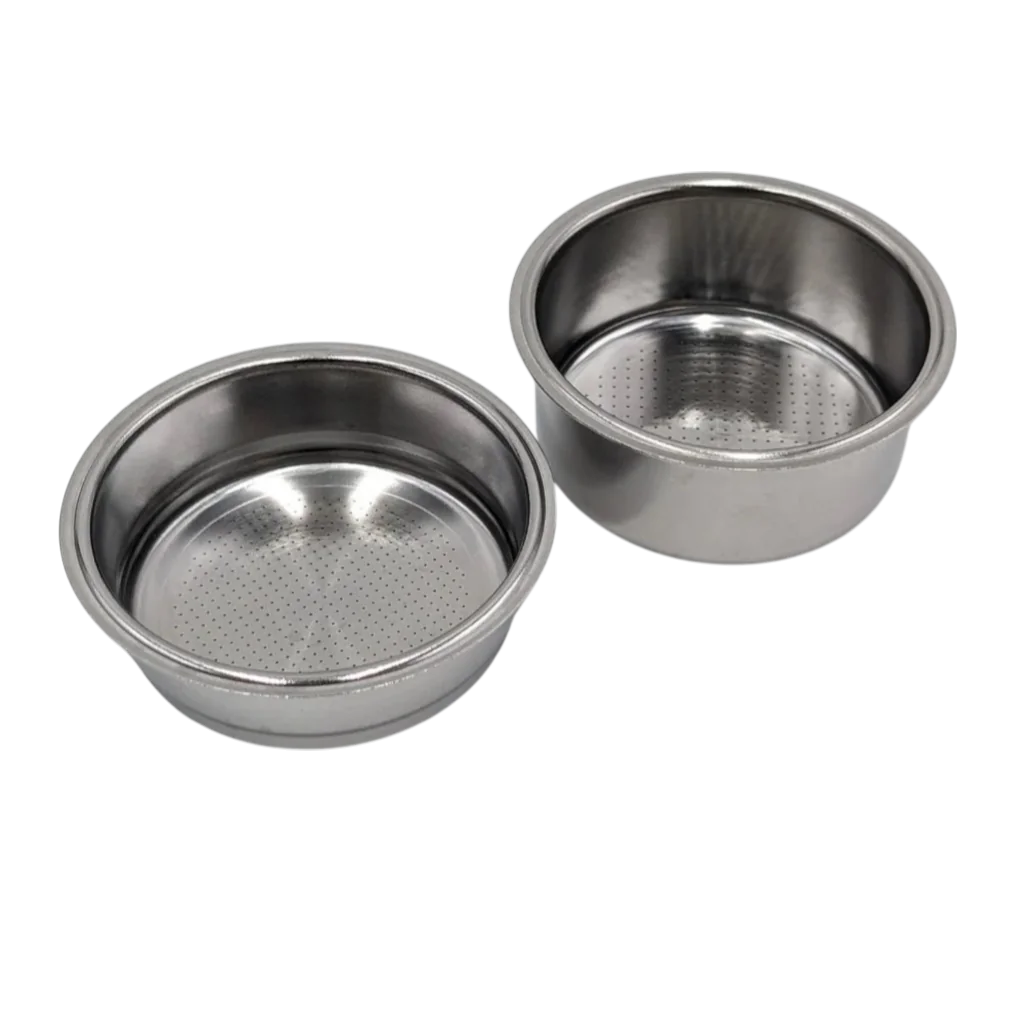
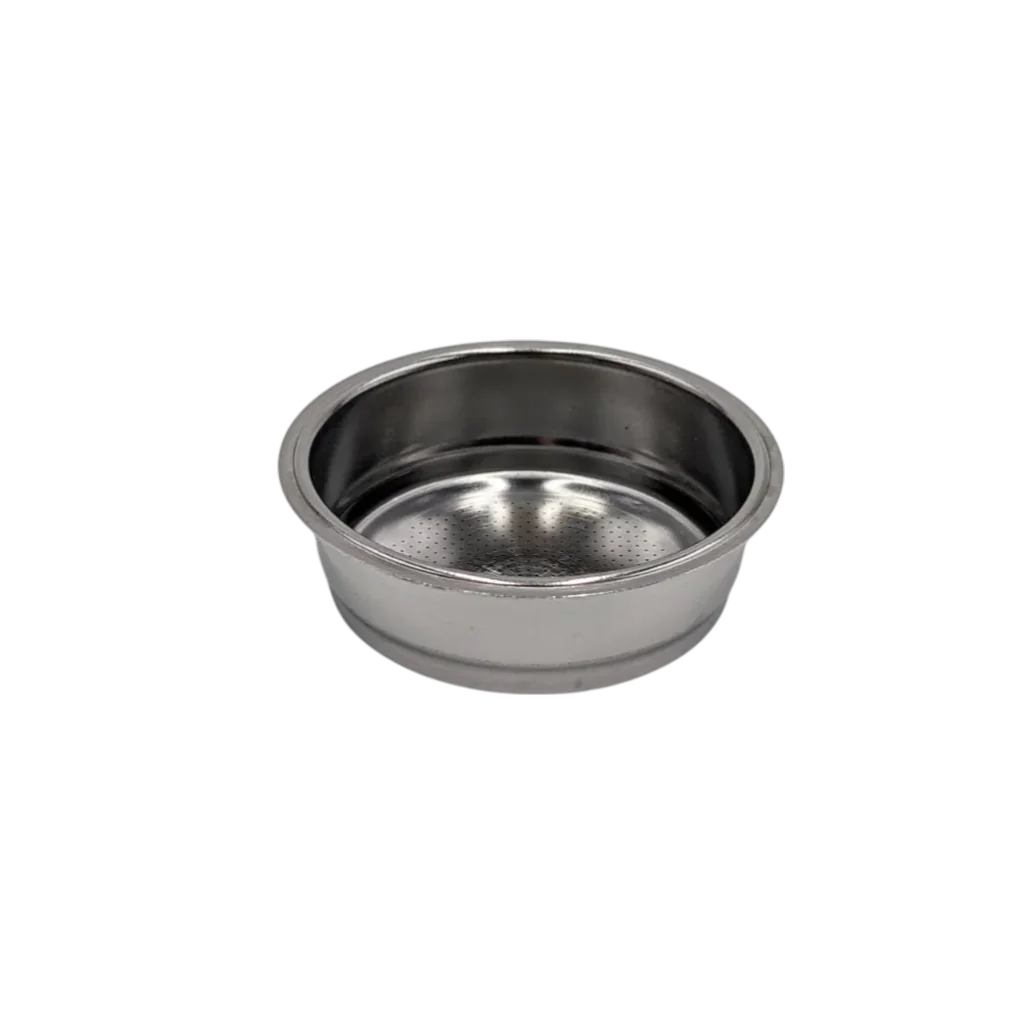
- Good baskets with 18 – 20 grams filling capacity also included.
Weaknesses:
- The steam boiler must always be heated, otherwise the heat exchanger principle of the machine will not work. Even if you only want to drink an espresso.
- A lot of unnecessary accessories.
- For Sage machines, the Dual Boiler has high power consumption. Sage can usually do better.
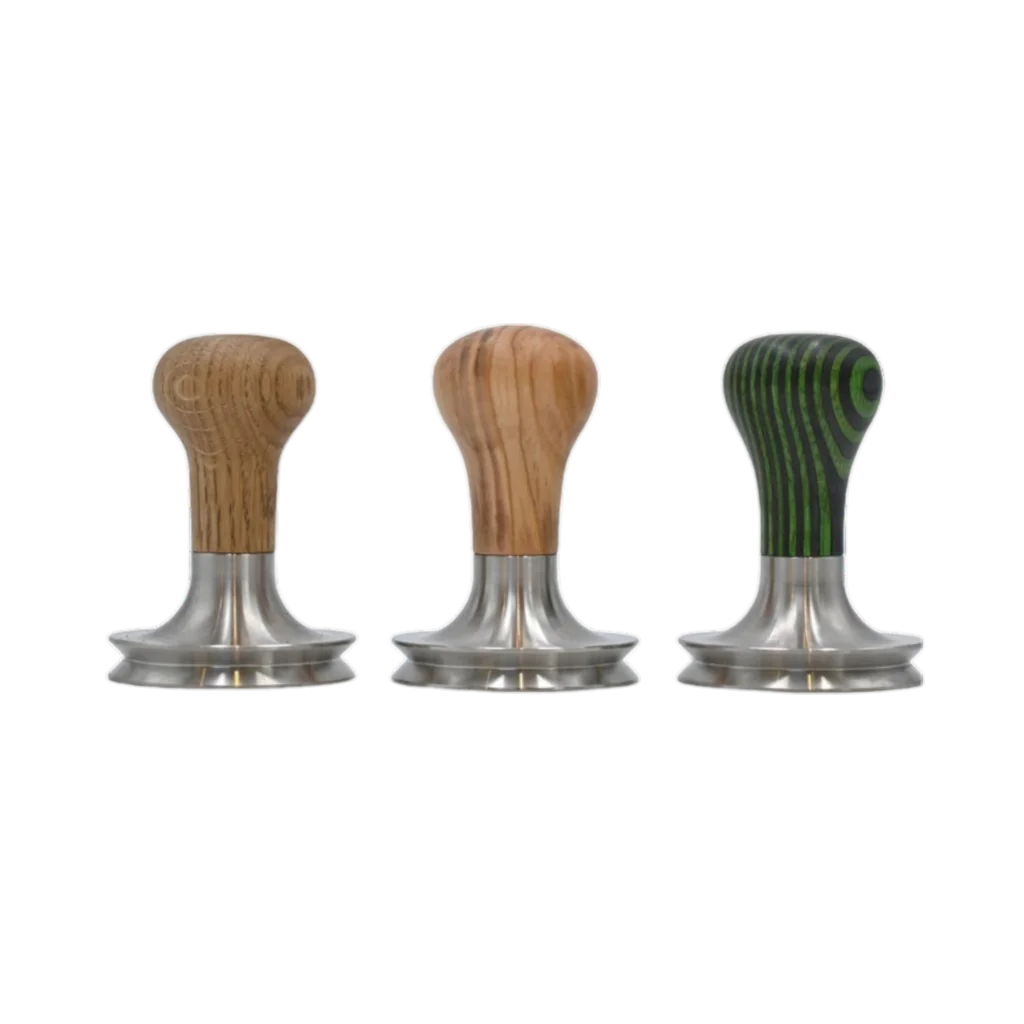
- The tamper does not sit flush. This is a pity, as it can be stored so well in the machine.
- The machine looks bulky, especially in width.
- At around 72 decibels, it is relatively loud. The rattling sound during the brewing process is also not pleasant to listen to.
Dual Boiler by Sage - Classification
As described above, the other Sage machines use a so-called thermoblock heater. The water for brewing espresso and for the steam for frothing milk is not brought to temperature in a boiler. It flows cold from the tank and is brought to the correct temperature in a continuous flow heater. Many of the machines also have an integrated grinder. This can be practical, but if the grinder is acting up or you want an upgrade, it's hardly feasible.
Now there's a dual boiler machine. The two boilers have a capacity of 0.45 liters (espresso) and 0.95 liters (steam pressure). A disadvantage of this combination is the slower and longer heating phase of the machine. Thermoblock heaters are almost immediately ready for use, boilers need to be heated up. This also makes power consumption slightly higher. The big advantage, however, is that the boilers are much more temperature stable once they are warm.
Now that Sage is venturing into the dual boiler market, some die-hard espresso machine purists might experience a bit of hyperventilation. However, we see it as our task to test every machine impartially and as neutrally as possible. After all, our goal is to recommend the most affordable and high-quality machine possible for espresso lovers that will make you happy for a long time, perhaps even as a beginner.
An affordable Dual Boiler
Normally, you would have to budget at least €1800 or more for a dual boiler machine. The Sage Dual Boiler, however, is offered by Sage for €1150 and on the large online platforms for around €1000. In Switzerland, it was even temporarily available for under 1000 Swiss francs. Nevertheless, we advise you to buy the machine from a specialist dealer if possible. Ideally, from a dealer who can measure your machine and help you with the initial settings.
Size and appearance
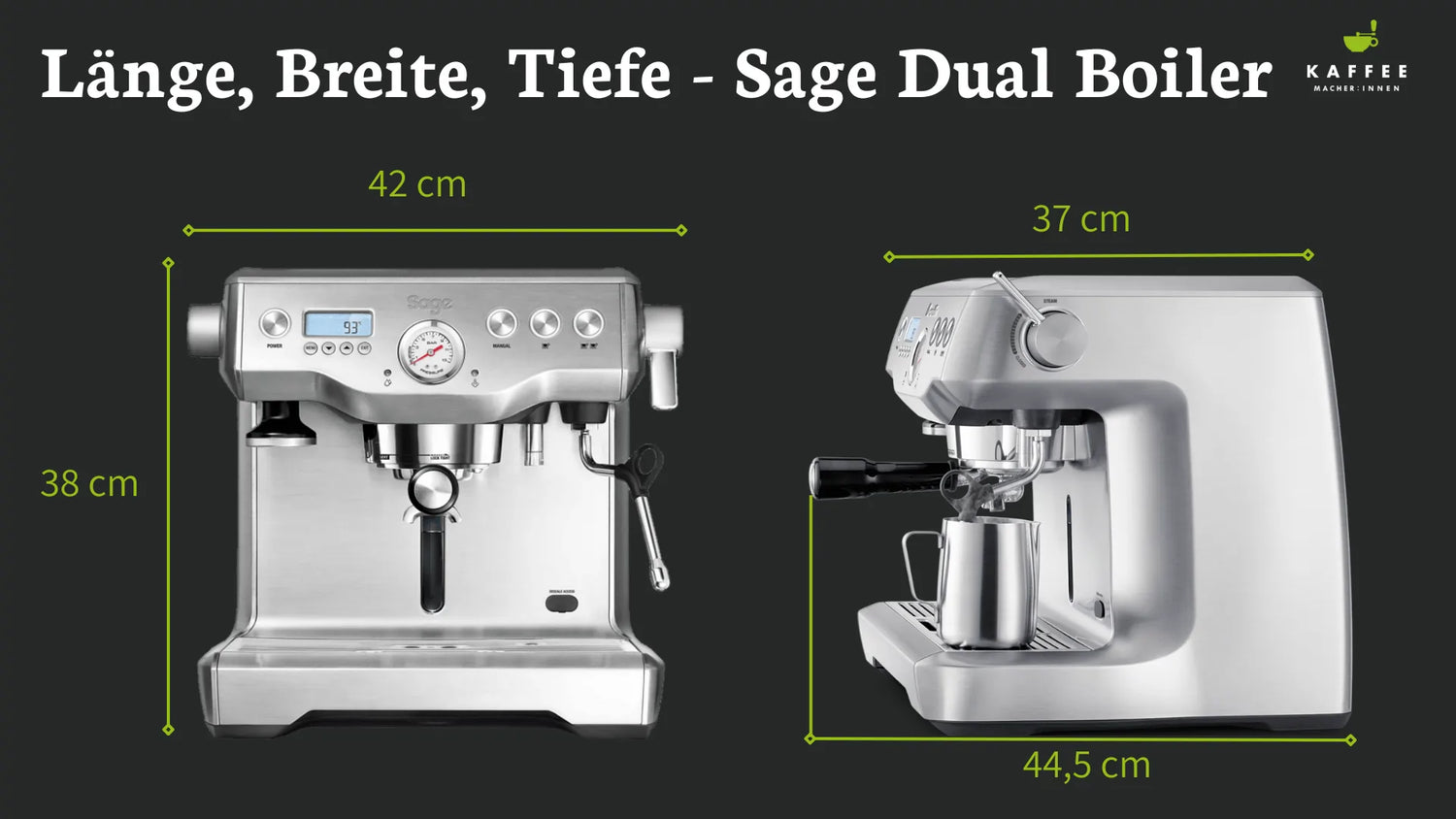
It is 42 cm wide (including the steam wheel) and 38 cm high. With espresso cups on the warming plate, we reach a height of 43.5 cm. Speaking of which. A good number of cups can fit on top. The Dual Boiler warms the cups pleasantly, so your drink doesn't cool down too quickly after brewing. The machine is 37cm deep, the portafilter protrudes a little further, so we measure 44.5cm including the portafilter. At 16 kilos, it stands very solidly and looks high-quality. The water tank can be filled from above or removed from the back. This is practical and well thought out.
The drip tray holds a maximum of 1 liter, even a little more if you are willing to risk an overflow when emptying. If the tray is removed, a small wheel becomes visible, with which the machine can be moved very easily despite its weight. Well thought out.
Temperature Curves Sage Dual Boiler

Energy Consumption

Espresso Preparation with the Sage Dual Boiler
Even if the machine indicates it's ready to brew a little earlier, you should give the Dual Boiler at least 8 minutes. That's how we were able to brew good espressos. It's best to do a flush shot after the heat-up time. Then the portafilter will also be at operating temperature. If you don't plan your espresso drinking times long in advance, but rather want to brew spontaneously and quickly after switching on, we advise you to set the machine 1.5 degrees higher via the PID control. This way you can be sure that a good brewing temperature will be reached even after a short heat-up time of the aforementioned 8 minutes. Especially with high-quality, complex and rather lighter roasts, you should pay attention to this high brewing temperature. Darker roasts can also tolerate lower temperatures.
We recommend grinding 18 – 20 grams of espresso powder into the supplied double basket. Grind fresh and espresso-fine, distribute, tamp, and insert. We always recommend double shots, as the quality of the drink is better and they are easier to adjust.
In our tests, we always aim for a brewing ratio of 18 grams of espresso powder to approx. 36 to 45 grams of espresso in the cup. The extraction time of the espresso should be about 25 seconds. Here you can, of course, experiment. Some espressos taste even better with longer extraction times. A lot of fine-tuning can also be done with pre-infusion, and a lot of flavor can still be extracted from the espresso.