






When the Lelit Mara X hit the market, it made quite a statement. The machine interestingly combined the classic heat exchanger concept with features that went beyond the norm. With the Mara X3 and its flow rate control, Lelit is building on that foundation. After years without major innovations from Lelit, we at coffee trade shows would regularly joke that a new paint job or color was being presented as an innovation. Now, the company is reconnecting with its spirit of innovation.
With the Mara X3, Lelit delivers a flow control lever that brings genuine flow profiling into the proven heat exchanger architecture. We purchased and tested the machine. In this review article and our videos, you'll find out whether the Pagaia lever justifies the 500-euro surcharge over its predecessor.
Design & Build: Wood, paint, and an honest weakness
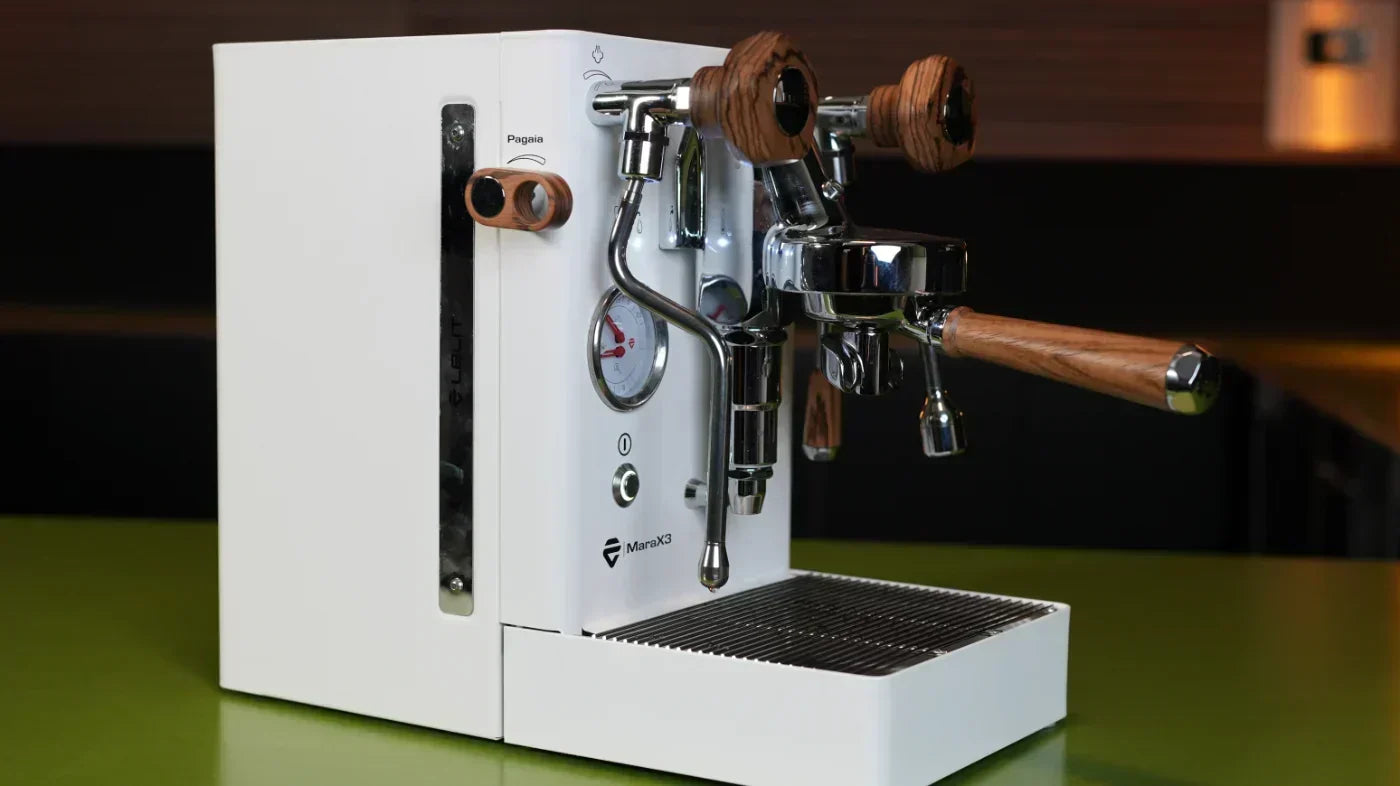
The Mara X3 comes in this version with a painted housing, and that is no minor detail. The paint finish eliminates sharp edges, gives the outer wall a certain rigidity, and makes the machine look higher quality than its raw sheet metal siblings. Nevertheless, honesty is required: if you remove the drip tray, you notice that the metal is thin. Bending is easily possible. This could be solved with a more stable construction.
What is truly a joy is the portafilter. The classic Lelit portafilter with the coffee spout design, which allows the espresso to run openly to the front, is simply a beautiful piece of craftsmanship, and perfect for videos anyway. And then, of course, the lever itself: the Pagaia. It sits on the left of the machine, feels good, and is more precise to operate than it looks at first glance.
The water tank can only be removed from the top, which you should keep in mind during kitchen planning. The machine's dimensions: 22 cm wide, 35.3 cm high, 40.5 cm deep without the plug. With the Pagaia and cable, you reach about 26 cm in width and 47 cm in depth, which fits well on a standard 60-cm work surface. The weight is 18.3 kg.
Quality: 7.6
Buying the Lelit Mara X3
🛠️ Recommended source in Germany: Stoll Espresso *
*We look for specialized partners for you whom we know offer good work and good service. We are in close exchange with the retailers. These are affiliate links. If you order via this link, it costs you no more, but we receive a small commission, which we put into new test equipment.
Technology & Heating Time: 24 minutes of patience, please
Technically, the Mara X3 is a classic heat exchanger with a 1.8-liter boiler and 1,800 watts of heating power. The E61 brew group is permanently supplied with warm water via a thermosyphon principle. There is no PID in the actual sense. Instead, the rotary switch on the side toggles between three temperature levels: Warm (88 °C), Hot (92 °C), and Extra Hot (96 °C). No offset, no fine-tuning, and the reference values are only somewhat accurate if you only make one pull. Because after the first pull, it goes downhill. But more on that in a moment.
What it has instead is a patented Xmode switch, which selects between brewing priority and steam priority. In brewing priority mode, the machine does not overheat after sitting idle. This is a real advantage over classic heat exchangers with Faema E61 brew group, which become too hot after long breaks. In everyday life, this means: turn it on, wait, pull a shot immediately, without a cooling flush beforehand.
How long to wait? We tracked the heating time exactly and measured it over and over. It takes 24 minutes to really bring the machine up to temperature. This is classic heat exchanger level. Anyone who needs a coffee quickly in the morning should use a power timer or switch directly to other heating technologies like thermoblock heaters.
In terms of power consumption, the Mara X3 uses 0.266 kWh for heating up plus one espresso. That clearly lands in the "High" range, on par with other E61 machines in this class. Leaving it on during the day and forgetting it would be a waste of energy. Turn it on in the morning, pull the espresso, turn it off, done.
Temperature: 5.4 | Heating time: 4.0 | Power consumption: 4.0

Espresso Quality: Good, if you give it time
This is where it gets exciting and complex. We measure the brewing temperature with the Scace 2 directly in the portafilter, according to our KM protocol with five pulls at one-minute intervals. The result is clear:
| Pull | Average value |
|---|---|
| 1 | 94.8 °C |
| 2 | 92.1 °C |
| 3 | 89.7 °C |
| 4 | 88.1 °C |
| 5 | 86.7 °C |
This is the typical heat exchanger characteristic: the first shot comes out with a good temperature. The second is still okay. From the third one on, it gets cold, which you also notice in the cup. In the WBC stress test with 14 pulls, we were at a temperature window of 7 °C, which we clearly rate as a failure in our testing. Catering or commercial use is simply not an option with this machine.
You can control this sharp drop if you give the machine two to three minutes between pulls. Then the drop is significantly less severe. Here, the Lelit Mara X3 does not differ from its sister machine without the Pagaia lever.
The Pagaia is the only, but massive innovation of the X3. The flow control lever electronically manages pump performance in real time. With the lever fully open, about 6 ml/s flow through the brew group. In the "10 o'clock position" of the lever, you reach about 3.5 ml/s, which is a sensible starting position for pre-infusing the coffee puck.

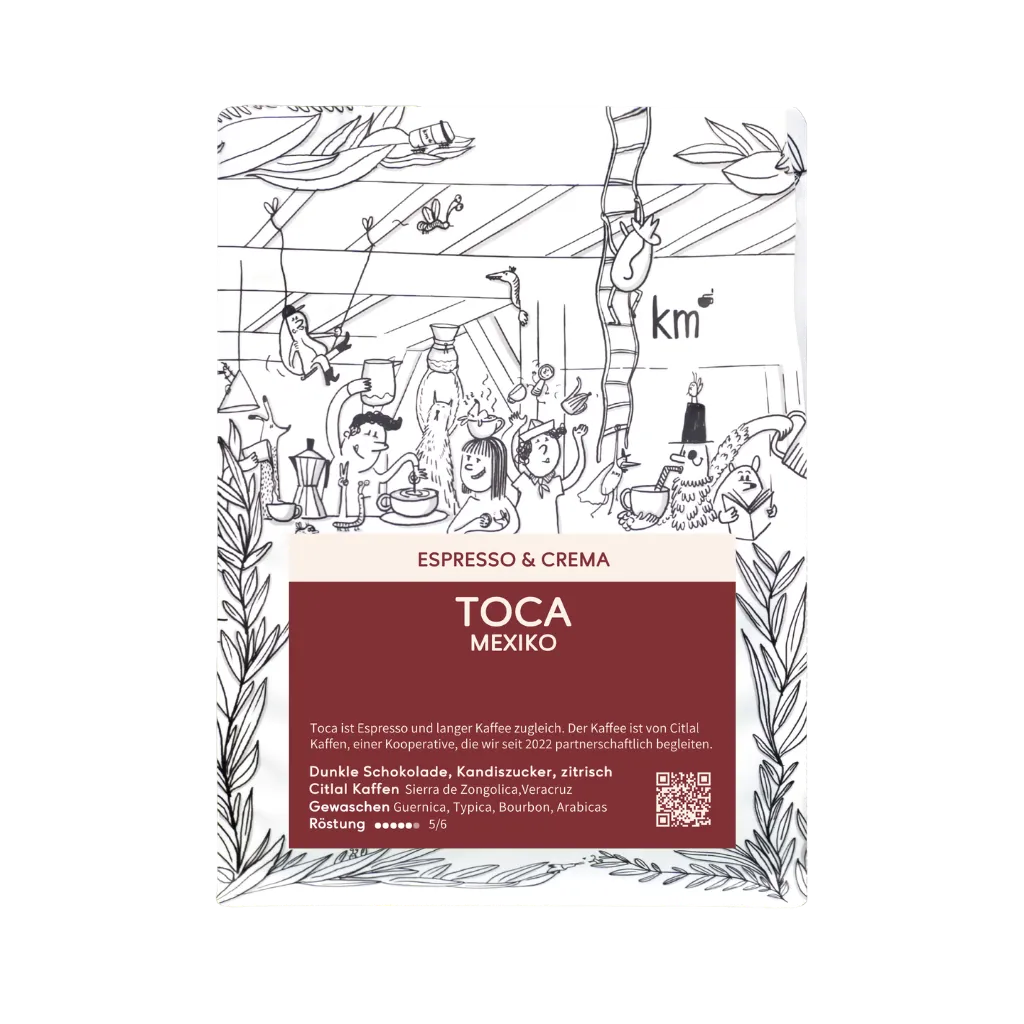
We tested this over and over and had fun with the control. Our Toca Espresso from Mexico brought its entire unique character into the cup. This is how we brewed it: reduced flow at the beginning, then full power, a total of about 40 grams in just under 30 seconds. The result was caramelly, creamy, with a fine orange zest and a long aftertaste. Truly good.
But: This is not automatically reproducible. You brew manually. You have to develop a feel for when the puck is fully saturated and when you turn up the flow. This is fun if you are into this game. You can, of course, also set the lever to full flow and brew classically, like with any other heat exchanger.
The sensory evaluation by our panel: The technical potential is fully realized when the machine is brought into the correct temperature zone. Panel rating 2/2 points.
Espresso potential: 5.5
Milk foam & Steam: Pleasant, but no powerhouse
The steam wand is multi-directional, anti-burn, and equipped with a rotary valve. At the beginning, the steam wand releases approx. 5 ml of condensation water before actual frothing. This is little and pleasant. Heating 300 ml of milk from 8 °C to 60 °C takes 48 seconds, which falls into the "acceptable" category. The pitcher angle when frothing is at about 30 degrees, which indicates solid steam performance.
What the machine really can do: build a beautiful rolling phase. The heating is slow enough that you can incorporate air in a controlled manner, ideal for anyone who is just starting to froth. Anyone who froths regularly needs time between pitchers, as the pressure drops after several rounds.
The Steam Boost mode, which automatically raises the steam pressure to over 1.2 bar after every pull, is practical if you froth milk directly after an espresso. It should be noted, however, that with the brewing temperature, we automatically exceed the target temperature of around 93 degrees.
Frothing quality: 7.0
Workflow & Operation: Intuitive, but with blind spots
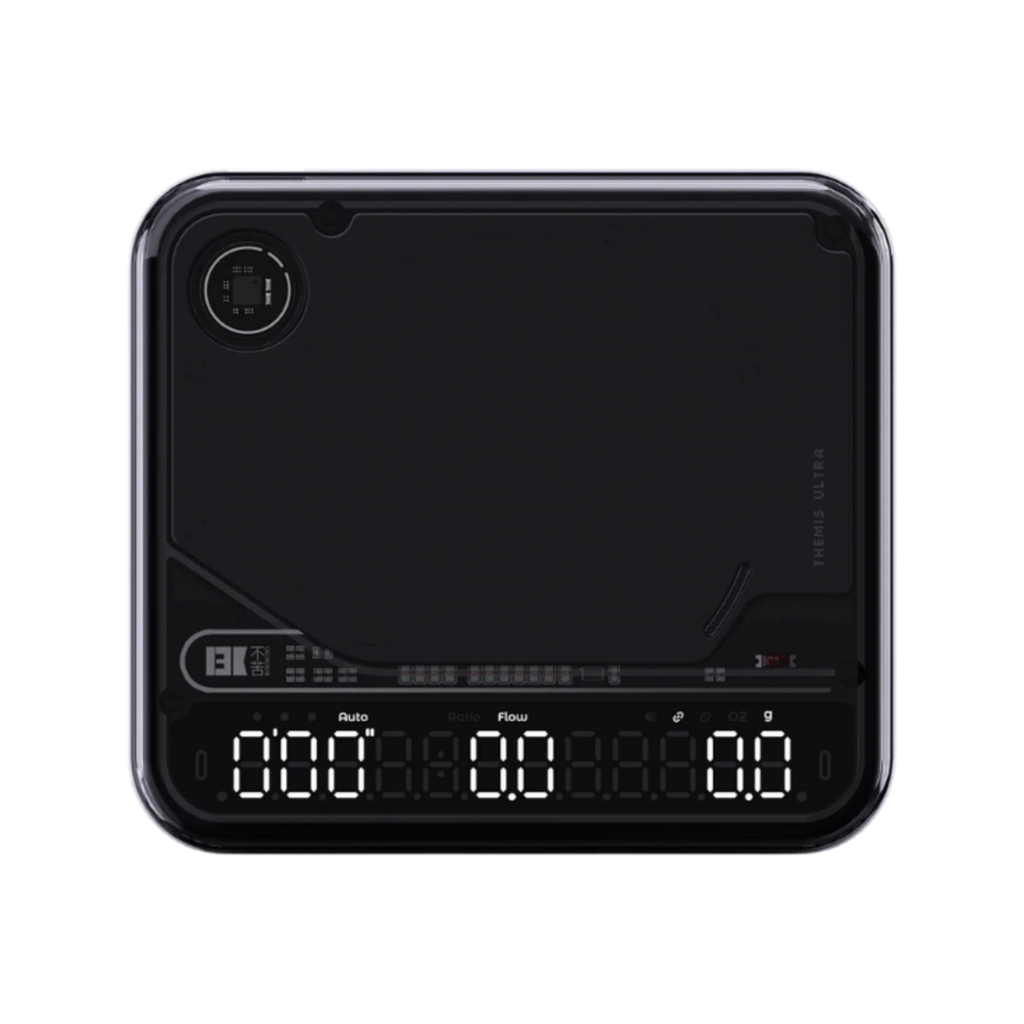
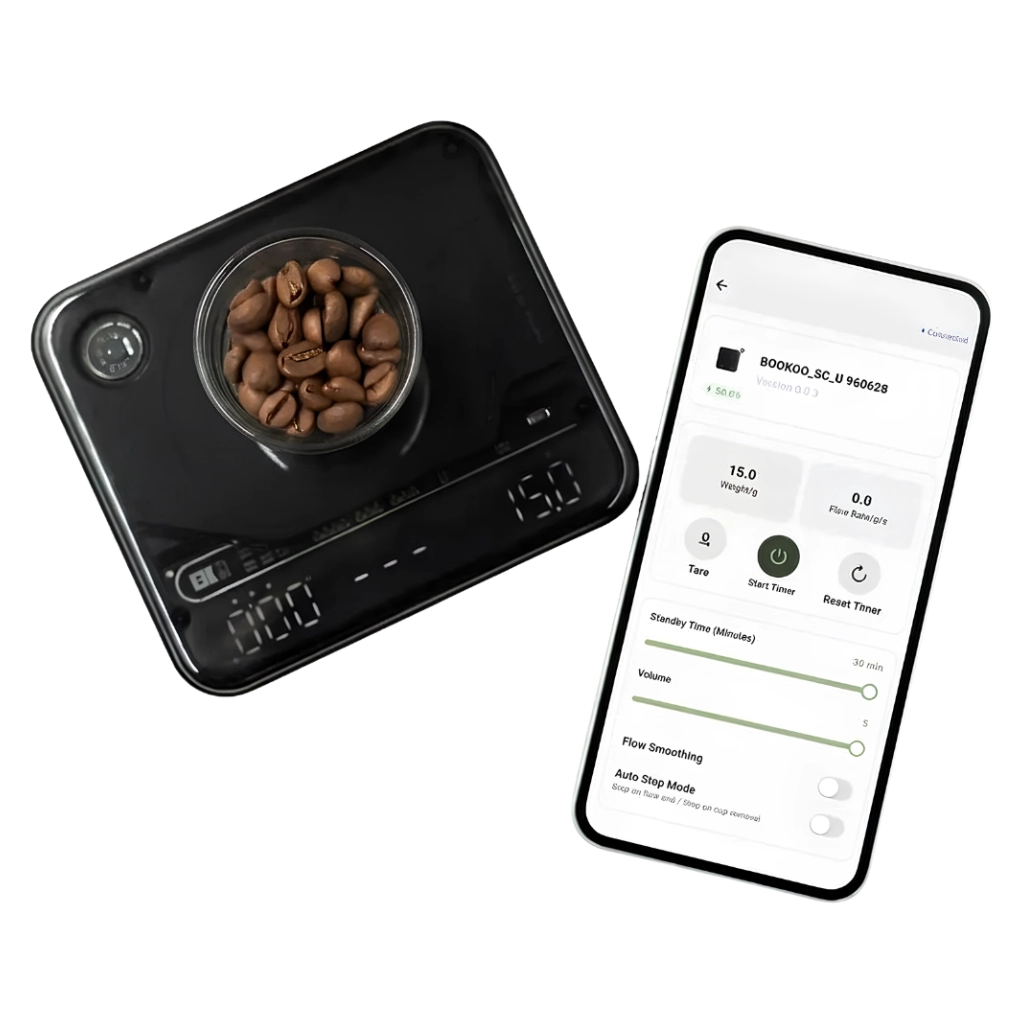
The Mara X3 is a machine without volumetrics, like almost all espresso machines with the Faema E61 brew group. You start the pull with the lever, you stop it yourself. Anyone familiar with this does it by scale or by visual estimation and a stopwatch. At least it works well with a scale and a small timer. Anyone coming from the world of fully automatic machines or volumetrically controlled machines will have to adjust.
The drip tray holds 700 ml, is easy to remove, and is well-dimensioned. The portafilter locks in smoothly. The water tank can be removed comfortably using the handles attached to the top, but only from above. Plan your under-counter kitchen design accordingly.
The included filter is a demineralization filter, not a decarbonization one. It protects your machine from scale but makes your coffee worse. From our point of view, it is unacceptable that Lelit still includes the filter holder for these filters. Unfortunately, other plug-in filters are not easily compatible with the Lelit system. You are therefore left with no choice but to filter separately or use bottled water.
Usability: 7.0
Accessories: The best package in the segment
In terms of accessories, Lelit scores 8.5 out of 10 points. The included tamper is precise and fits flush, which is not a matter of course in this price class. The baskets are made in collaboration with IMS and are solidly crafted. Additionally, there are single and double baskets, a blind basket, and a cleaning kit for the first start. Thanks to the portafilter geometry, you can use the single basket in the double portafilter and still brew into a small espresso cup. The spouts are so close together that it works. The only thing missing is a bottomless portafilter. Otherwise, top-notch.
Accessories: 8.5
Volume
64.2 dB(A) when measured in the studio, 20 cm distance at the height of the brew group. This is standard vibration pump level. Not annoying, but also not whisper-quiet. Anyone brewing with the Pagaia and reducing the flow at the beginning will hear the pump drop below 50 dB, a nice mechanical feedback during brewing.
Volume: 5.0
Compatibility with Coffee Makers accessories
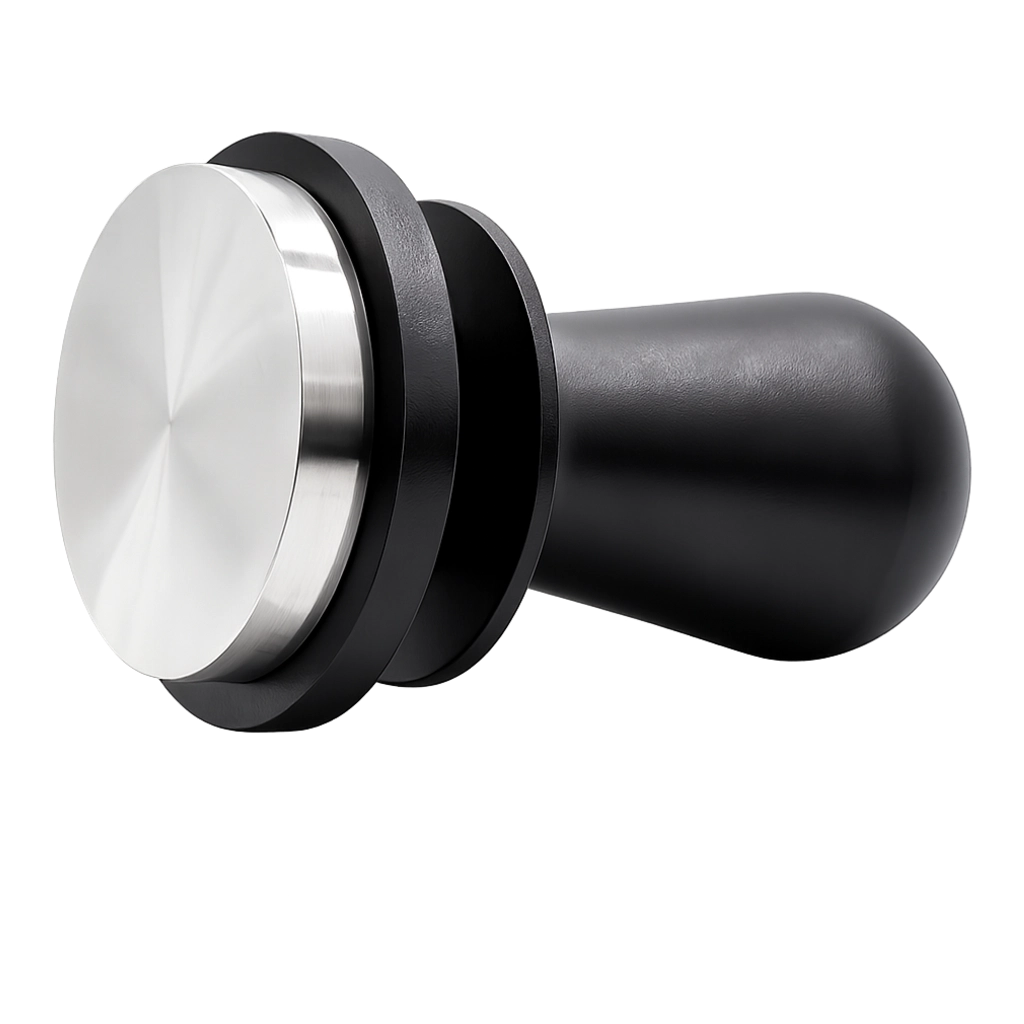
The Mara X3 works with a classic 58-mm portafilter on the Faema E61 brew group. Our KM professional basket and the KM dual spout portafilter fit this machine. Our KM tamper is designed for 58-mm baskets and also fits, although you are already well-equipped with the Lelit tamper. Our new pressure tamper might be interesting for you, though. Since no bottomless portafilter is included, we recommend our bottomless 58-mm portafilter. Especially those who profile the espresso with the Pagaia will benefit from the visual control.
Evaluation at a glance
Lelit Mara X3
Scale per category 0 – 10, weighted to an overall score of 0 – 100. How we rate and where the factors come from is in the test protocol v2.3.
Technical data at a glance
| Feature | Value |
|---|---|
| Price | 1,699 EUR / 1,699 CHF (RRP, as of March 2026) |
| Boiler type | Heat Exchanger |
| Boiler size | 1.8 liters |
| Heating power | 1,800 watts |
| Heating time | 24 minutes |
| Power consumption | 0.266 kWh (Espresso mode) |
| Brewing temperature | 94.8 °C (Pull 1), falling to 86.7 °C (Pull 5) |
| Pump pressure | 9 to 10.5 bar (vibration pump) |
| Max. flow rate | 6 ml/s |
| Water tank | 2.5 liters (removable from above) |
| Drip tray | 700 ml |
| Weight | 18.3 kg |
| Dimensions (W × H × D) | 22 × 35.3 × 40.5 cm (without plug) |
| Depth with plug | 47 cm |
| Width with Pagaia | 26 cm |
| Portafilter diameter | 58 mm |
| Distance portafilter/drip tray | 11.5 cm |
| Volume | 64.2 dB(A) |
| Fixed water connection | No |
| Eco mode | Yes (standby after 30 minutes) |
| Special features | Pagaia (Flow Control), Xmode (brewing/steam priority), 3 temperature levels |
Conclusion
The Lelit Mara X3 achieved 50.2 out of 100 points in our test, quality class Good / Standard. This sounds like mediocrity, but describes a machine with a very clear distribution of strengths and weaknesses, which is fantastic for the right person.
Strengths: The accessory package is among the best in the segment. The build quality is solid, and the paint finish makes the difference. The Pagaia is no gimmick; it opens up genuine profiling possibilities and makes brewing a craft experience. The steam workflow with an anti-burn wand and good rolling phase behavior is pleasant.
Weaknesses: The heating time of 24 minutes is long. The power consumption is high. The temperature drops quickly and significantly with multiple pulls. Three espressi in a row, and the third is too cold. As is often the case with Faema setups, there is no volumetrics, and unfortunately, a shot timer is also missing.
Who is the Mara X3 for? For someone who wants a heat exchanger machine, brings patience for heating up, and is interested in flow profiling. Anyone who loves the ability to intervene manually, wants to brew slowly, and likes to communicate directly with the machine gets something for 1,699 euros that does not exist elsewhere in this combination of price and flow control functionality.
Anyone who needs volumetrics, wants to brew the first espresso quickly, or regularly brews for several people: better look elsewhere. Perhaps save for four to five months more and reach for the Lelit Bianca. It has the saved low-flow mode, is hot in 17 minutes, and as a dual boiler, brings the temperature consistency that the Mara X3 lacks.
The price-performance score is 4.1. The machine is not cheap for what it delivers technically. But the lever, the accessories, and the fun of brewing make it interesting for the right person anyway.
 Appendix: WBC protocol