





The coffee world has been turned upside down since the Covid pandemic. Delayed shipments, high coffee prices, challenges for producers, traders, and roasters. Add frost and drought in Brazil to the mix, and nothing is as it was just a short while ago. This podcast aims to be a compass for everyone in the coffee industry to navigate through the coming months.
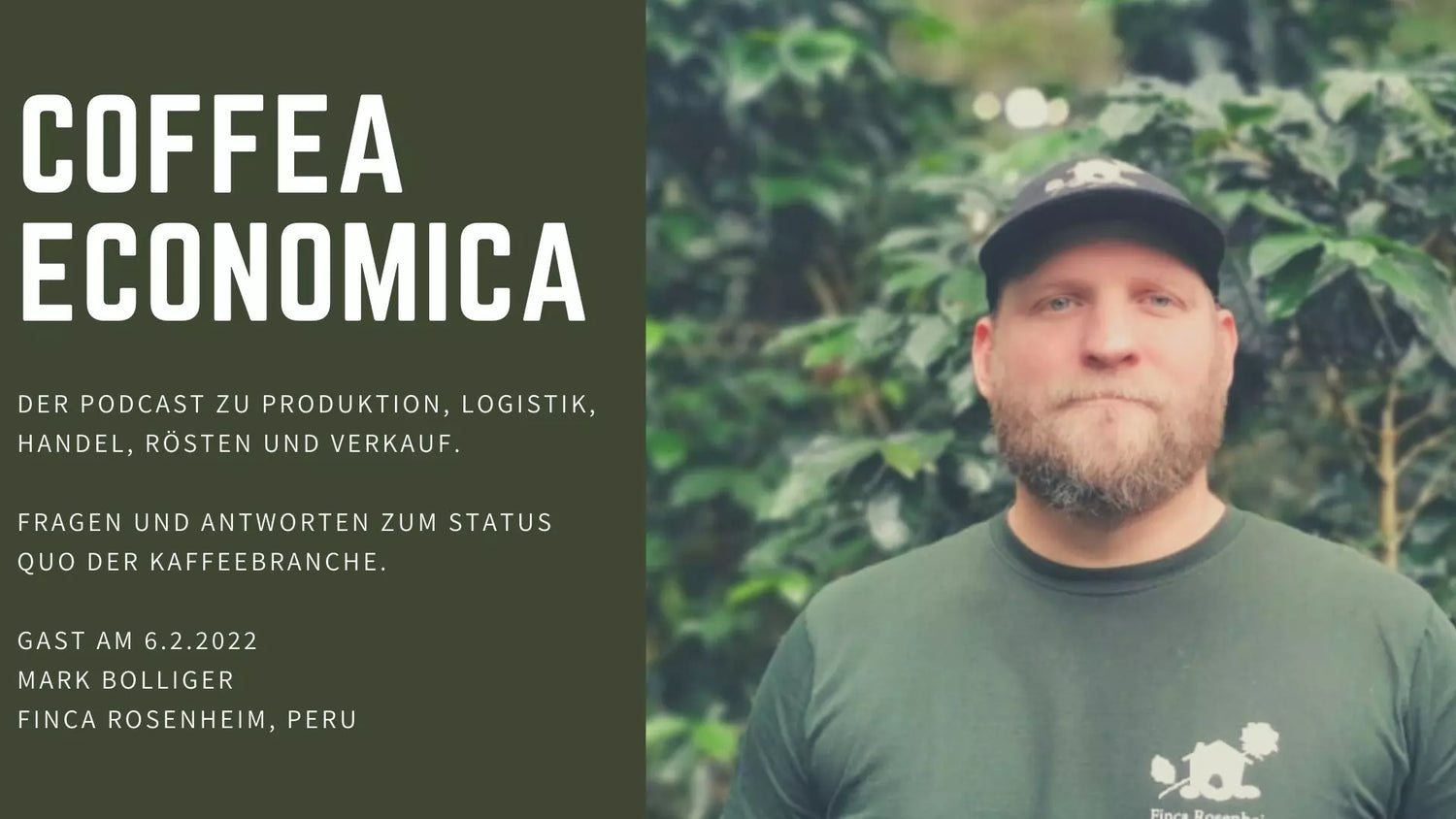
In this episode: Mark Bolliger, Finca Rosenheim, Villa Rica, Peru
In this special edition of our Kaffeemacher podcast, I speak with people who are analyzing the current situation, answering questions, and asking important new ones. Everyone working with coffee in any capacity is already feeling the changes, or will be within a few weeks at the latest.
In this episode of Coffea Economica, I speak with Mark Bolliger from Finca Rosenheim in Villa Rica, Peru.
Mark Bolliger, Finca Rosenheim, Peru
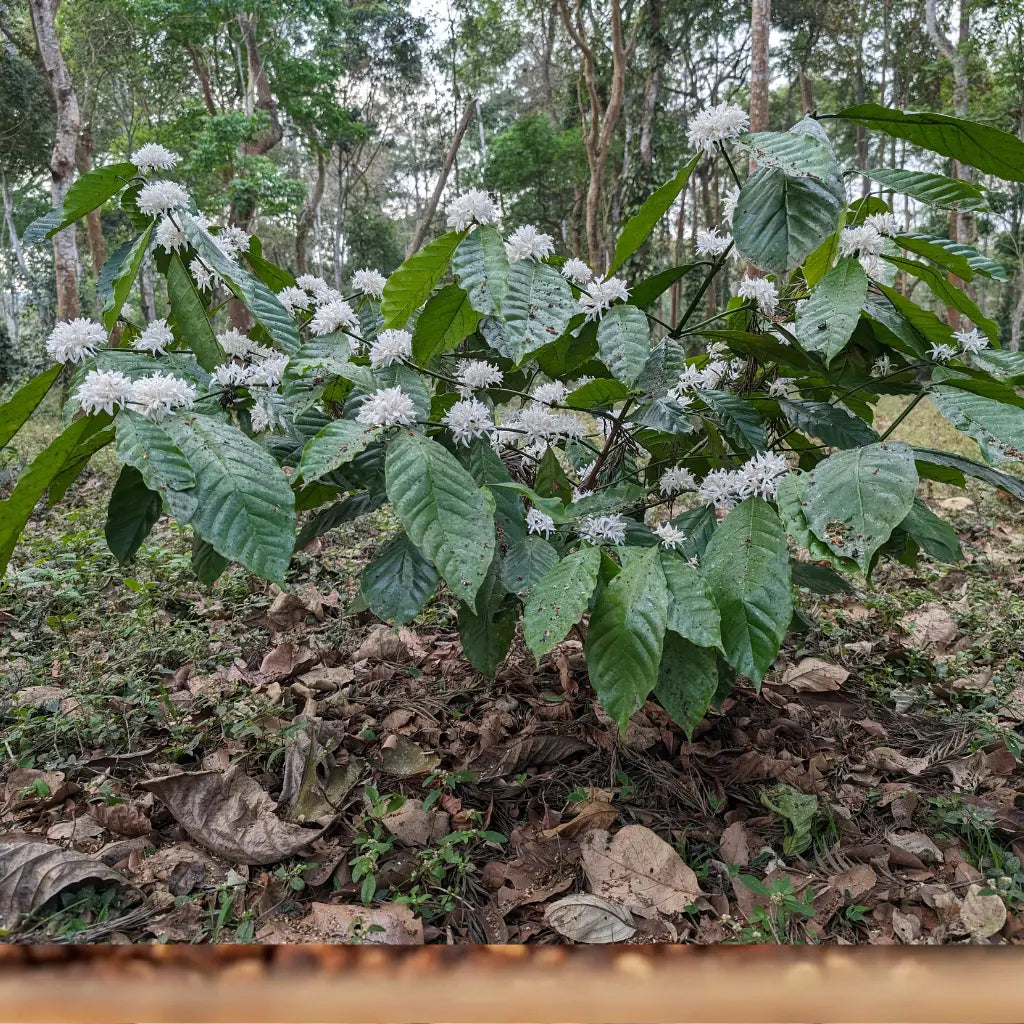
Mark Bolliger is a coffee producer in Peru and runs Finca Rosenheim. Mark talks to Philipp Schallberger about things that sometimes seem trivial to him because they are so commonplace—but for his customers, which include green coffee traders and roasters, this information is not self-evident at all. Coffee production is occasionally reported on in a romanticized way and, more often, in clichés. Mark talks about daily challenges, rising fertilizer prices, bad roads, and why he doesn't produce organic coffee.
- On organic coffee: "I make coffee for economic reasons. If someone were to pay me what I need for organic coffee, I would do it, and do it really well."
- "I often think about leaving coffee production behind. But I don't do it. Making coffee gets a hold of you. But I also don't want to get old and still be making coffee and having the same problems all the time."
- "Picking coffee is incredibly hard work. The people who do it well can earn good money. But there are other jobs here, and I have to compete with those jobs. I have to make the job attractive."