














The coffee market is in the midst of a price rally that has known practically only one direction in recent weeks and days: the steep path upward. Extreme weather conditions in Brazil and Vietnam, the global economic situation spinning out of control, the European deforestation regulation, increased coffee consumption in Asian countries, wars, Trump, speculators, diseases, fungi, too slow progress in plant research, and logistical bottlenecks have each contributed and continue to contribute their part. What does this mean for the relevant players along the value chain? Who profits and who loses? And what about our cup of coffee in the morning? We take a closer look.
The last 47 years
On November 27, 2024, the coffee price was at $3.26/lb. Per kilogram of green coffee, that's 7.17 USD/kg. That's 70% more than 11 months ago. It's been 47 years since there was a last record high of $3.11 per pound or $6.84 per kg of green coffee at the coffee exchange, the ICE Arabica Futures or also called "C price". Traders, roasters, and end consumers were subsequently able to profit for almost half a century from sometimes devastatingly low prices.
Producers were and are price takers. They had to accept the prices set at the commodity exchange in New York.
This precarious and difficult situation awakened the sense of justice in many, who in addition to focusing on quality also placed great value on the social aspect. Various certifications such as Fair Trade, Max Havelaar, or Bird Friendly were created to stand up for fair wages or promote a sustainable ecosystem. Increasingly, the focus shifted to partnerships with cooperatives or farmers themselves. "Relationship coffee" became the guiding slogan for ambitious and ethically-minded traders and roasters in recent years.
The pickers, producers, and cooperatives
Rarely and only sporadically was coffee a profitable business for farmers, producers, and cooperatives over the last five decades. Or put differently: it was a physically demanding, sometimes miserable business.
These fatal conditions in coffee production have been known for a long time.
The main answer was long sought in increasing production. Entire programs by traders and roasters were ramped up to support this technical development. But coffee production cannot be reduced to yield per hectare—otherwise, the increase in production per hectare would have had to work miracles. Systemic poverty in the coffee sector is still a reality and cannot be argued away even by well-sounding projects.
Pickers and producers
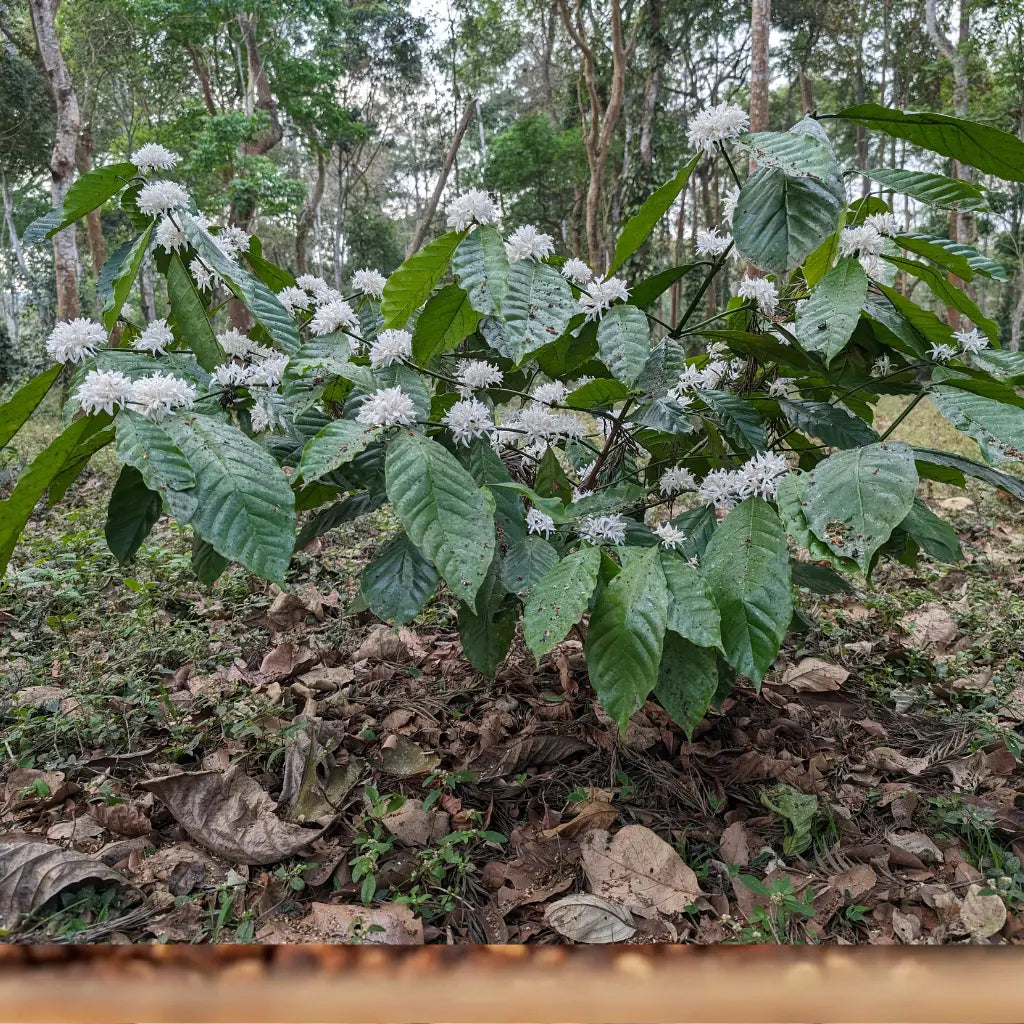
Self-employed coffee farmers such as Doña Maria may be able to benefit from the high prices. For once, producers can look toward the near future with peace of mind and can even select who they want to sell coffee to. A sustainably high exchange price could lead to fewer people emigrating from coffee-growing countries and leaving coffee farms, and people could actually earn enough working on a coffee farm. Here we're not talking about big money, but about income that covers costs and finances a living.

The cooperatives
For cooperatives such as Apas, the current situation with high exchange prices is an enormous challenge. They must find the balance between the interests of their members and obligations to partners. If farmers don't prove loyal and sell their cherries to other cooperatives or intermediaries, so-called coyotes, the cooperatives are left without coffee and may not be able to fulfill contracts.
The traders
In coffee trading, a distinction is often made between large, established coffee trading houses and modern traders, who are often associated with the still-to-be-demystified concept of Direct Trade. Both find themselves in difficult situations.
The coffee trading houses
Established traders often have rigid structures, which means they can respond little flexibly to extraordinary situations. Since they primarily purchase at the exchange, the price has a direct impact on profit margins. When the exchange price is low, their profit margin is higher. When the exchange price is high, their margin is correspondingly smaller. While they once generally had significantly higher margins on the product, these have been in lower territory for years, with profit only possible through high volume. The high exchange prices could completely eat away at this small remaining margin. Bankruptcies and takeovers are to be expected.
Modern traders
From the desire to treat people fairly and equitably and to shape the environment sustainably, many social intermediaries have formed over the last two decades. They see themselves as mediators between partnerships and thus lay the foundation for consumption with a clear conscience. Often, modern traders pay producers a fixed premium above the exchange price, which is meant to better cover the costs on a farm. Many also offer the possibility of supporting the calculation of various cost structures and calculating the expenses on a farm together with the farmers. Like cooperatives, modern traders are also in an ambivalent situation in the current environment. On one hand, the stated and fixed premium to the exchange is hardly affordable. On the other hand, there's the partner, perhaps a cooperative, who must pay the high price. The various relationships are currently being severely strained and tested.

The roasters
Medium and small roasters have experienced much momentum since the rise of specialty coffee 20 years ago and were carried along by the "Third Wave". Social coffee drinking in a trendy coffee bar became the new normal for many. One of the promises of specialty roasters was that through the consumption of carefully selected beans, sustainability would be promoted and producers would be fairly compensated—this struck a chord with the times.
Relationships with socially and sustainably engaged traders or directly with producers were built. Visits to coffee farms were on the annual agenda to have a direct influence on site and support projects. Many sealed their partnerships with a fixed price premium to the exchange price—like the modern traders mentioned earlier.
What happens next? What if the exchange price is significantly higher than what specialty roasters paid a year ago? What if there are no longer monetary incentives for producers to make high quality or organic coffee because the exchange price is so high?
The current situation challenges us all. As a roastery, we are currently having intensive discussions with our partners. We are trying to reduce our costs as much as possible and increase our efficiency so that we can respond more easily to the new coffee prices.
And as consumers?
The increased prices will have an impact—sooner or later—on the cup of coffee in the morning and roasted coffee in general. Coffee will become more expensive. Through careful selection and conscious consumption, consumers can also help support good coffee. Good here is not reduced to sensory aspects alone, but is equally tied to fair, just, moral, and environmentally conscious values. So let's buy coffee from roasters who place great value on what they do. Because coffee without values is worthless.