




If your espresso tastes sour, the reasons can be quickly remedied with the right knowledge and technique. Follow our guide to quickly find the causes of sour espresso.
You can find a detailed guide on how to prepare good espresso here.
Grind too coarse - adjust finer!
If the espresso shoots out of the espresso machine, then the grind is too coarse. The grind should be adjusted so that the coffee powder in the portafilter provides enough resistance to hold the brewing water at the right espresso time. In almost all cases, a good brewing time is between 22 and 28 seconds.
Only a few coffees require longer brewing times. If the coffee still tastes sour, it's worth trying even longer brewing times. Generally speaking: the longer we brew the espresso, the less perceptible acidity ends up in the cup.
Note: With machines with pre-infusion or slow vibration pump, a good brewing time is often between 25 and 30 seconds.
Beverage ratio: coffee to liquid
It is often underestimated what role the beverage ratio plays in the development of acidity in espresso. More coffee used to less water always leads to more acidity, especially with short and medium extraction times.
A good ratio of coffee to water in the espresso range is 1:2 or 1:2.5.
Applied to a recipe, this means:
- 1:2 ratio: 9 grams of coffee powder becomes 18 grams of espresso
- 1:2.5 ratio: 9 grams of coffee powder becomes 22.5 grams of espresso
In some cases, with coffees that have a lot of acidity, a 1:3 brew ratio is also an option.
Keep in mind: The more coffee used in relation to water, the more likely we are to have "under-extraction acidity." This acidity is always unpleasant!
Temperature - too cold is sour!
Temperature also plays a major role in extraction! We generally recommend a brewing temperature of around 93 degrees Celsius. Especially lower temperatures strongly emphasize the acidity of the espresso.

If your espresso becomes increasingly sour after a few months or years, it could be because the espresso machine is limescale-covered. Then descaling by a professional service makes sense. With some machines, you can also do this yourself.
To reduce acidity, it can also make sense to increase the brewing temperature, so above 93.
Coffee selection
With all changes to settings, it is very important: if the coffee itself already brings a lot of perceptible acidity, then we can only reduce the acidity slightly through grind or temperature changes. Therefore, choosing a coffee with less acidity makes sense.
There are some tips for selecting coffee with less acidity:
- Darker roasts have less acidity, but are often more bitter.
- Arabica leads to more acidity in the cup. Robusta is earthier, more robust and bitter, so acidity is not the focus. But be careful, especially low-quality Robustas often have "defective" beans, which in turn can taste unpleasantly acidic.
Our tip: try our Fine Robusta Mamy. Low acidity, lots of chocolate and body in the cup. And you also support a social project.
Habit
The influence of habit on the perception of acidity should not be underestimated. Those unfamiliar with acidity in coffee experience it as much stronger. Habit is an important factor in sensory perception!
This also means that after the first sip, acidity is particularly noticeable, which according to one's own experience doesn't belong in the coffee.
Actually, a certain level of acidity is an important component of good espresso. The English language is more precise here than German, as it distinguishes between "sourness" and "acidity." A certain complex and pleasant acidity is important for good espresso (as for wine) so that the coffee tastes balanced. Sharp and aggressive acidity (under-extraction) should be avoided. In this article we explore acidity in coffee in more detail.
It's worth engaging with acidity, even if the first sip initially seems sour and unpleasant, and tasting whether it's a positive or negative acidity. Afterwards, measures can always still be taken to counteract acidity in the coffee...
Fresh coffee
Too fresh coffee is also sour! This is due to the CO2 still present in the coffee, which in the cup leads to a taste of carbonation. This acidity counts among the unpleasant flavors in espresso. In addition, the bubbling of CO2 during extraction increases the likelihood of channeling, which promotes unpleasant bitterness and acidity.
Therefore: Espresso is ready to drink about 2 to 3 weeks after roasting and is at its best up to two months after roasting. This is why we also speak of a "semi-fresh product."

Bonus tips: Channeling
Even if all the previously discussed tips are followed, it can happen that unexpectedly unpleasantly sour cups occur. One reason could be channeling. Channeling means that the ground coffee was not distributed evenly in the portafilter. The coffee powder then does not provide even resistance either. Instead, there are areas of coffee in the portafilter that yield more to water pressure. Through these, water shoots through at high speed, while it flows too slowly through other areas.
We thus have on one hand areas with under-extraction, leading to more pronounced unpleasant acidity. On the other hand, bitterness from over-extraction in other areas is increased. Unpleasant acidity and unpleasant bitterness then together create a very poorly tasting cup. Enough to make you want to run away...
This is also why acidity and bitterness are often experienced together, sometimes mixed up, and then inappropriate measures are taken!
But the solution here is obvious. Prepare and tamp the coffee in the portafilter evenly and carefully.
Tip: Even though we present a brewing recipe of 1:2 with 9 to 18 grams in this article, we always recommend brewing a double espresso. The coffee amount of 9 grams is so small that it particularly provokes channeling with large 58mm baskets.
Recommended accessories
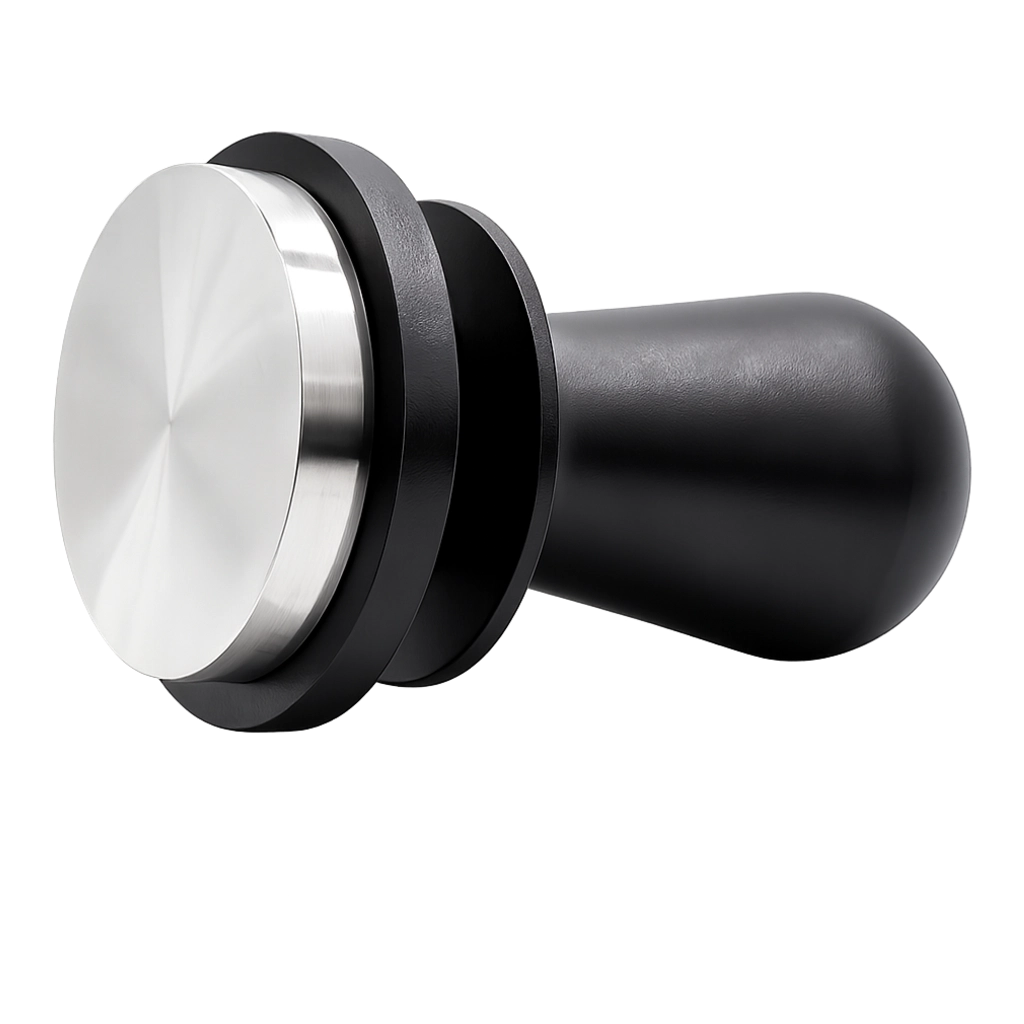
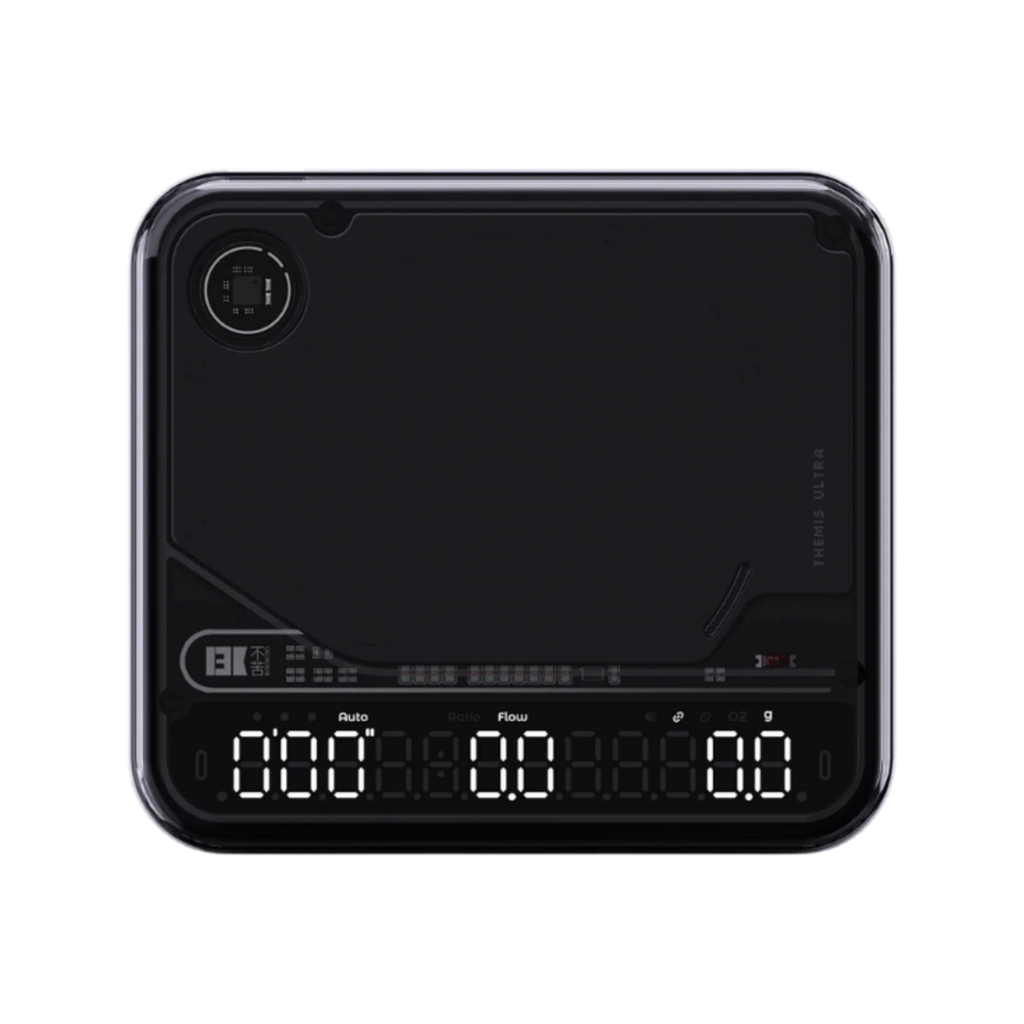
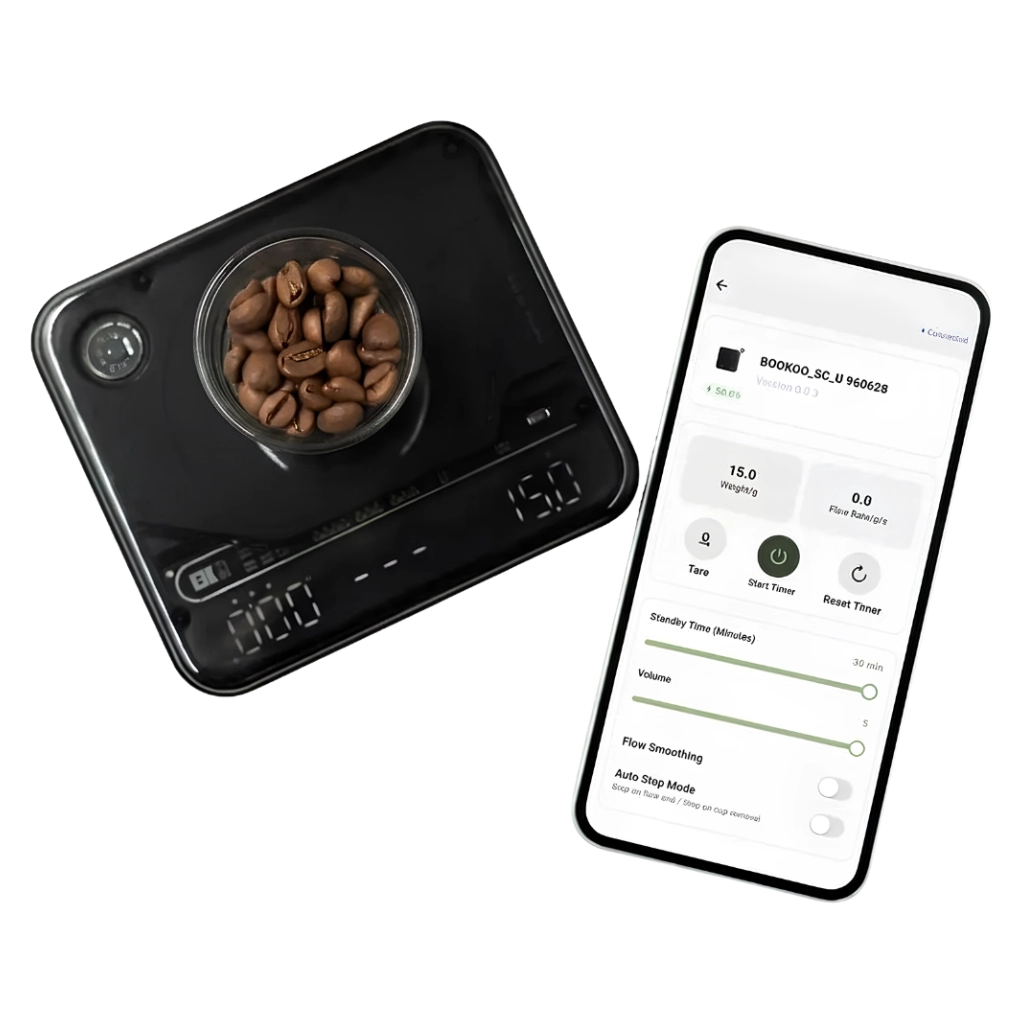
Good equipment such as baskets and tampers support you in brewing even extractions with less acidity and good results in the cup.