








We won the audience award at the Basel-Stadt Climate Award. Thank you for your numerous votes.
We were among the top 3 in the "Net Zero" category and were awarded the audience prize.
For us, this is the greatest honor! Sustainability is part of our company DNA. Since the coffee supply chain is complex and we are involved from cultivation to the cup, our approaches and strategies are also multifaceted. We are doing our best to contribute to a social-ecological transformation at all levels. We are all the more overjoyed that you, as our community, are accompanying us, appreciating our work, and helped us win this award.

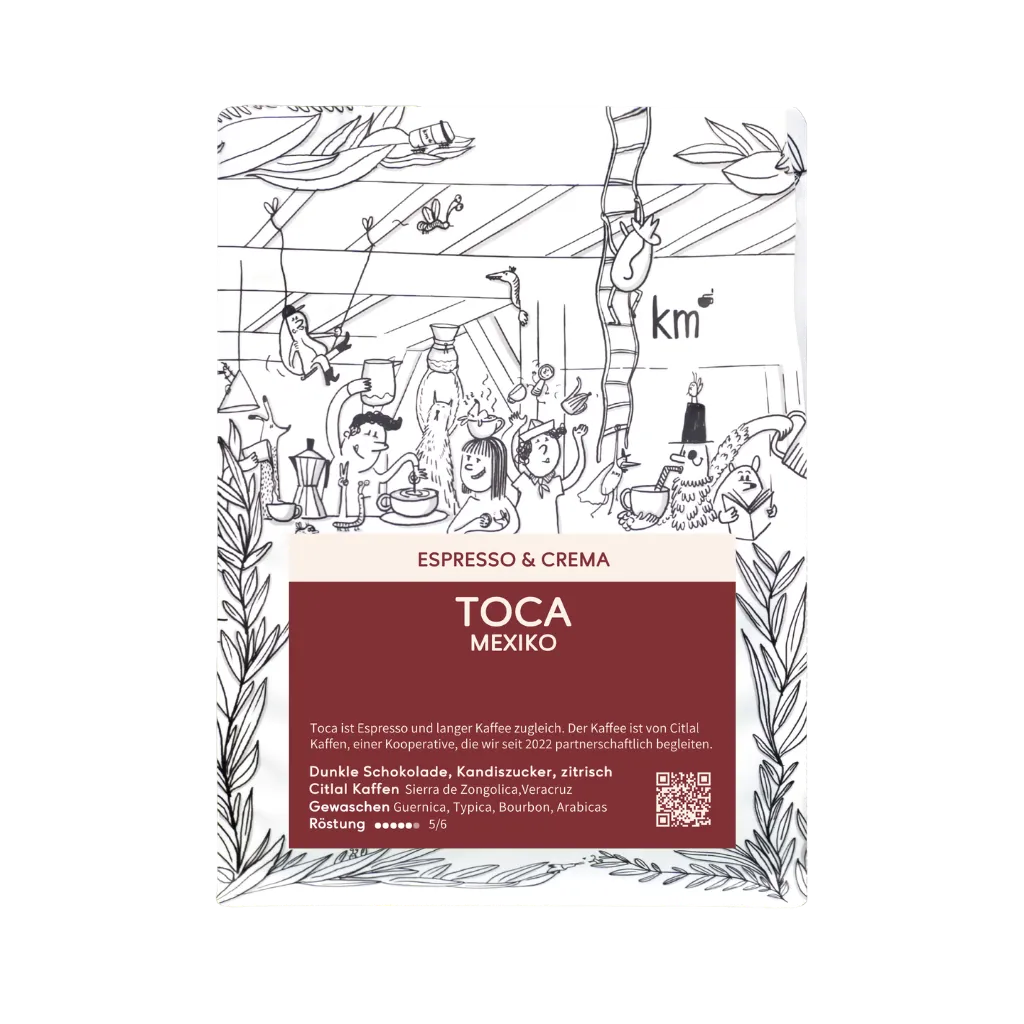
The festive awards ceremony for the Basel Climate Award took place in September, hosted by the Gewerbeverband Basel-Stadt. The audience award comes with 3,000 Swiss francs. We are investing the prize money in a micro-beneficio in Mexico, a joint project by the Esperanza group in Zongolica, who produce our Toca coffee.
Congratulations to all the finalists of the Climate Award and the winners in the "Net Zero" and "Circular Economy" categories, the Wyniger Group and Mycrobez.
If you would like to learn more about our work and approaches related to a sustainable coffee supply chain, you can find them at kaffeemacher.ch/nachhaltigkeit. Among other things, the various calculators that Tobias has developed over the last two years are listed there. With these, roasteries can calculate their footprint, and you can calculate the footprint of your preparation.
How we work
Sustainability is in our DNA as a company.
Sustainability is not a project, but our ambition to make the world of coffee a little better and thereby motivate others as well.
Since we are active throughout the entire coffee chain, we see opportunities everywhere to address structural and specific improvements.
We measure our emissions along the coffee chain and can now take precise measures to optimize environmental impact points.
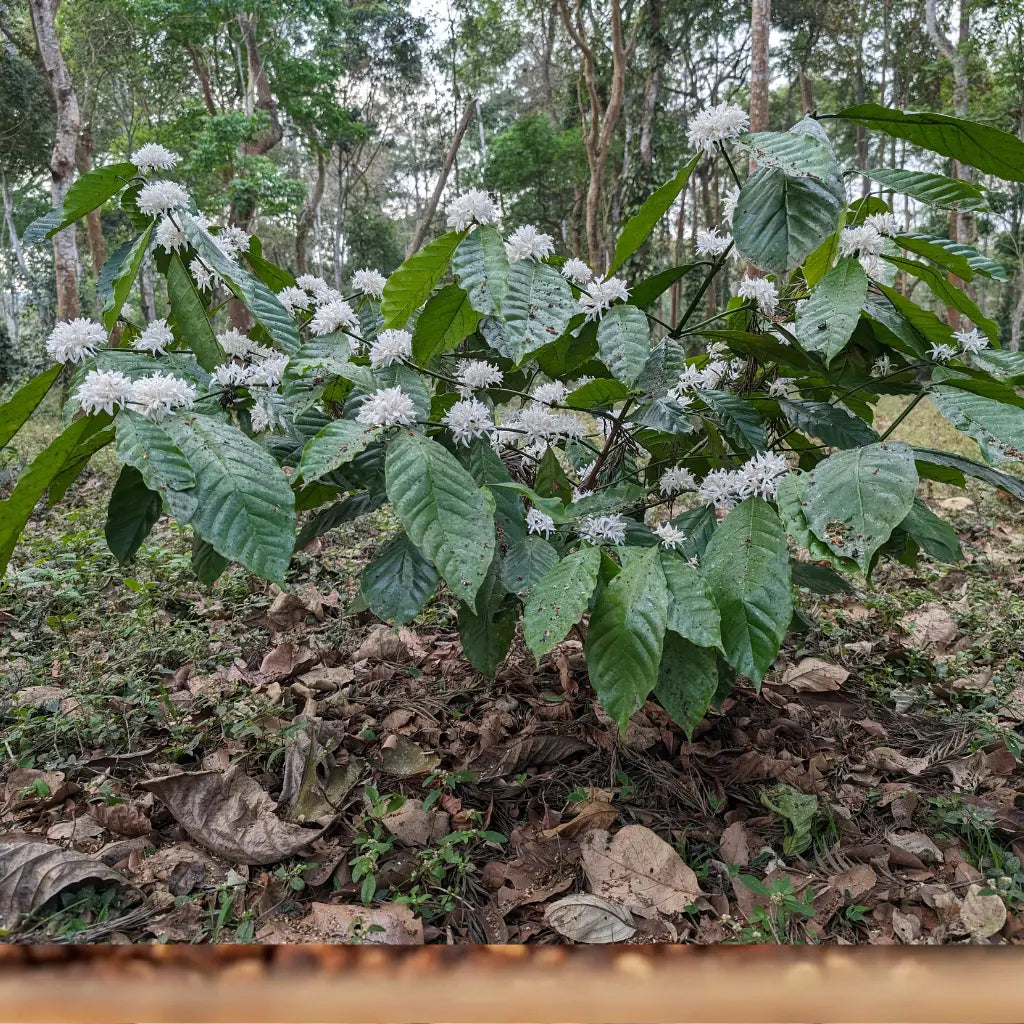
Coffee production serves as a lever here as the largest source of emissions - because when coffee is produced "well," production can even have a sequestration effect.
In our gastronomy at Café Frühling or the Kaffeemacher-Café at the Basel train station, we have always relied on local products and small-scale producers as much as possible and co-founded the first Swiss organic oat drink, Gutsch.
Here we provide a collected overview of how we work.
Our projects in the coffee sector
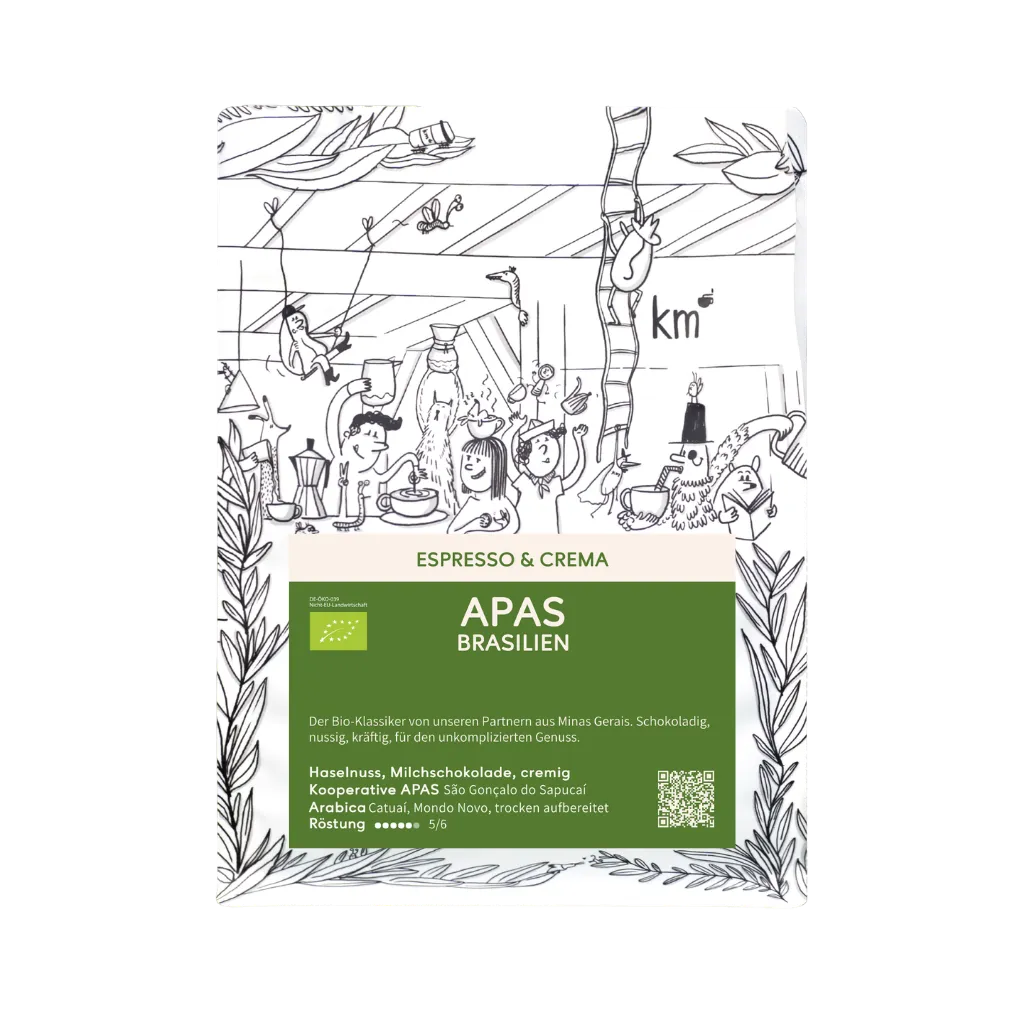
We have converted large areas to organic production with the Apas cooperative and have massively reduced fertilizer emissions. In the Toca project in Mexico, we are supporting a newly created cooperative on its path toward climate-friendly coffee. From Honduras and Brazil, we source biodynamically produced coffees, most of which are produced using agroforestry systems, while our Canephora grows in the rainforest of Guinea. By selecting our green coffee, we have a huge lever in determining how sustainably we can shape a coffee supply chain.