







Including Tips & Tricks
The best dual boiler machine for beginners. The Lelit Elizabeth PL92T competes for this title. Lelit has really put in the effort and their concept is working. The machine excels in many aspects, and it's clear that Lelit, as with the Lelit Mara X before it, is doing a lot right.
Lelit Elizabeth Quick Check
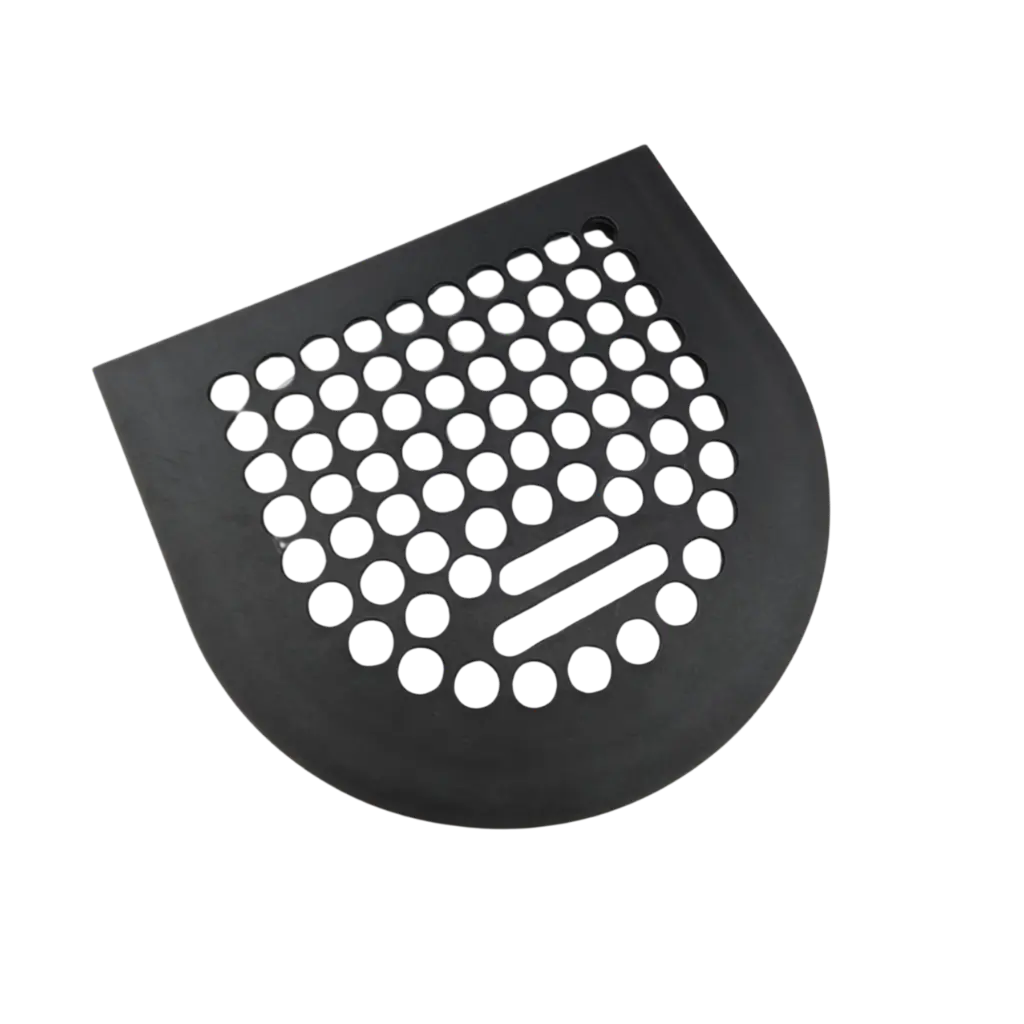
The machine features a rotary pump and comes with PID control. It also has a pump manometer. Measuring 32.2 cm wide, 38.2 cm high, and 26 cm deep, it weighs 12 kilograms. The drip tray can hold 1.4 liters, and the water tank 2.5 liters. The steam boiler has a capacity of 0.6 liters and can be switched off. A 0.3-liter brewing boiler is available for brewing. The machine is made entirely of brushed stainless steel.

Strengths of the Lelit Elizabeth
The Lelit Elizabeth offers all the advantages of a dual boiler machine at a very affordable price. Thanks to its two separate boilers, the machine can be set very precisely. Both the steam temperature and the brewing temperature can be precisely adjusted, contributing to an excellent taste.
A second major advantage is temperature stability. Once heated up, which takes about 20 minutes, it maintains its temperature very reliably. The heating process will be discussed in more detail shortly. Power consumption is also low at 0.13 kWh for 5 espressos including heating, or 0.24 kWh with the steam boiler switched on. Many other dual boiler machines have higher values. The Lelit performs well here. Speaking of the steam boiler, the steam performance of the Lelit Elizabeth also impresses us.
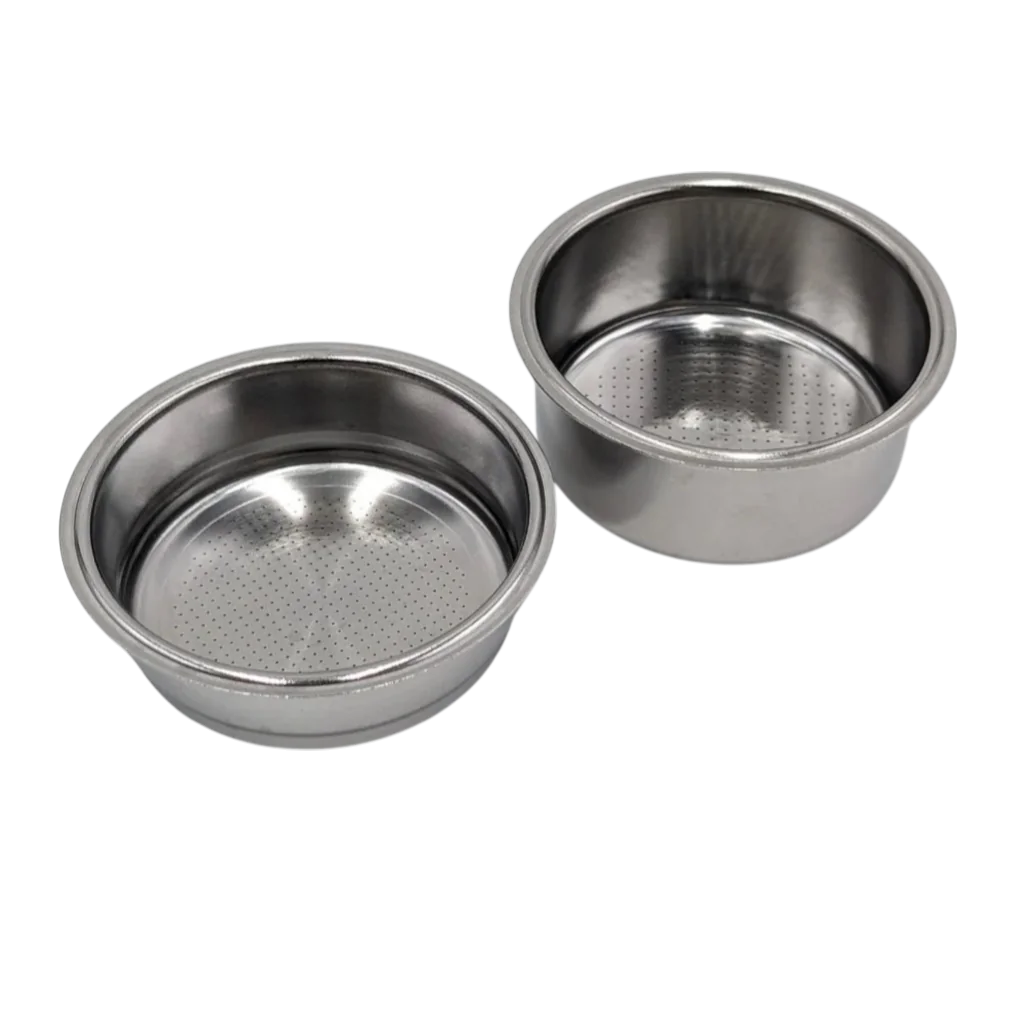
The shot timer is very practical and displays the extraction time of the espresso. The clear LCC (Lelit Control Center) is complemented by programmable buttons where you can set up flushing or a cleaning program. The included filter baskets are decent and do not need to be upgraded.
Weaknesses of the Lelit Elizabeth
During extensive testing, we noticed some weaknesses in the machine that, despite its many strengths, should not go unmentioned.
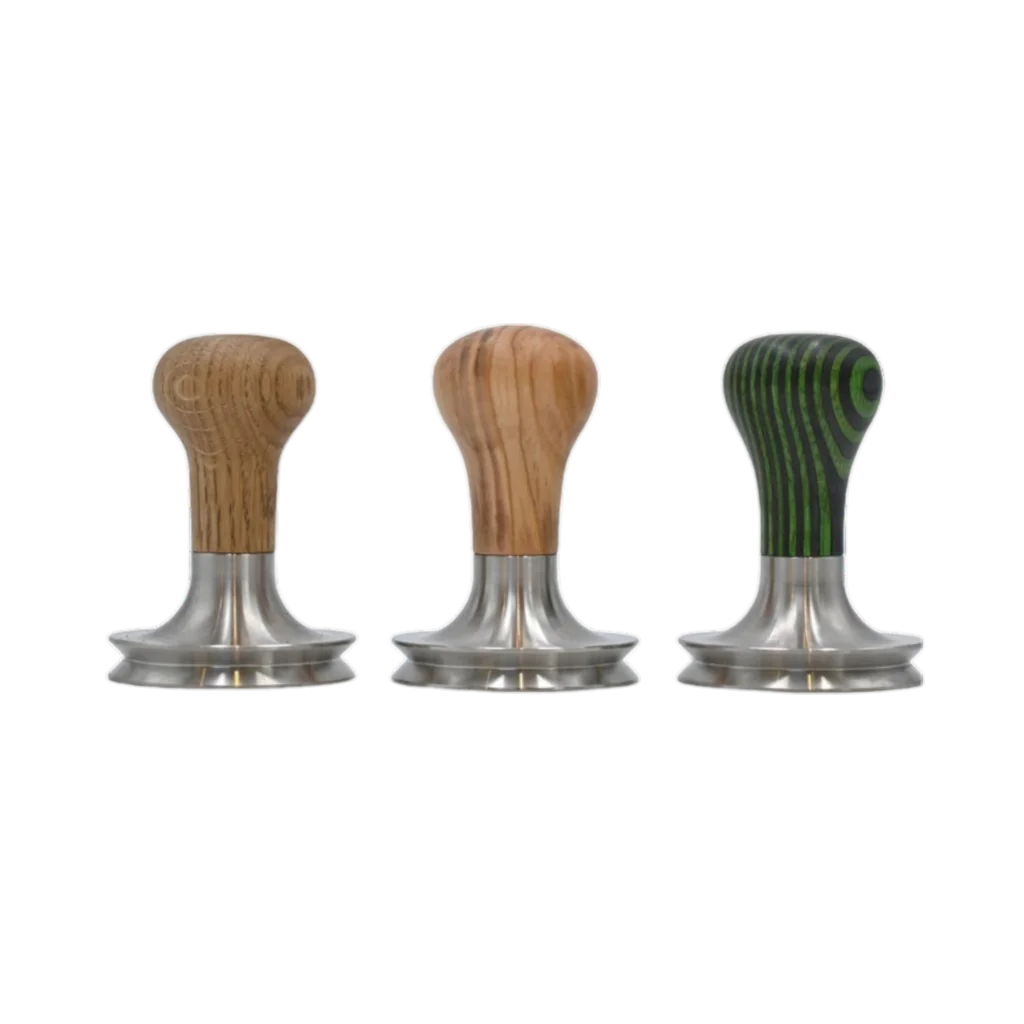
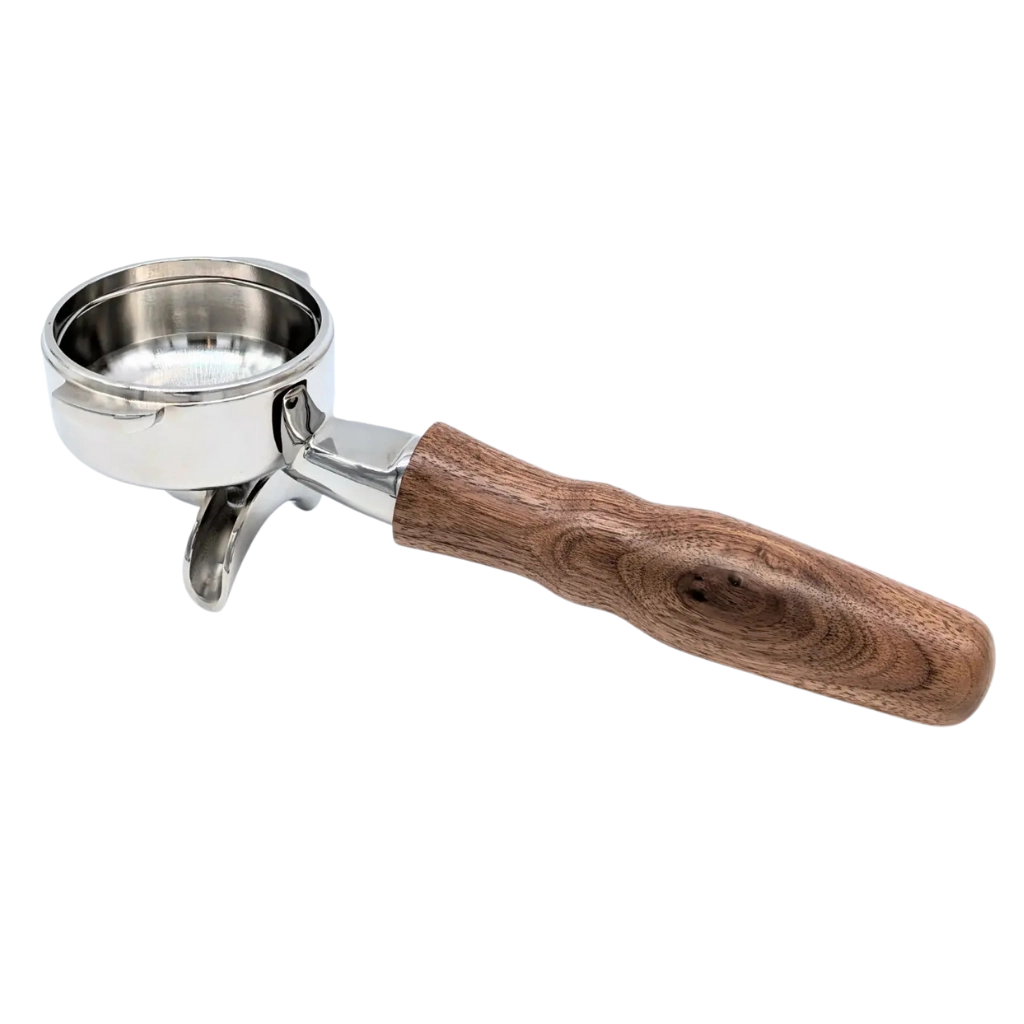
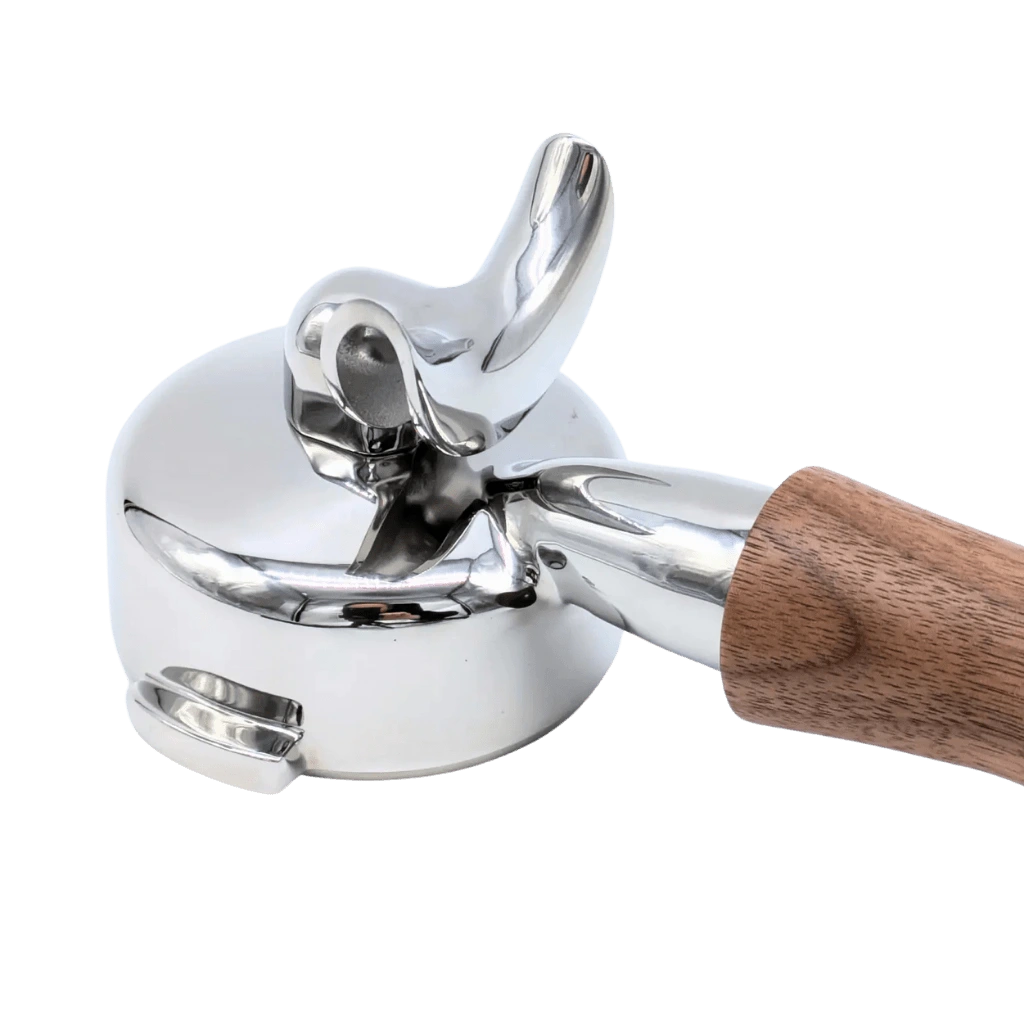
The stainless steel body feels a bit thin and therefore not as high-quality as with other machines. There are some spots that even have sharp edges. This is not very pleasant and can lead to unpleasant cuts. The portafilter is also not entirely successful. The handle is made of plastic and not really well balanced. The steam knob is made of plastic and also doesn't feel truly high-quality. The plastic tamper can be discarded immediately after unboxing.
When the water level in the water tank is low, the machine becomes very loud. The water in the tank is drawn not from below, as with the Mara X, but from above via hoses. This feels like an outdated system and is not well thought out.
The machine's heat-up time is about 20 minutes. Although the machine indicates readiness earlier, according to our measurements, it is still too cold at that point. It's important here that you know your machine well and develop a feel for when it's ready to go. The machine's buttons sometimes don't respond well, so there's still room for improvement.
Heat-up Time
We measured precisely and considered everyday situations the Lelit Elizabeth would face. The machine indicates readiness for the first espresso shot after just 10 or 15 minutes. However, the PL92T is not actually ready then. We recommend waiting at least 20 minutes. According to precise measurements based on the WBC protocol, it seems to us that the truly optimal operating range of the machine is reached after about an hour. It appears to be designed for long periods of use, perhaps in a small cafe or for catering. But for home use, this seems rather out of place. Who turns on their machine an hour before brewing? If you don't want to preheat the machine for so long, you should set the brewing temperature in the LCC about 2 degrees higher; then, according to our measurements, it will achieve a good, solid value even after 20 minutes of preheating. The LCC really makes sense here, and in combination with the PID control, you can make a lot of fine adjustments.
Pre-infusion and Espresso Quality
The machine delivers good espressos. As described above, however, they become even better if you keep an eye on the temperature and set the machine a little higher for shorter heat-up times.
Pre-infusion can also be adjusted. With the steam boiler on, we can use the steam during pre-infusion to apply gentle pressure to the coffee puck for 3 to 20 seconds. Another option is to set a "Blooming Pre-infusion." The coffee puck is briefly wetted with water, and then brewing continues after a short pause.
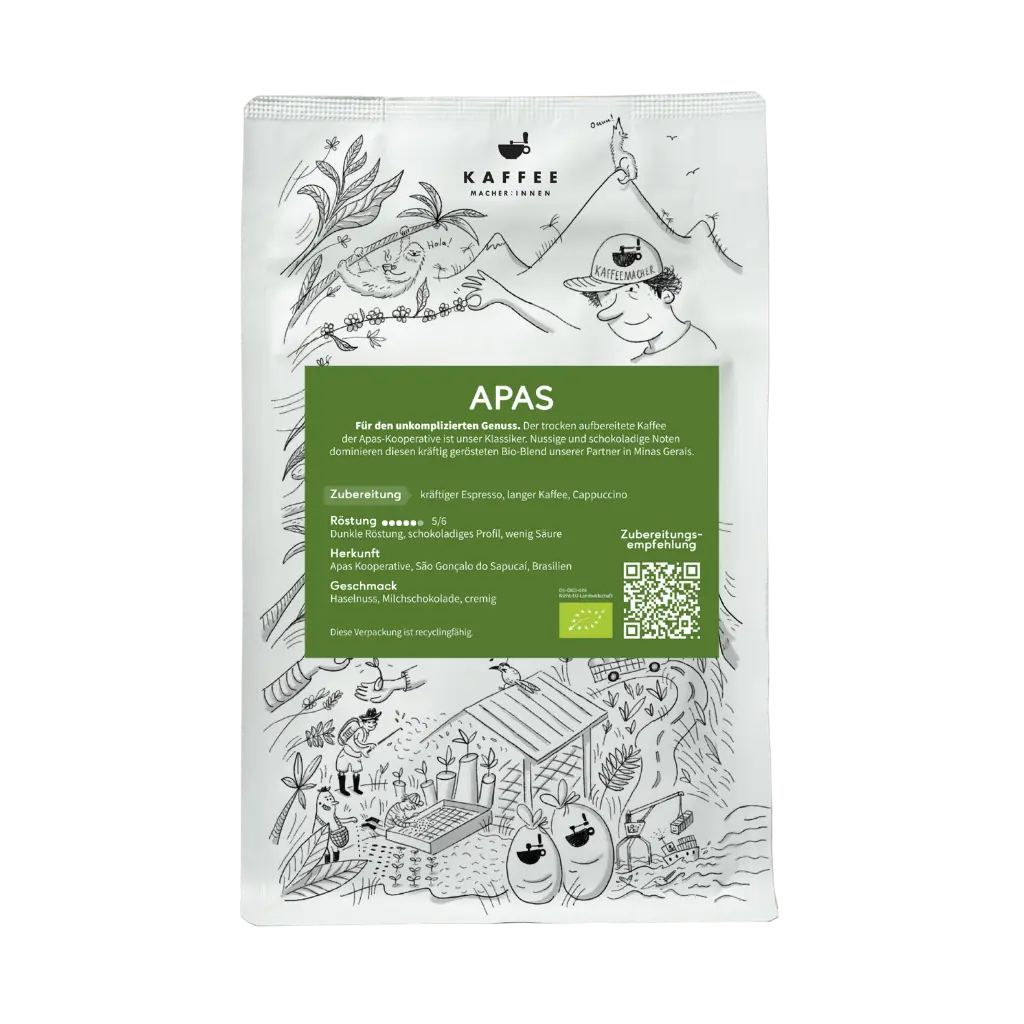
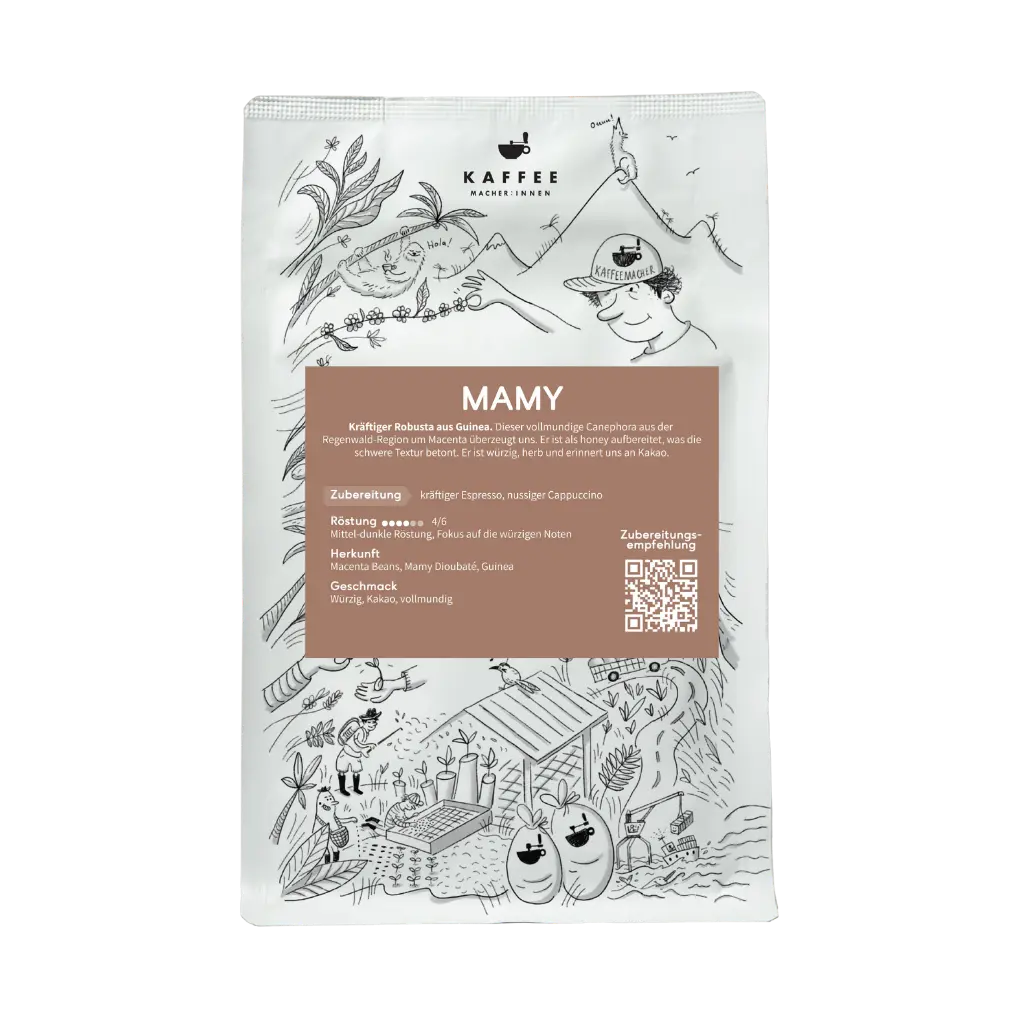
But do you even notice a difference in the cup when you can adjust the pre-infusion? The clear answer is: Yes. The possibilities are vast. Some of our best results were achieved with steam pressure pre-infusion. Light roasts become even more balanced and very delicious here. For example, we tested our Toca Espresso, with whose cooperative in Mexico we are working together on a process for regenerative coffee cultivation. Our Robusta espresso Mamy, on the other hand, tasted very good even without pre-infusion. As you can see, the possibilities are immense.
Foaming Behavior
In the default setting, the steam pressure of the Lelit is a little low. However, since the LCC offers so many adjustment options, we turned up the temperature in the steam boiler to 145 degrees. This made steaming really fun. A great rolling phase develops in the pitcher without the milk getting hot too quickly. This long rolling phase allows for perfect milk foam results. Only the steam knob isn't really appealing. But hopefully, there will soon be nice upgrades from tinkerers. Perhaps something made of wood?
Conclusion and Further Tips
The Lelit Elizabeth PL92T is a truly interesting espresso machine. The price is a challenge to the competition, and the various pre-infusion modes set new standards. Even with the default settings, you can prepare an espresso that tastes better than many more expensive models. Thanks to the sophisticated adjustment options, which work deep into the machine, you can experiment endlessly. We will continue to work with the Lelit Elizabeth and share our new findings with you.
You can find a more in-depth blog post here.

nachdem ich vor ca. zwei Jahren als Besitzer einer Dedica meine Eltern von einem Jura Vollautomaten zu einer Siebträgermaschine bekehrt habe und sie sich daraufhin die Rocket Appartamento zugelegt haben, möchte ich nun auch den Schritt hin zu wirklich gutem Kaffee machen und meine eigene Maschine und Mühle upgraden. Ich danke euch vielmals für eure sehr informativen und unterhaltsamen Videos. Es ist immer wieder wieder schön, in eure freudestrahlenden Gesichter zu schauen, wenn ihr über Kaffee und seine Zubereitung sprecht.
Durch die Erfahrung mit der Appartamento sehe ich aber nicht nur die qualitativen Vorteile einer "großen" Maschine, sondern auch die Nachteile eines Chromquaders, aka E61-Brühgruppe, vor allem in Hinblick auf die Aufheizzeit. Da ich jedoch der Auffassung bin, dass die Maschine für den Menschen und nicht der Mensch für die Maschine da sein sollte, ist gerade die Aufheizzeit für mich ein sehr sehr wichtiges Kriterium. Wenn ich Benjamin aufgrund seiner Aussagen in unterschiedlichen Maschinenreviews richtig interpretiere, sieht er das ähnlich. Ich möchte meinen Kaffee nach Lust und Laune trinken, nicht nach Uhrzeit wie meine Oma. Da meine Frau und ich, Stand jetzt, vor allem Milchgetränketrinker sind, halten wir einen Dualboiler (oder von mir aus einen mit zwei Thermoblöcken) für die beste Option. In der engen Auswahl stehen momentan die Sage Dual Boiler, die Rancilio Silvia Pro X, die Profitec Pro300, evtl. die Ascaso Steel Duo (die wäre für was Aufheizzeit angeht optimal, aber die Dampfleistung scheint ja auch beim neuen Modell immer noch nicht wirklich gut zu sein) und eben die Lelit Elizabeth.
Wenn ich keine Bedenken bzgl. der Langlebigkeit der Sage hätte, wäre die Wahl sehr leicht. Da ich die aber habe, wäre die Option, zu der ich dann am ehesten tendiere, die Elizabeth, vor allem wegen des Preises und der Möglichkeit der Präinfusion.
Jetzt kommt aber euer Test ins Spiel, insbesondere die von euch ermittelte Aufheizzeit, die ihr auf 20min beziffert. Wie gesagt, habe ich mich recht viel mit dem Thema Aufheizzeit beschäftigt und eure Testergebnisse lassen bei mir ein Fragezeichen zurück.
Wenn man die Elizabeth einschaltet (und die Temperatur im Espressoboiler unter 40°C beträgt) wird die Temperatur in 10 Minuten auf ca. 120°C gejagt. Dann hat man im Prinzip zwei Optionen:
1. Man wartet, bis die Wärme langsam an die Brühgruppe und den Siebträger abgegeben wurde und ist dann startklar für den Espresso.
2. Man führt einen Spülgang 20-30 Sekunden durch und bringt so die BG und den ST auf Temperatur und nutzt gleichzeitig das aus dem Wassertank nachfließende Wasser, um die Temperatur im Boiler herunterzukühlen. Dass das scheinbar funktioniert zeigt dieses Video https://www.youtube.com/watch?v=AlXIPdLjZuM
Mit Option 2 wäre man also nach knapp über 10 Minuten mit dem Aufheizen durch. Profitec macht mit seiner "fast heat up" Funktion, die ja seit Neuestem in vielen Modellen verbaut wird, nichts anderes. Ihr habt ja selbst die Profitec Go mit der fast heat up Funktion getestet. Da hat es ja auch super funktioniert. Warum nicht also auch bei der Elizabeth?
Ein Einwand, den man erheben könnte, ist, dass auch nach dem Spülvorgang sich die Elizabeth eventuell noch im "Überheizungsmodus" befindet und die Temperatur dann zu stark schwankt. Das kann ich nicht beurteilen. Aber selbst dann könnte man doch durch ein kurzes Aus- und dann wieder Einschalten den Überheizungsmodus beenden, weil dieser Modus nur bei Temperaturen unter 40°C anspringt.
Und jetzt zu euren Messungen:
1. Die beiden im Blogartikel angegebenen Kurven sind laut Angabe ohne eingeschlateten Dampfboiler. Warum? Bei Profitec muss explizit für die fast heat up Funktion der Dampfboiler eingeschlatet sein. Ich kann nicht beurteilen, warum das so ist, aber es ist scheinbar konstruktionsbedingt wichtig für die kurze Aufheizzeit. Dementsprechend könnte es für die Elizabeth auch wichtig sein.
2. Warum verlaufen die gelbe und die graue Kurve in den ersten 10 Minuten nicht parallel? Dass sie sich nicht komplett überlappen kann man durch die unterschiedlichen Starttemperaturen erklären. Aber zumindest sollte man einen nahezu parallelen Verlauf in den ersten 10min erwarten können. Kann es sein, dass die graue Kurve vielleicht doch einer Aufheizung "mit Dampf" entspricht. Das erklärt immer noch nicht, warum die graue Kurve nach 10min rund 10°C weniger anzeigt, als in dem von mir verlinkten Video, aber wenigstens wäre es damit etwas logischer.
Ich wäre euch sehr dankbar, wenn ihr etwas Licht in Dunkel bringen könntet? Ich denke, dass das Thema Aufheizzeit recht viele Leute beschäftigt.
Herzliche Grüße
Patrick

vielen Dank für diesen sehr ausführlichen Test. Da ich mit dem Gedanken spiele mir die Lelit Elizabeth zuzulegen würden mich weitere Tests zu den erweiterten Einstellungen von Dave Corbey interessieren. Habt ihr diesbezüglich schon etwas geplant?
Viele Grüße!

Und ihr hattest das ja auch angekündigt 🙂


Liebe Grüße und Danke schon mal im Voraus!

1. Vergleich mit der Mara X als Zweikreiser; Sie hat ja fast den gleichen Preis, aber anderes Konzept.
2. Welche Klasse Mühle würdet ihr denn als Upgrade empfehlen, damit die bessere Qualität auch in die Tasse kommt.

Mühle kommt drauf an, ob du lieber eine Single Dose oder herkömmliche Mühle hättest. Schau hier am besten auf unserem Blogbeitrag unseres grossen Mühlentests vorbei. Gruss Thomas
danke schon einmal dafür. Bei der Mühle ging es mir eher um die Preisklasse, den sehr guten großen Mühlentest habe ich mir schon intensiv angesehen.
Ich vermute, dass ich in das Segment 400-500€ für eine Elizabeth gehen muss, damit ich auch einen Unterschied zum bisherigen Setup spüre.

ich finde die Aufarbeitung des Berichts sehr gut. Ich besitze eine Elisabeth -zusammen mit Mahlwerk William- seit ca. 4 Jahren.
Eine absolute TOP Maschine für den Alltag welche auch noch sehr gut aussieht. Die Oberfläche, die Knöpfe, der Deckel - auch beim Mahlwerk - sind meiner Ansicht nach sehr wertig und eben nicht mit überdimensional dickem Blech gebaut - typisch italienisch halt. Die Maschine benötigt nicht sehr viel Platz und ist damit auch für kleines Küchen geeignet ( wer hat schon einen Kochtempel zu Hause). Das Dampfrädchen bildet hier eine Ausnahme - stimme ich zu - der Siebträger und der Tamper auch. Ich hatte mir gleich zu beginn einen doppelten Siebträger mit Olivenholzgriff dazugekauft weil mir der Standard Siebträger nicht gefallen hat - diesen nutze ich jetzt für Single Shots. Wenn der Boiler Wasser zieht ist sie laut - mich stört das nicht. Scharfkantige Ecken und Kanten - kann ich nicht richtig nachvollziehen - die Bleche bei diesen Maschinen sind meist gefalzt und genietet. Insgesamt ein großes Lob an Lelith.

wirklich vielen Dank für die Mühe die in all eure Blogbeiträge und Videos steckt - es macht wirklich Spaß euren Content zu verfolgen! Bisher hatte ich als absolute Einsteigermaschine lediglich eine Dedica, habe mir jetzt nach viel Recherche aber eine Lelit Elizabeth bestellt (euer Video war dabei super!)
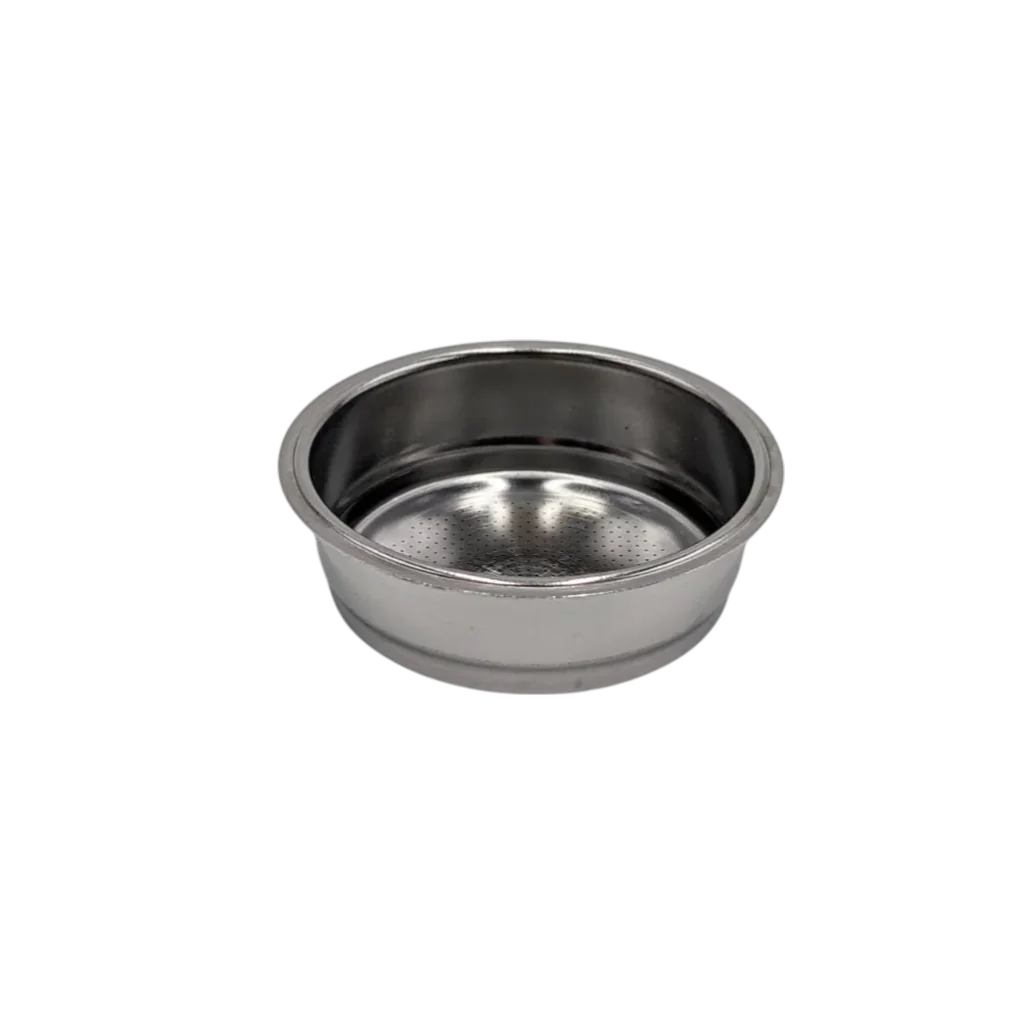
Da mein bisheriges Zubehör leider nicht für den 58 mm Siebträger passt, würde ich da gerne schon neues kaufen. Könnt ihr mir sagen wie groß der Durchmesser der mitgelieferten Siebe genau ist? Also passt zb ein Standard 58 mm Tamper oder braucht es da ein geringes Übermaß?
Danke euch und besten Gruß aus Münster
Maximilian


+ Taste 3 gleichzeitig.

danke für das sehr hilfreiche Video - und die tollen Tests insgesamt!
Ich bin am Überlegen, meine MaraX gegen einen kleinen Dual-Boiler zu tauschen, weil mich das ständige Temperatur-Hinauf-und Hinunter beim E61 nicht wirklich überzeugt (bekomme laut E61-Temperaturprobe Bezüge zwischen 90 und 98C, wenn ich nicht genau den idealen Moment abwarte/erwische - gerade am Morgen nicht ideal).
Wie würdet Ihr zwischen Lelit Elizabeth und Ascaso Steel Dual V2 wählen? Sie scheinen doch recht ähnlich, wobei die Elizabeth mehr Möglichkeiten zum Experimentieren lässt?


Und was haben die Einstellungen von Corbey in der Praxis verändert / bewirkt?

Als Alternative für das unschöne Dampfrad habe ich einen Comandante Holzknauf zweckentfremdet, der eine ausreichend tiefe 6mm Bohrung hat und sich mit seiner konischen Form gut an die Gehäuseöffnung anpassen lässt. Alles was es noch braucht ist ein 3mm Bohrer und eine 4mm Edelstahl Madenschraube, fertig ist die Laube! Gefällt mir optisch wie haptisch um einiges besser und ist für knapp 10,-€ zu haben.

Ich würde ja auch ein Bild hochladen, habe aber noch nicht rausgefunden wie. Hat jemand einen Tipp?

Während der Prienfusion mit Dampf.
BLS zeit der könnte angedacht sein, kaltes Wasser hinzufügen um Überhitzung zu vermeiden bzw. begrenzen.
Diese von euch eingestellte "Pumpe-an-Pumpe-aus" - Preinfusion will man doch eigentlich nicht haben, oder?
Weil es den Puck "zerschiessen" könnte.
Und könnt ihr etwas zur Temperatur des Wassers bei der Preinfusion sagen?
Da nutzt die Elizabeth ja den Dampfboiler. Ist die Temperatur da nicht deutlich höher als die eingestellte Temperatur des Wasserboilers?

Was mich interessiert:
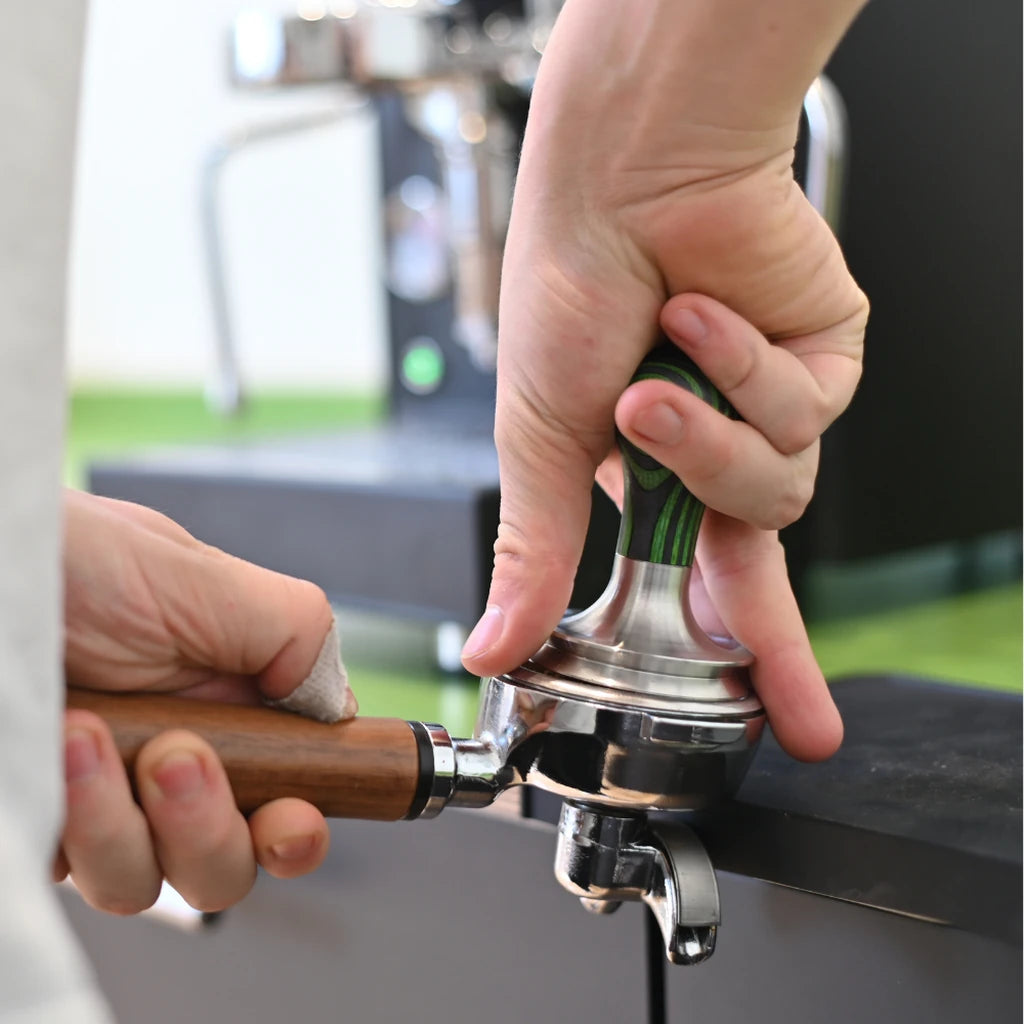
1. Menge Kaffeepulver: meine Erfahrung zeigt mir, dass unterschiedliche Röstungen unterschiedliches Volumen ergeben. Meist nutze ich im original Lelit-Sieb nur 16 g Bohnen, selbst dabei klebt der Puck am Ende immer mal wieder am Sieb und nicht im Siebträger. Ist das normal? Ist das ein Problem für die Qualität? Bin nun erstaunt, dass Ihr 18 g Bohnen verwenden konntet. Ich verteile das Pulver bewusst gleichmäßig und tampe mit dem KM-Tamper.
2. Apas-Bohnen in der Lelit Elizabeth: 93°, keine Preinfusion, 25 sek/16 g in / 32 g out ergibt einen heftig sauren Espresso (im Cappuccino natürlich abgepuffert und sehr lecker). Die Bohne caffe Cagliari Gran Caffe hatte ich zum Vergleich: gleiche Rezeptur (muss dafür auf der G-Iota ca. 3 Stufen feiner gemahlen werden) ergibt einen wesentlich nussigeren und balancierteren Kaffee. Die Bohnen sind natürlich auch dunkler, wenngleich auch als mittlere Röstung angepriesen. Zurück zu Apas: Wenn ich nun die Bezugszeit verlängert habe (+5 sek, etwas feiner gemahlen), bleibt viel Säure. Mahle ich noch feiner, dann bleibt die Tasse fast leer. Vielleicht liegt die Lösung in der Dampfpreinfusion? Das muss ich noch probieren, bin aber gerade noch im Urlaub. Mich würden Eure Erfahrungen oder die anderer Nutzer dazu interessieren. Ach so: unser Leitungswasser ist schon sehr soft, hat nur 3,1 Deutsche Härte, also eigentlich ja optimal.
3. ein Kaffee-Creme-Rezept für diese Maschine: da tue ich mir schwer, welche Bohne nehmen, wie einstellen. Der Haken: man kauft 500 g Bohnen und dann müssen die erstmal verarbeitet werden.
Frage 3 werde ich wohl herausfinden müssen. Eure Videos habe ich schon dazu gesehen.
In Summe: klasse Videos, tolles Konzept. Auch die Nachhaltigkeit und die Beachtung von Produktionsstätten gefallen mir. Das war für mich der Grund deftige 100 € für Eurem KM-Tamper zu zahlen und nicht vielleicht einen auch sehr guten Lelit für 50 zu kaufen.
Macht so weiter, ich freue mich auf die Antworten.
Was mich interessiert:
1. Menge Kaffeepulver: meine Erfahrung zeigt mir, dass unterschiedliche Röstungen unterschiedliches Volumen ergeben. Meist nutze ich im original Lelit-Sieb nur 16 g Bohnen, selbst dabei klebt der Puck am Ende immer mal wieder am Sieb und nicht im Siebträger. Ist das normal? Ist das ein Problem für die Qualität? Bin nun erstaunt, dass Ihr 18 g Bohnen verwenden konntet. Ich verteile das Pulver bewusst gleichmäßig und tampe mit dem KM-Tamper.
2. Apas-Bohnen in der Lelit Elizabeth: 93°, keine Preinfusion, 25 sek/16 g in / 32 g out ergibt einen heftig sauren Espresso (im Cappuccino natürlich abgepuffert und sehr lecker). Die Bohne caffe Cagliari Gran Caffe hatte ich zum Vergleich: gleiche Rezeptur (muss dafür auf der G-Iota ca. 3 Stufen feiner gemahlen werden) ergibt einen wesentlich nussigeren und balancierteren Kaffee. Die Bohnen sind natürlich auch dunkler, wenngleich auch als mittlere Röstung angepriesen. Zurück zu Apas: Wenn ich nun die Bezugszeit verlängert habe (+5 sek, etwas feiner gemahlen), bleibt viel Säure. Mahle ich noch feiner, dann bleibt die Tasse fast leer. Vielleicht liegt die Lösung in der Dampfpreinfusion? Das muss ich noch probieren, bin aber gerade noch im Urlaub. Mich würden Eure Erfahrungen oder die anderer Nutzer dazu interessieren. Ach so: unser Leitungswasser ist schon sehr soft, hat nur 3,1 Deutsche Härte, also eigentlich ja optimal.
3. ein Kaffee-Creme-Rezept für diese Maschine: da tue ich mir schwer, welche Bohne nehmen, wie einstellen. Der Haken: man kauft 500 g Bohnen und dann müssen die erstmal verarbeitet werden.
Frage 3 werde ich wohl herausfinden müssen. Eure Videos habe ich schon dazu gesehen.
In Summe: klasse Videos, tolles Konzept. Auch die Nachhaltigkeit und die Beachtung von Produktionsstätten gefallen mir. Das war für mich der Grund deftige 100 € für Eurem KM-Tamper zu zahlen und nicht vielleicht einen auch sehr guten Lelit für 50 zu kaufen.
Macht so weiter, ich freue mich auf die Antworten.

Etwas enttäuschend finde ich die 20-minütige Aufwärmzeit. Besseres sollte mit einer gesättigten Brühgruppe möglich sein.
Haben Sie auch schon die Lelit Bianca? Können Sie mitteilen, wann es getestet werden könnte?
Es wäre schön zu wiesen wie lange dauert es in etwa bis der Kaffe Puck durchnässt ist bei der Preinfusion Dampf, Pumpe oder Brühboiler mit Sensorische Beurteilung und Empfehlung Danke.
Preinfusion mit Brühboiler EVS=0, BLS=0, BLP=0.
Bodenloser Siebträger
Danke für all die ausführlichen Test .
Danke für die viele Informationen.
Ein pauschale Aussage ist schwierig da bei Tampern der Druck mit entscheidet.
Mit Brühboiler und 20 sec. kein tropfen.
Mit Pupme, Pumpen zeit BLP-4sec. nach ca. 5-7sec. Erste tropfen.
Mit Dapfboiler nach ca 3-5sec. Erste tropfen.
Geschmacklich wurde es als positiv beurteilen.

Was ich nicht verstanden habe, war der Tipp 2° mehr einzustellen um früher die anvisierte Temperatur zu erreichen.
Kann man Details dazu nachlesen?


Ich habe zwar eine Lelit Grace, Plastikteile sind sie gleichen.

Zunächst einmal ein vielen großen Dank für den Test. Auf den hab ich schon seit zwei über 1,5
Jahren gewartet. Im Blog Eintrag habt ihr leider einen Tippfehler, da wird die PL72T erwähnt obwohl es um die PL92T geht.
Im Großen und Ganzen ein sehr guter nachvollziehbarer Test, Michelle ist leider etwas zu kritisch. Man muss die Leistung immer in Relationen zum Preis setzen was man hier für ein 1.000€ bekommt ist einfach unglaublich wie Benjamin das richtig angemerkt hat.
Das klappern bekommt man weg indem man am OPV Rückführschlauch das Plastikendstück/Filter entfernt und den längeren Schlauch schön nach unten führt in einem Bogen so dass es bis zum Tankboden leicht gebogen ist.
Was in eurem Video leider vermisse sind gebauter Temperaturkurven wie es in der anderen Test zuvor habe, im Blogeintrag sind zwei Screenshots aber die sind leider von so schlechter Qualität dass man da nichts erkennen kann.
Ab welcher Zeit werden die +2°C nicht benötigt, reichen da 30min Aufheizzeit? Wie verhält sich die Maschine mit der Temperaturstabilität und Aufheizzeit wenn auf der Tassenablage Tassen stehen, Stichwort „Wärmestau“, wird sie dadurch vielleicht schneller Temperaturstabil?
Viele Grüße!
Den Einfluss von Tassen auf die Maschine haben wir noch nicht untersucht. Interessante Forschungsfrage. Ich denke aber nicht, dass das einen immensen Einfluss hat, solange da nicht auch noch Lappen etc. drauf liegen.
Das ist denke ich eine gute Zielgröße, wenn du innerhalb der ersten 30 Minuten eher 2 Grad plus denkst und dann runter korrigierst. Wir werden aber auch noch mal mit den erweiterten Einstellungen experimentieren und vielleicht können wir in diesem Zuge das noch präzisieren.

Da dürften die 300ml zu klein sein?
Was ich aber nicht verstehe: Ihr schreibt zuerst "Bei 10 und 15 Minuten ist die PL72T noch nicht auf Zieltemperatur. Wir raten euch, die Maschine mindestens 20 Minuten aufzuwärmen." um so würde ich auch eure Messung interpretieren.
Dann schreibt ihr kurz danach: "Wir haben das Gefühl, dass die Maschine auf das Ziel "1-Stunde-an" optimiert wurde. Das erscheint uns für das Alltagsszenario Zuhause nur bedingt tauglich"
Das finde ich für eine Maschine für den Heimbedarf doch ziemlich vernichtend formuliert.
Oder missverstehe ich da etwas?