

Transparency and “The Pledge”
As Kaffeemacher, we communicate openly about what we do. We share our knowledge in our courses and provide consulting along the coffee supply chain. As coffee roasters, we also talk about the purchase prices of our coffees and thereby challenge the status quo of the coffee trade.Green coffee is too cheap. Very few small producers can make a living from it if they sell their coffee through established channels and receive the price traded on the stock exchange. We have reported on this in several podcasts:
https://open.spotify.com/show/090WkPqHLfVjBPwZPrbrfn
As coffee roasters, we see it as our responsibility to pay coffee producers prices that make long-term sense for both sides. We therefore do not orient ourselves toward the stock exchange price, but rather seek direct contact with the producers themselves in order to negotiate the price on an equal footing. When this is not (yet) possible, we work with traders we trust. We also demand transparency from them as close to the producer as possible.
Even though we live in the age of information, this is rarely easily achievable. For too long, the coffee trade operated as a well-concealed, intimate business where no one had to show their cards.
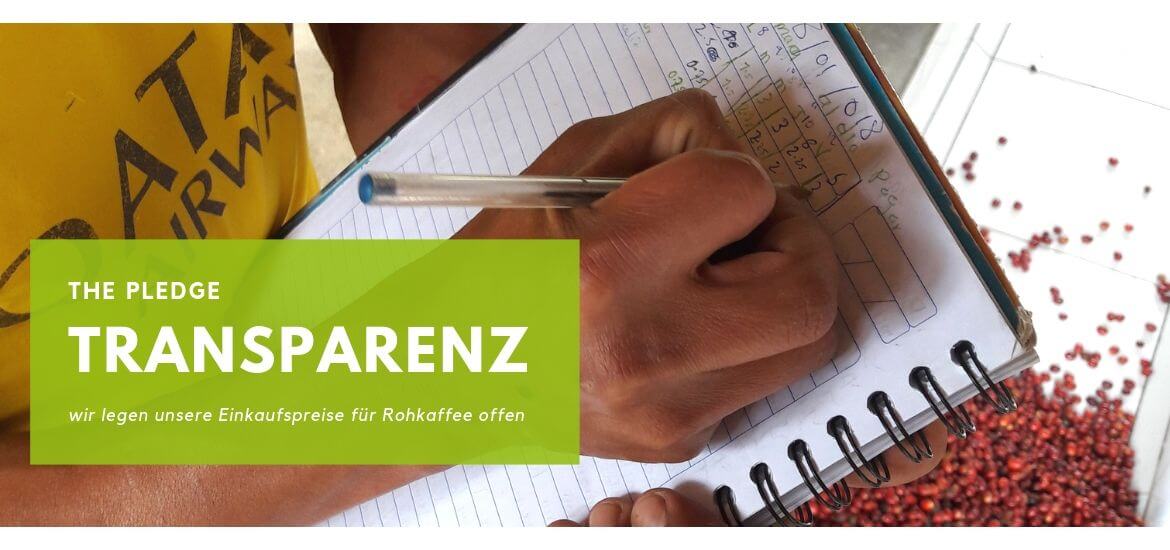
The Pledge – the commitment for coffee roasters and importers
However, those days are over – since 2018, an international group of coffee roasters (e.g., Tim Wendelboe, The Coffee Collective, Counter Culture Coffee, Quijote Kaffee, Flying Roasters, and others) has been working on a standard for transparency in the coffee chain. The result is “The Pledge” – a commitment for roasters and importers. Those who participate in “The Pledge” commit to making detailed information about the purchased coffees publicly accessible. This includes, for example:
- Who are the trading partners?
- How long have we been working with them?
- How much coffee do we buy from them?
- What is the quality?
- What prices did we pay? (e.g., FOB)
We like to quote Flying Roasters from Berlin, who say the following about the Pledge:
With this, we are setting standards together, defining what true transparency means, and distancing ourselves from pure marketing initiatives.
Transparency as an attitude
By disclosing our prices, we are clearly positioning ourselves in the roaster world. We hope that many more roasteries will join this initiative. As Roger Wittwer from Kafischmitte said in our podcast about low coffee prices in autumn 2018:
The more transparently we act, the more this will hopefully become the standard. Customers see this and perhaps ask more and more about the conditions under which this coffee was grown and purchased.
Roger Wittwer, Kafischmitte
Making what we do transparent is important to us. With our coffee farm in Nicaragua, Finca Santa Rita, we are in the middle of coffee production and see, feel, and experience every day what it means to be a coffee producer.
With this background knowledge, we can no longer – and do not want to – buy coffees without knowing exactly what actually goes back to the farm.
That this means extra effort for the trader is obvious. Pascal Herzog emphasizes this several times in conversation with Philipp Schallberger. This extra effort must be worthwhile for everyone – and that is why we are willing to pay more to truly get the information that satisfies us.
Transparency and open communication have always been a fundamental attitude of the Kaffeemacher. In our courses, for example, we disclose the operating figures of our café so that course participants can learn how to calculate cost of goods and personnel costs.
By participating in “The Pledge,” we are consciously advocating for even more proactive communication that is not satisfied with certificates.
As roasters, we commit to displaying the share of our transparently traded coffees in our total assortment.
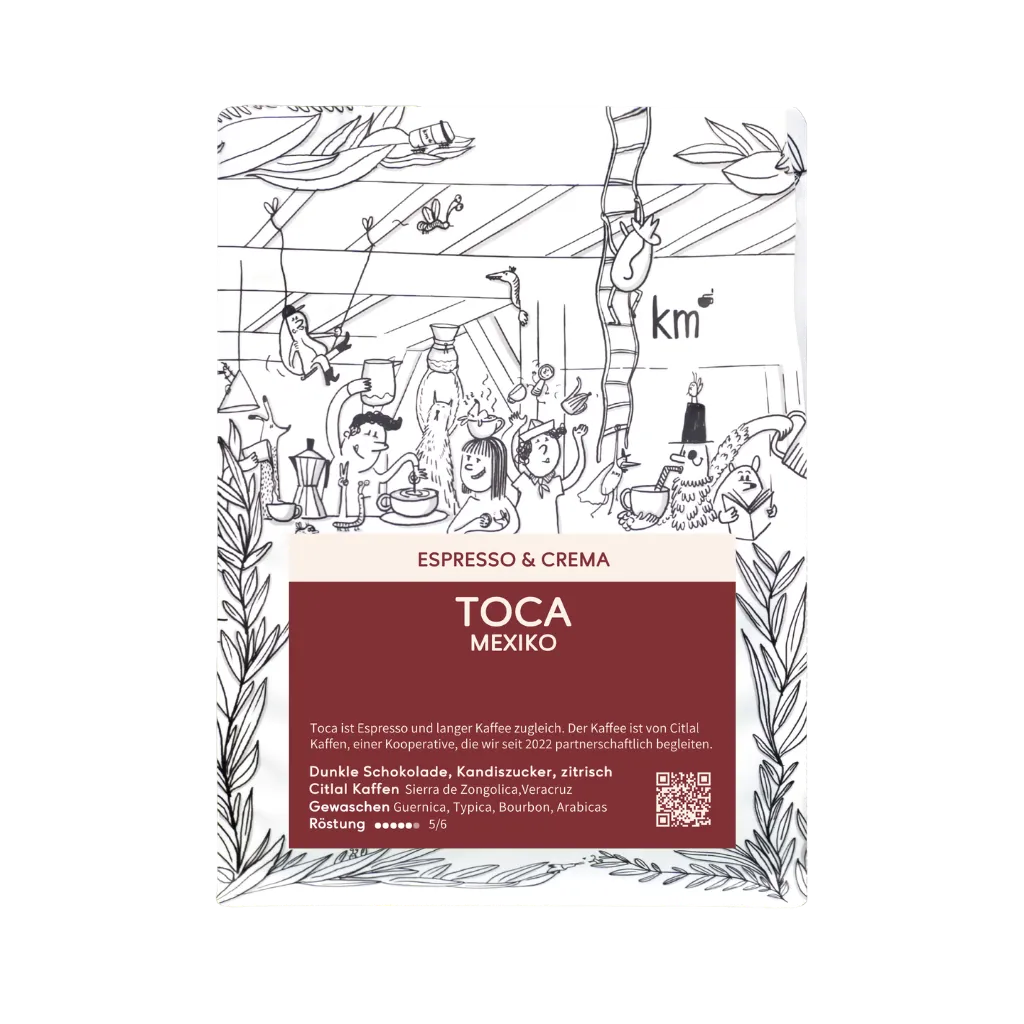
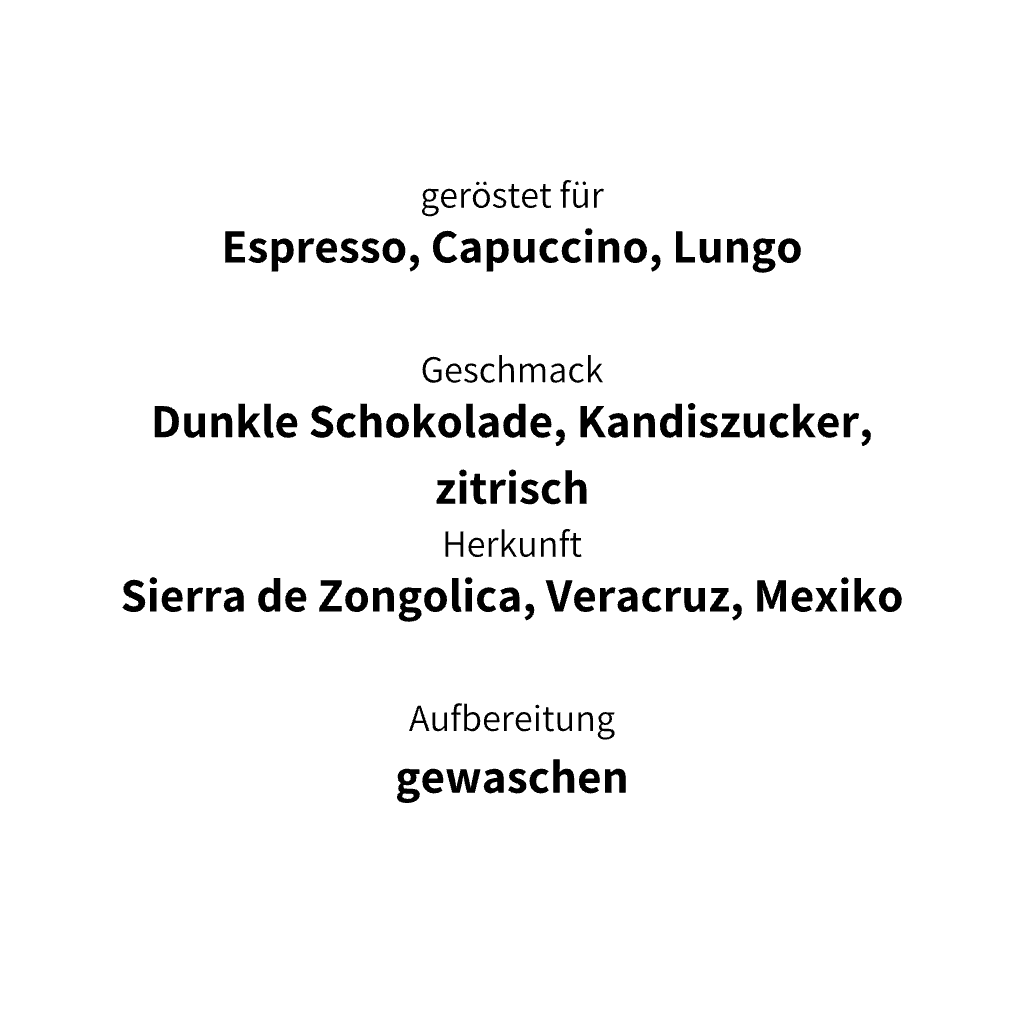
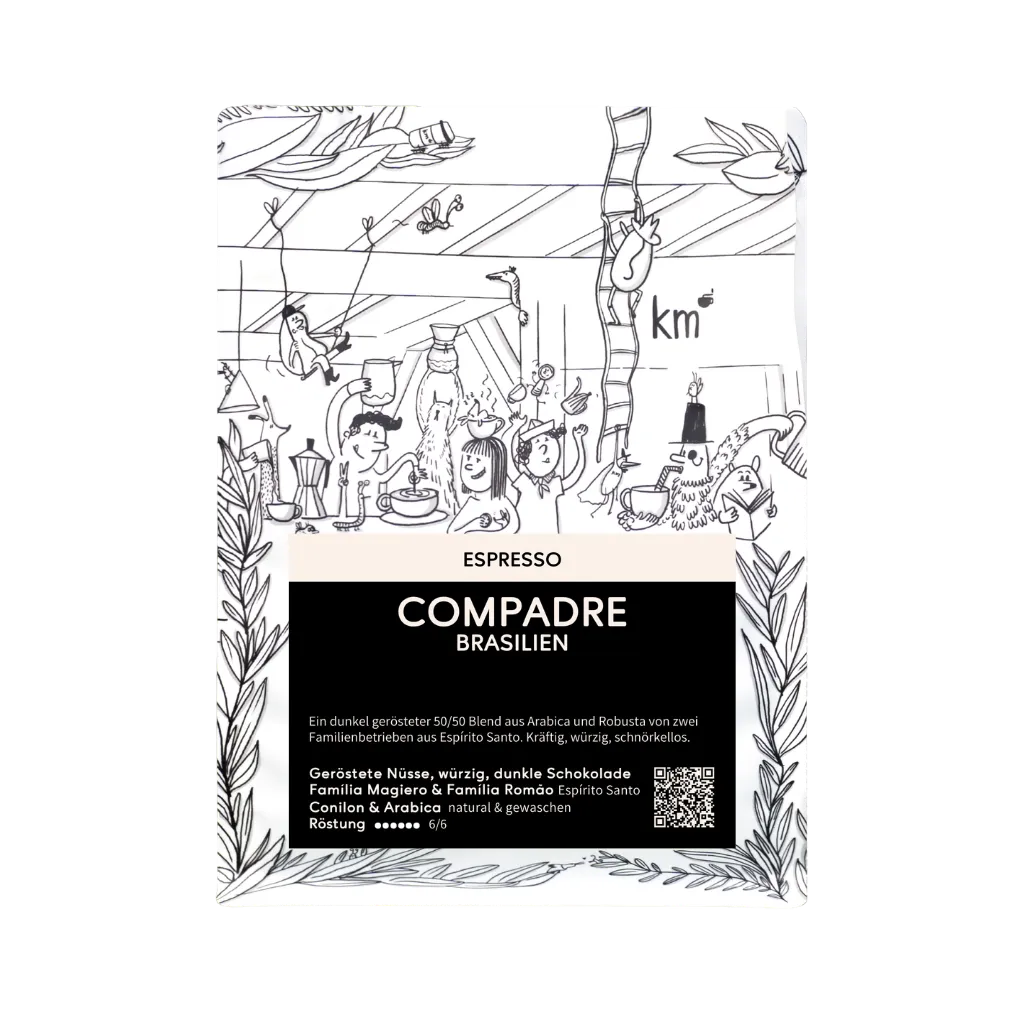
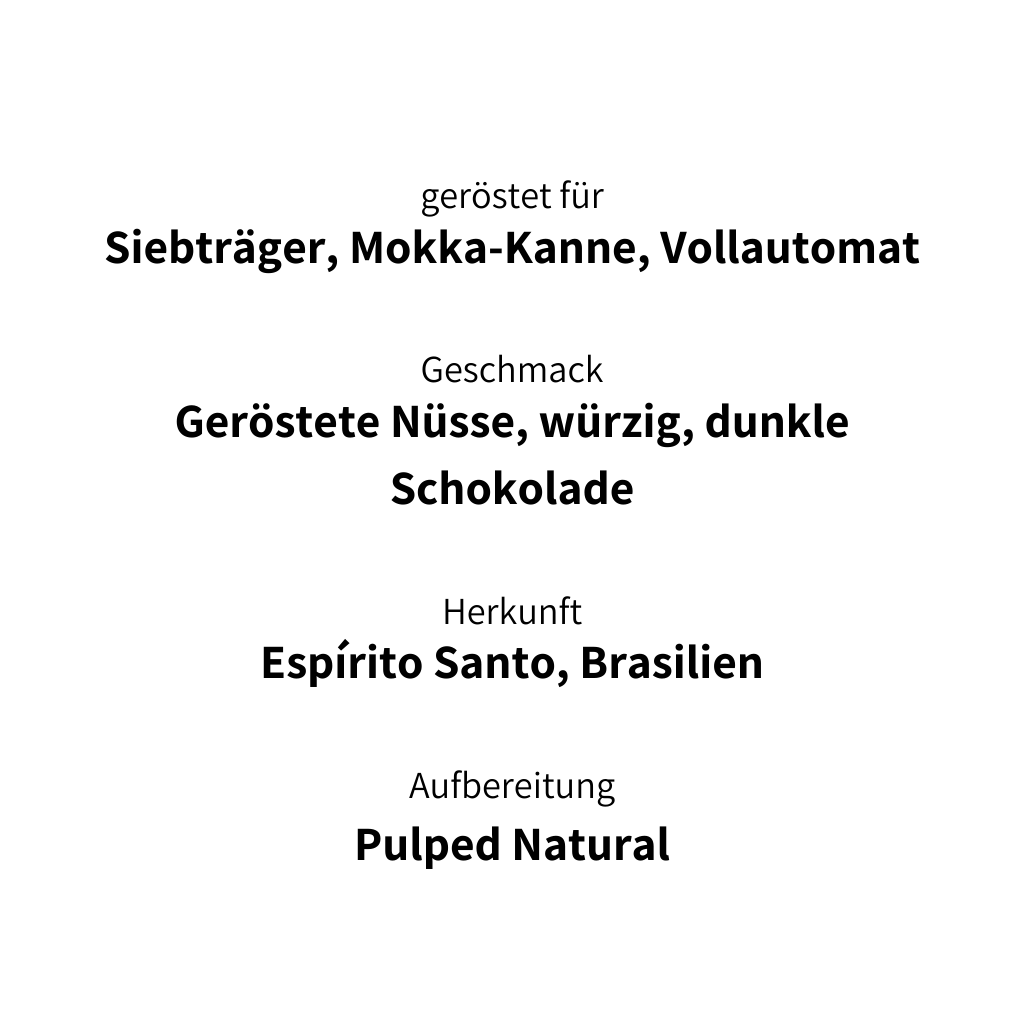
Our green coffee list:
Further links on the topic:
What does FOB mean?
A text by Pascal Herzog. https://kaffeemacher.de/blogs/kaffeewissen/preistransparenz-kaffee
How is the drop in coffee prices explained?
Podcast https://podcast.kaffeemacher.ch/2018/12/29/kaffeehandel-und-preisfall/
What do FOB, Direct Trade, Farm Gate, and production costs mean?
Podcast https://podcast.kaffeemacher.ch/2019/06/19/kaffeepreis-transparenz-podcast/
Notes on Finca Santa Rita:
* Santa Rita, Nicaragua: Finca Santa Rita is a farm co-owned by Roberto Castellano and the Kaffeemacher (each 50% owner). Kaffeemacher GmbH purchases the coffee from Finca Santa Rita at the listed FOB price. Additionally, we finance all ongoing costs on the farm.