







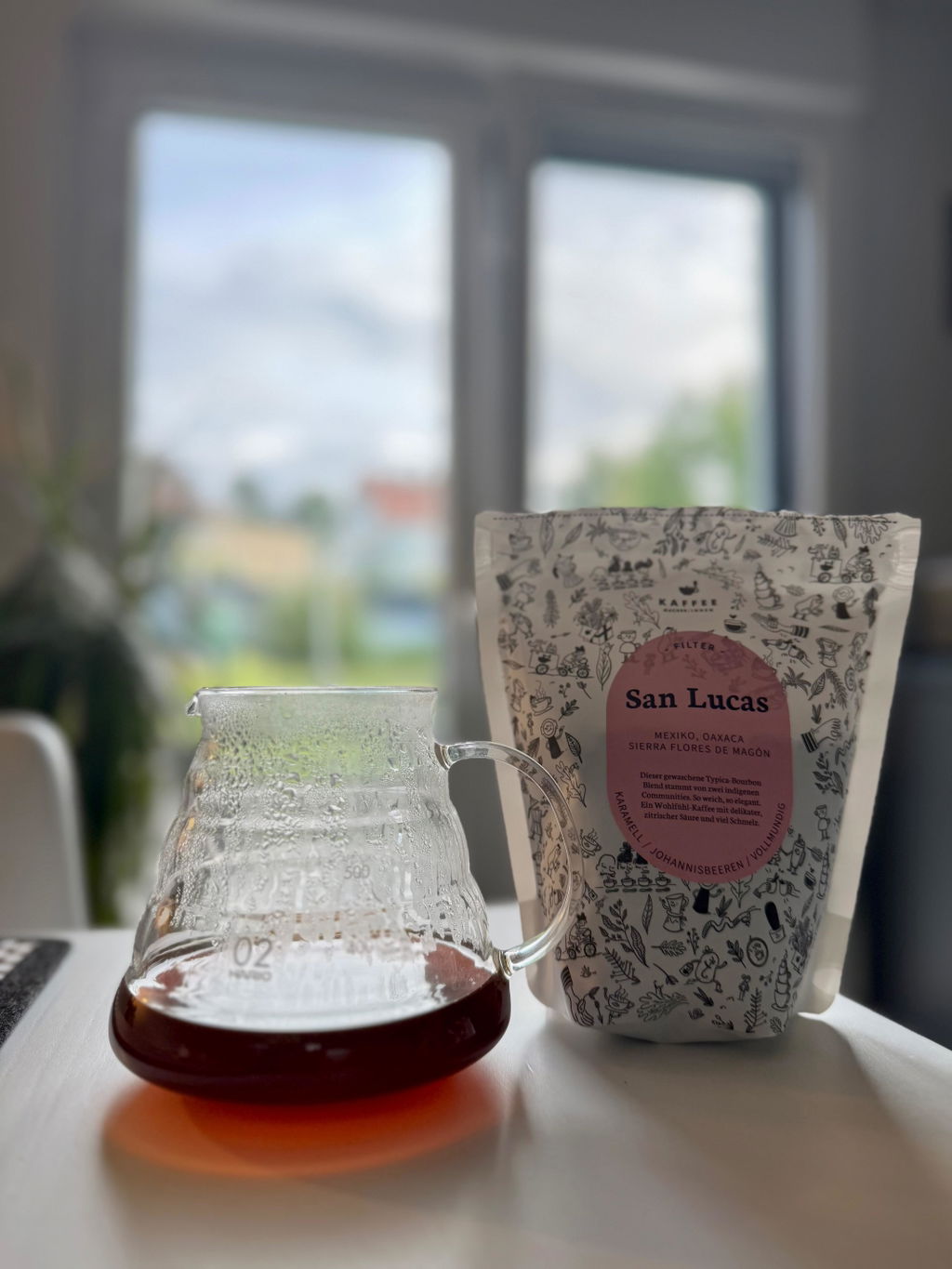
San Lucas, filter coffee from Mexico


San Lucas - Coffee Facts
|
Flavor: |
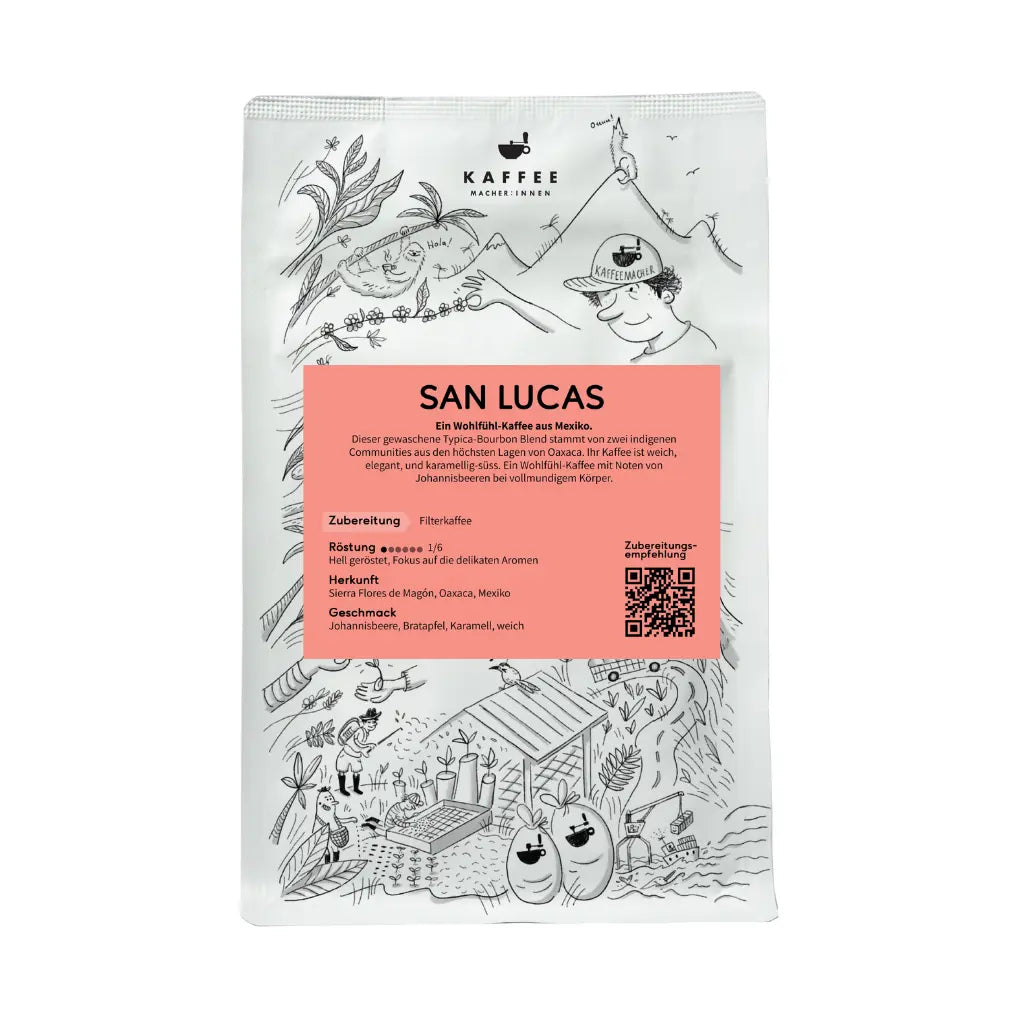
Currant, baked apple, caramel, smooth |
|
Bean origin: |
San Lucas Zoquiápam, Sierra Flores de Magón, Oaxaca, Mexico |
|
Producers: |
from Los Frailes and San Juan la Unión |
|
Varieties: |
Typica, Bourbon |
|
Post-harvest process: |
washed |
|
All our coffees are sold as whole beans. |
|
How we brew this coffee

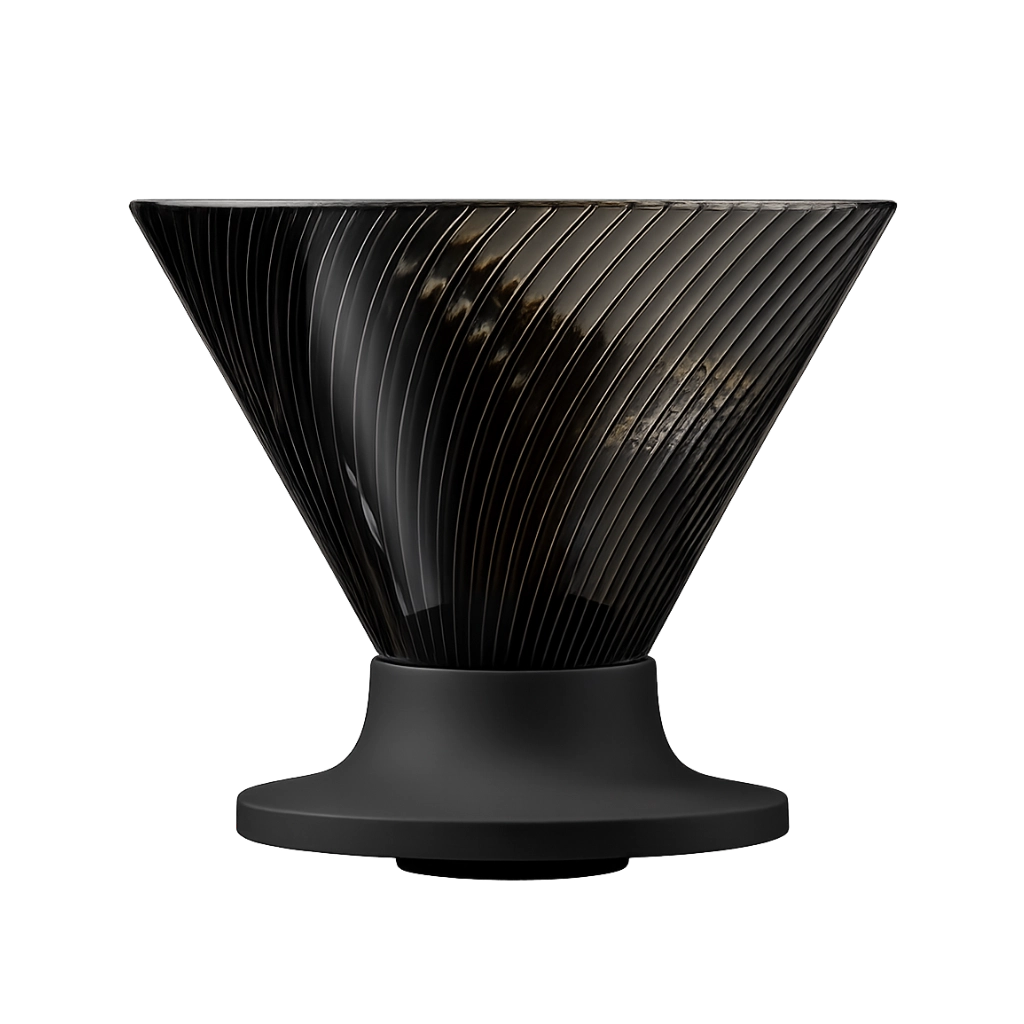
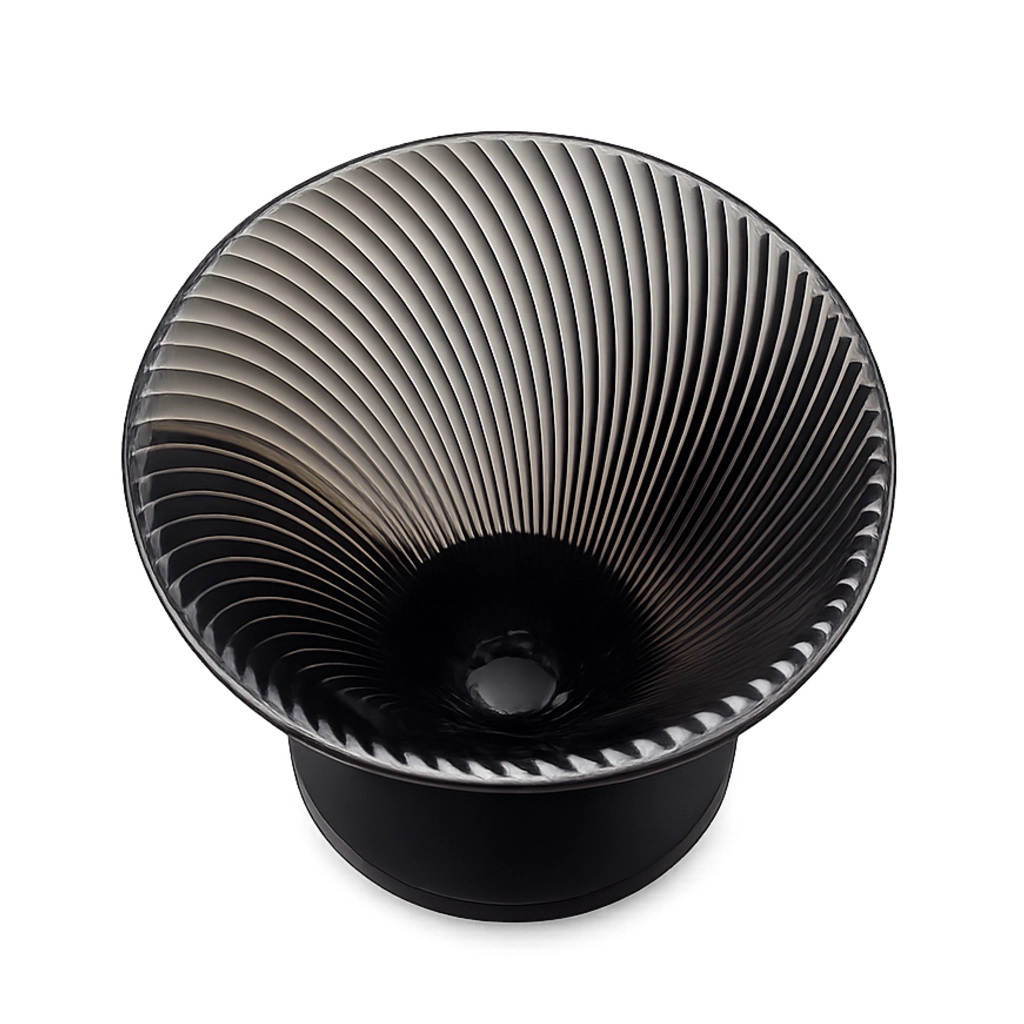
David developed and optimized the recipe using the Hario Switch and the following equipment:
Water: Total hardness 3°dH , alkalinity 1.5°dH
Grinder: Kinu M47 Classic
Dripper: Hario Switch
Filter paper: Hario V60 paper
Why does the coffee taste the way it does?
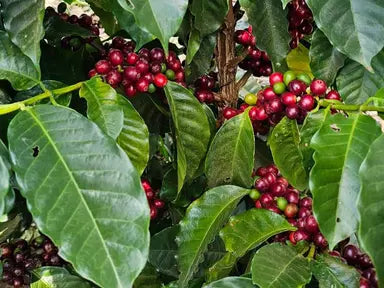
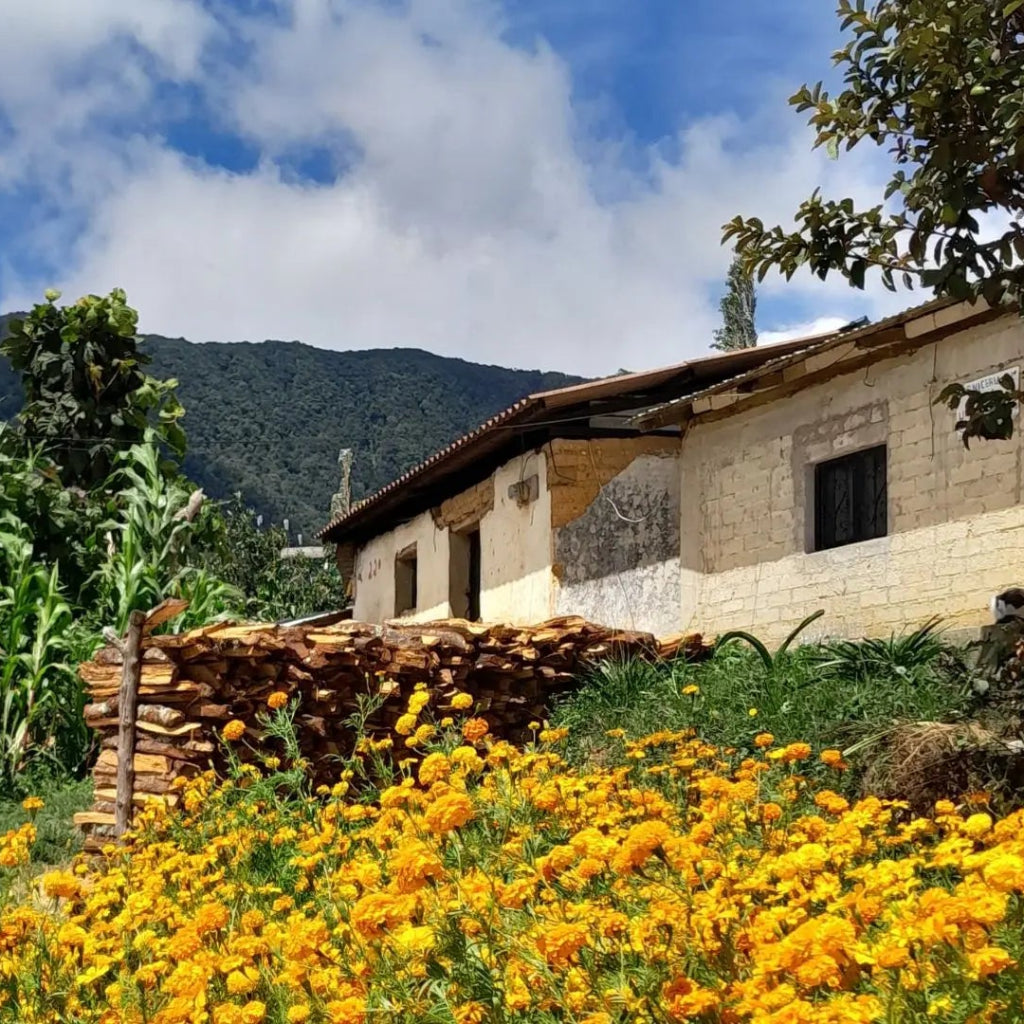
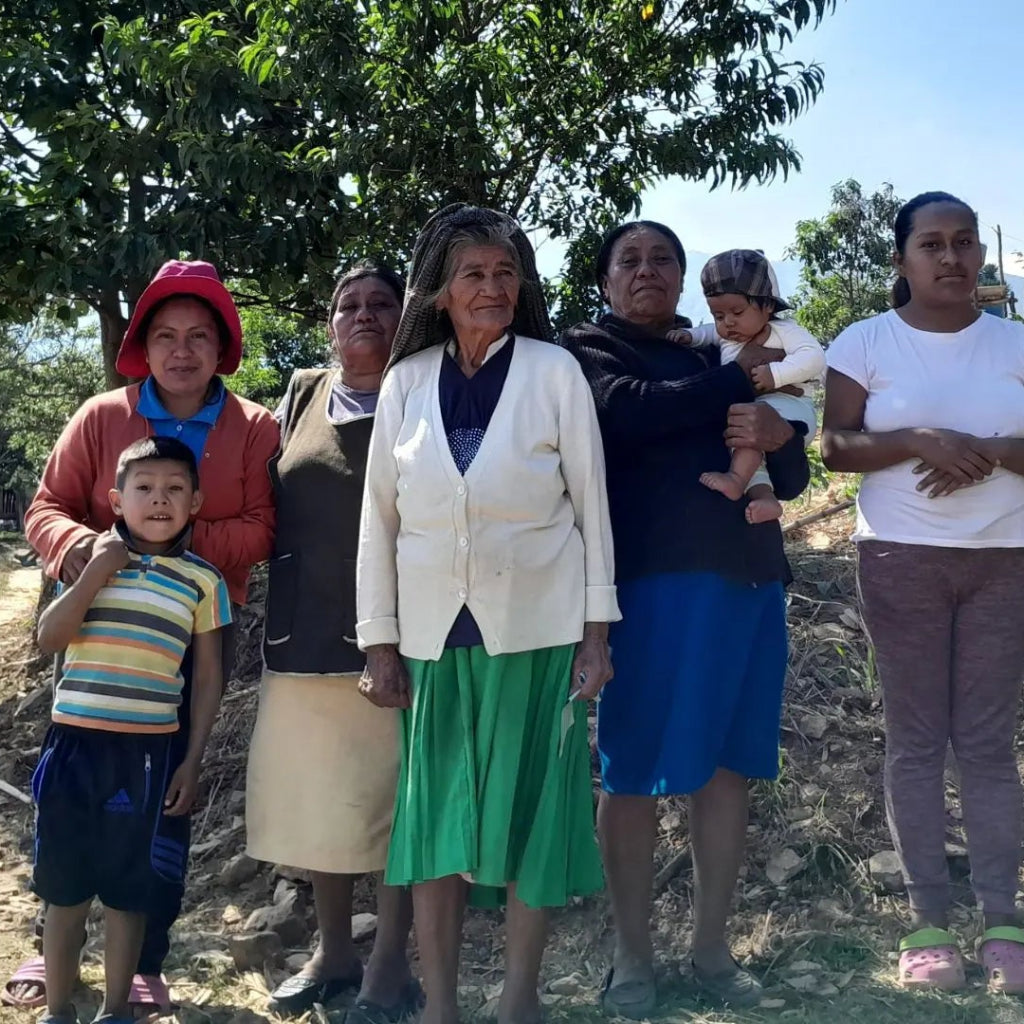
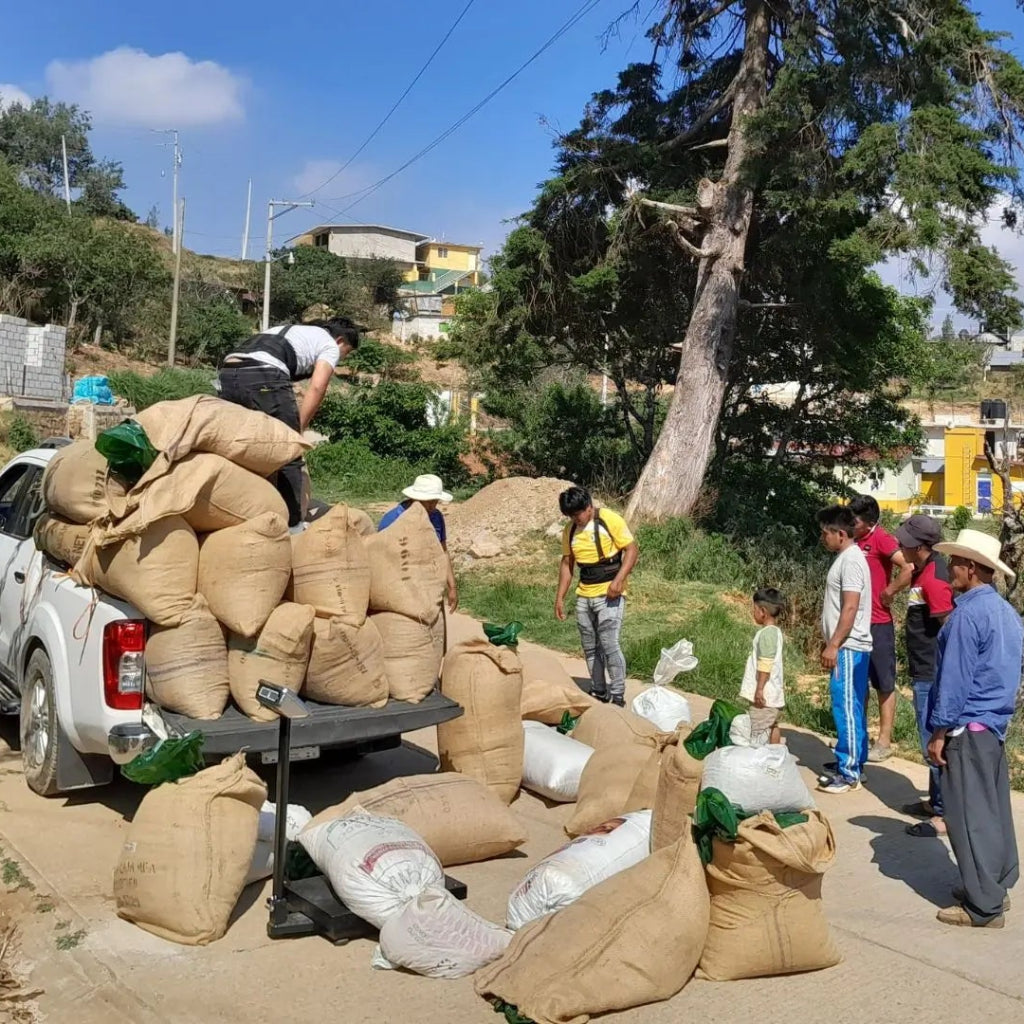
This special coffee is produced in the remote, hard-to-reach mountains of the Sierra de Flores Magón. Producers from two Mazatec communities combine their coffees into this “San Lucas” lot. Coffee from the Sierra Flores de Magón region is a late bloomer in Mexico, as the harvest here—in one of the highest and coolest regions of Mexico—doesn't start until March, by which time the harvest has already finished in other regions.
The coffee has a full body with a smooth texture. The acidity is crystal clear and reminds us of East African coffees. The smooth texture is a result of a high and uniform ripeness of the coffee cherries, achieved through precise manual sorting. The high acidity is related to the local growing conditions: the coffee grows very slowly at high altitudes in a microclimate with significant differences between day and night temperatures. This slow growth ensures a pronounced, juicy-fresh acidity.
Why did we buy San Lucas?
San Lucas grows in the Sierra under challenging conditions. The cool climate delays drying, so the beans remain moist for a long time. However, this is exactly where the collaboration with Ensambles comes in: since 2021, a storage and laboratory hub in Huautla de Jiménez has been supporting producers with training in sustainable agriculture and quality control. They receive transparent feedback and long-term prospects.
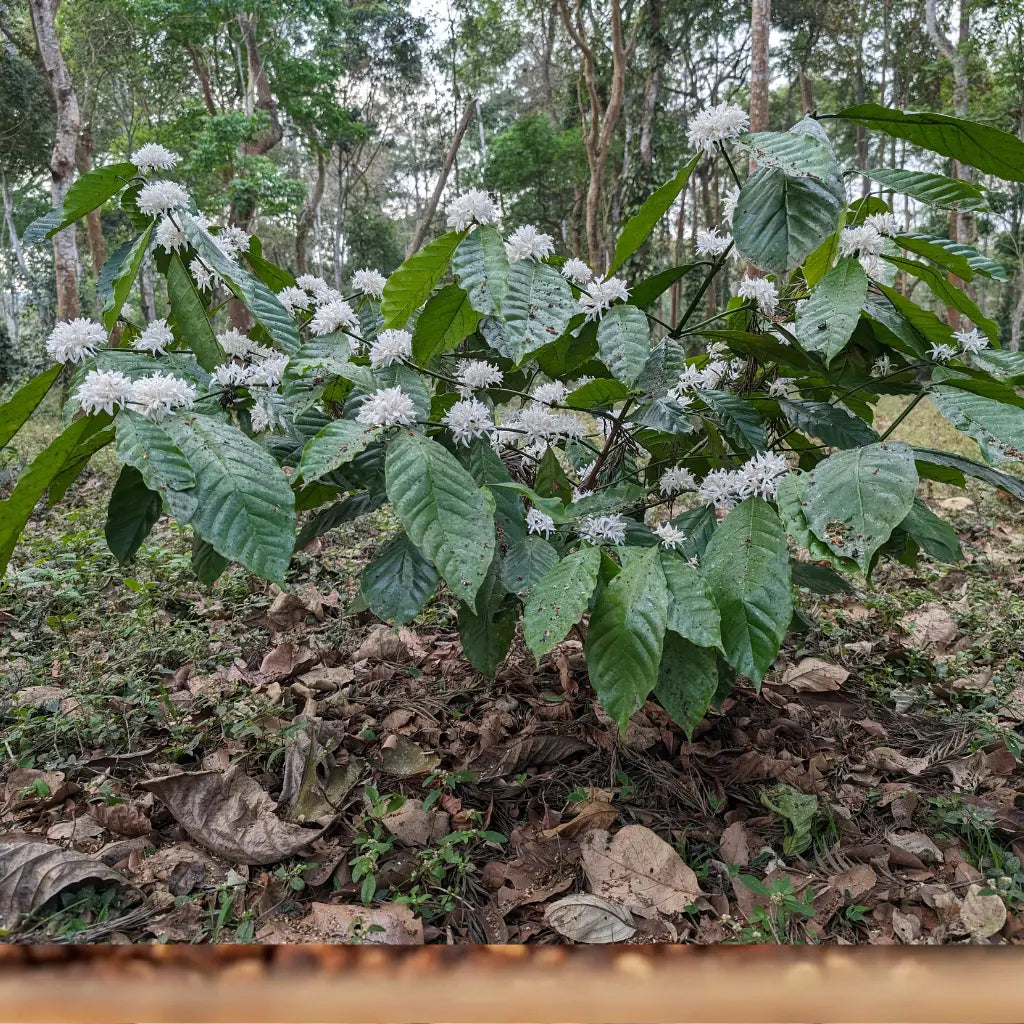
The coffee grows in traditional polyculture, alongside fruit trees and timber trees. Known as Milpa agriculture, it follows not only ecological principles but is also deeply rooted in the indigenous worldview: a balance of giving and taking in harmony with nature.
How do we roast this filter coffee?
As a 12.5 kg batch on our 30 kg Giesen roaster. We finish roasting the coffee in 8:40 minutes with a development time of 45 seconds. The final temperature is a tad higher, as it allows us to further emphasize the sweetness in the coffee.
 Legal guarantee rights


Guaranteed origin
We know exactly where our coffee comes from and when and where it was roasted.

Personal advice
We are here to help you with any questions or problems.

Fast shipping
Delivery from Germany or Switzerland

Free shipping in DE from €75