









The moka pot – also known as a stovetop espresso maker or Bialetti – is one of the best-selling coffee devices in the world. No pump, no electricity, no fuss. Just water, steam pressure and a simple metal construction that has worked for nearly 90 years. Together with German Barista Champion Felix Hohlmann, we tested numerous pots, experimented with different recipes and three different roast levels. In this article we summarise the best grind sizes, tips and tricks for the moka pot and walk you through the brewing process step by step.
How does a moka pot work?
The principle is elegantly simple: the moka pot consists of three chambers. You fill water into the bottom chamber, just below the safety valve. The filter basket with ground coffee sits above it. The finished drink collects in the upper chamber.
When you place the pot on the hob and the water heats up, pressure builds. The hot water is pushed up through the coffee grounds, extracts the coffee and lands in the upper vessel. Once a characteristic bubbling and hissing starts, the coffee is done. Depending on pot size, grind size and heat setting, this takes between 2:30 and 4:00 minutes.
The moka pot was designed by Luigi De Ponti in 1933 for Alfonso Bialetti, who marketed it under the name Moka Express. The octagonal aluminium pot remains the best-selling model worldwide to this day. It also gave the pot its widely used nickname: Bialetti is the company name of the business that made the Moka Express famous around the world. The basic principle hasn't changed since. Which is just how it should be.
What comes out of a moka pot isn't espresso in the technical sense – the pressure and concentration of coffee particles that define espresso are missing. An espresso machine works at 9 bar; the moka pot builds around 1 to 1.5 bar during the main extraction phase. Bialetti lists the classic Moka Express's operating pressure at a nominal 1.5 bar. The result is still strong, aromatic and noticeably more intense than filter coffee. The mouthfeel is actually not far from a capsule-machine "espresso".
Moka pot testing: what we tried
We worked with two moka pots: a classic 120 ml aluminium moka pot and a 300 ml stainless steel pot, our E&B LAB Induction Moka Pot. We heated both on a standard hob as well as on an infrared plate – at full power. We worked with four coffees: the filter coffee Amigo, the espresso blends Compadre and Dreispitz, and the fruity espresso Doña Margarita. All four are from our range and each impressed in the moka pot in its own way.
In other words: you can brew very different coffees extremely well in a moka pot, depending on what flavour profile you're after. Dark espresso notes, classic filter coffee structure or complex fruit notes – as our barista champion prefers.
Alongside the recipe, brew ratio and brew time, we also measured TDS (Total Dissolved Solids – a measure of extraction strength).
The best recipes from our tests:
Dreispitz, grind setting 0, with paper filter, 120 ml water to 12 g coffee – brew time 3:00, TDS 2.91%. Balanced with a very soft texture. Classic Dreispitz notes in balance.
Doña Margarita, grind setting 2, with paper filter, 120 ml water to 12 g coffee – brew time 2:30, TDS 3.21%. Sweet, fruity and round. Exactly what we were after.
Compadre, grind setting 2, with paper filter, 120 ml water to 12 g coffee – brew time 2:55, TDS 3.48%. Round, full-bodied, soft texture. A café crème with Compadre character. Delicious.
Amigo, grind setting 2, with paper filter, 120 ml water to 12 g coffee – brew time 3:33, TDS 3.10%
For context: research describes a typical TDS range of 3 to 4% for moka pots. That matches our recipes – and also makes clear that moka coffee isn't classic espresso, which typically reaches 6–10% TDS.
We used an EK43 grinder for the tests. The grind settings from that grinder don't transfer directly to other grinders. A particle size somewhere between sand and fine sugar is a good reference point.

Key takeaways from all our tests:
- Ratio 1:10 – around 12 g coffee to 120 ml water. That's our starting point.
- Pre-heated water saves time and makes better coffee. Fill hot water from a kettle into the bottom chamber. It makes a noticeable difference: the coffee grounds are exposed to hot steam for less time.
- Full heat is fine. What matters most is brew time, not gentle warming.
- Brew time: 2:30–4:00 minutes. The 120 ml pot is faster and tastes best with shorter brew times (2:30–3:30); the 300 ml pot produces the best results between 3:00–4:00 minutes. As soon as the coffee starts to bubble, take it off the heat immediately.
- Adjust grind size by taste and time. Too bitter? Go coarser. Too flat? Go finer. This also affects brew time – finer grinds slow things down, coarser ones speed things up. If brewing takes longer than 4 minutes and the coffee tastes bitter, go coarser. Grind size makes the biggest single difference.
The test series was led by sensory specialist Nadja Schwarz.
Place an Aeropress paper filter on top of the coffee in the filter basket before screwing on the upper chamber. The filter catches fine coffee particles and makes the drink noticeably silkier in the mouth. Extraction stays the same; the body becomes cleaner. We especially recommend this with lighter roasted coffees.
Step by step: how to brew coffee in a moka pot
It goes faster than you'd think once you know the sequence.
1. Prepare the water. Fill hot water from a kettle into the bottom chamber, just below the safety valve. For a 120 ml pot that's around 120 ml; adjust accordingly for larger sizes. (Important: the pot is now hot – use oven gloves or a tea towel.)
2. Grind the coffee. Grind size: noticeably finer than for filter, slightly coarser than for espresso. Aim for a particle size between sand and sugar. As a starting point: 12 g coffee for the 120 ml pot.
3. Fill and insert the filter basket. Fill the basket loosely with ground coffee and press lightly – but don't tamp it the way you would an espresso portafilter. Tamping increases the pressure inside the pot too much and extends the brew time, leading to very bitter coffee.
4. Optional: add a paper filter. Place an Aeropress paper filter on top of the basket. Then screw on the upper chamber tightly.
5. On the heat. Full heat. Flip up the lid when the coffee starts to bubble. If you're using the pot for the first time and don't know it well yet, keep the lid closed – with too much heat the coffee can splatter out of the pot.
6. Watch it – don't walk away. As soon as the coffee starts to bubble and hiss, take it off the heat immediately. What happens at this point is straightforward: the water in the bottom chamber is nearly used up, steam enters the rising pipe directly and pulls the last hot residues upward at temperatures above 100 °C. During this phase – actually called the "Strombolian phase" in academic literature(1) – the coffee releases significantly more bitter compounds. Taking it off the heat early means better coffee.
7. Wait briefly, stir, then pour. Stirring is important: it blends the different extraction layers so everyone gets a balanced cup.

Moka pot for induction: what you need to know
Classic aluminium moka pots don't work on induction hobs. Aluminium isn't ferromagnetic and isn't heated by an induction field. You need a stainless steel pot or a special induction-compatible model with a ferromagnetic base.
There are now plenty of options on the market: Bialetti offers its own induction version, and various manufacturers produce stainless steel models. What to look for: an even, flat base for good contact with the induction plate, plus solid construction at the handle and gasket.
The Bialetti moka pot: which model is right for you?
Bialetti isn't just a brand – it's the reason the moka pot is considered an icon. Alfonso Bialetti launched the Moka Express in 1933, creating a device found in millions of homes. Three models come up most often:
Moka Express – the original. Aluminium, octagonal, unchanged for 90 years. Available from 1 to 18 cups. Works on all hob types except induction. Prices start at around €25 depending on size. When people say moka pot, they usually mean this one.
Moka Induction – the stainless steel version for induction hobs. Same logic as the Moka Express but with a ferromagnetic base for induction compatibility. From around €35.
Brikka – the only Bialetti model with a second pressure-relief valve. This valve builds up more back pressure before the coffee rises, resulting in more crema and a slightly fuller body. Not suitable for induction; only available in 2 and 4 cup sizes. If you miss the crema layer from espresso, the Brikka is worth looking at.
Who is a classic Bialetti right for? Anyone looking for an affordable, proven entry point who cooks on gas or electric and doesn't plan to tinker much with their setup. If you brew on induction or care more about build quality and consistency, the E&B LAB below is a significantly better option.
Update April 2025: Bialetti under new ownership
Buying a Bialetti now means buying a piece of Hong Kong investment history: businessman Stephen Cheng has acquired nearly 79 percent of Bialetti's shares through his investment fund Nuo Capital, for around €53 million. Bialetti has been in financial difficulty for years, partly due to growing pressure from capsule systems. Management and production sites in Italy are expected to remain – the new owner plans to expand Bialetti primarily in China and North America. WirtschaftsWoche What this means for the quality of the pots remains to be seen. We've already written about the Chinese coffee expansion here.
Our recommendation: E&B LAB Induction Moka Pot
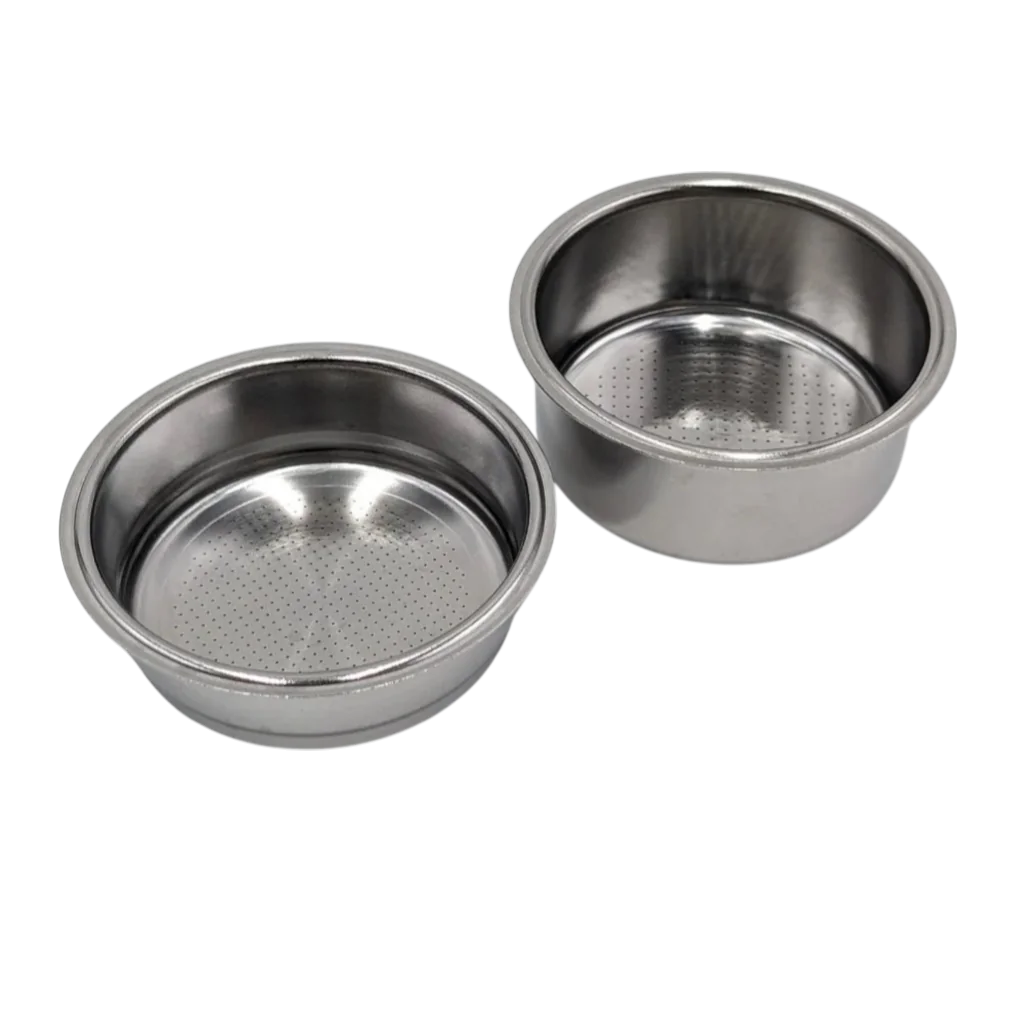
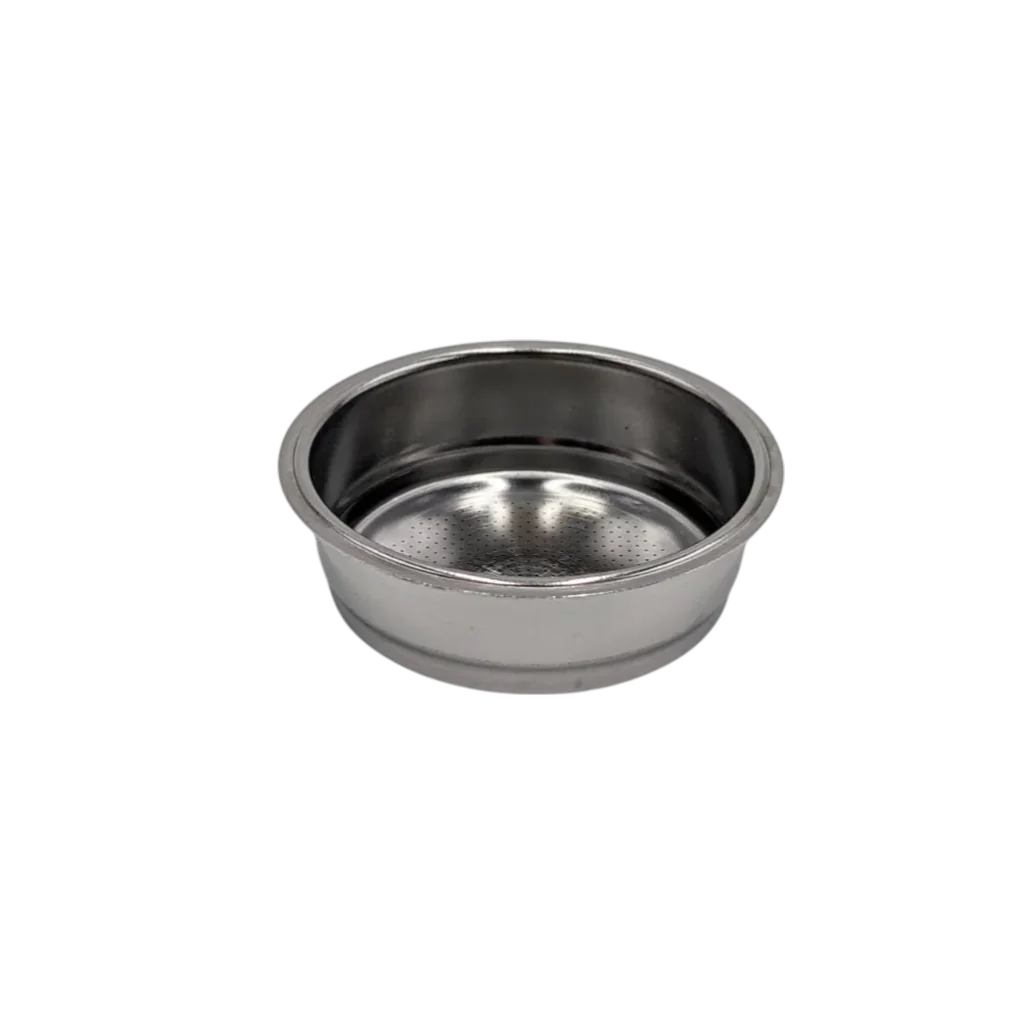
We stock the E&B LAB Induction Moka Pot and have tested it thoroughly. Genuinely high quality, €79.90, 100% Made in Italy, stainless steel, compatible with induction and all other hob types. What sets it apart from cheaper stainless steel models: an IMS Competition Filter in the basket. IMS makes the filters used in professional espresso machines. The result is more even water distribution through the coffee bed – and therefore more even extraction.
Build quality is excellent, the handle stays cool, and the gasket fits snugly. It's not cheap, but it's worth the money.
Which coffee works in a moka pot?
Any coffee works. That's not a diplomatic answer – it's what our tests showed. We tried four very different roast profiles and all of them tasted good. What changes is the character. Lighter roasted coffees come out fruitier and sweeter; darker ones develop more body and chocolate notes.
Our personal favourites after testing: Felix Hohlmann swears by Doña Margarita – fruity, sweet, with a liveliness that really comes through in the moka pot. Benjamin Hohlmann prefers the Compadre: fuller, more balanced, with a long finish. Nadja Schwarz went for Amigo: approachable, pleasant, great for every day.
Frequently asked questions about the moka pot
How much coffee goes in a moka pot?
It depends on the size. As a starting point: fill the basket loosely and level it off – don't tamp. For a classic 2-cup pot (120 ml water volume), that's around 10–12 g of coffee. We work with approximately 12 g to 120 ml water, a ratio of 1:10.
Can I use a moka pot on an induction hob?
Only if the pot is designed for it. Aluminium doesn't work on induction. You need a stainless steel pot or a special induction version with a ferromagnetic base – like our E&B LAB Induction Moka Pot.
Why does my moka pot coffee taste bitter?
Three common causes: the grind is too fine, the pot stays on the heat too long, or the pot hasn't been rinsed properly. As soon as the characteristic bubbling starts, take it off the heat immediately. And grind coarser until the taste improves and the brew time falls within the range we suggest.
Do I need to season a new moka pot?
With new aluminium pots, many people recommend discarding the first few brews. Aluminium can give off a slight metallic taste on first use; after two or three runs this usually goes away. Stainless steel pots generally don't need this and can also be cleaned more thoroughly.
How do I clean a moka pot?
Water only – no washing-up liquid, no dishwasher (unless the model explicitly allows it). This applies especially to aluminium pots: detergent attacks the surface. Just rinse, wipe, leave to dry. Check the basket and gasket regularly for residue. Behind the gasket on many pots, a layer of old coffee deposits can build up – this has a very noticeable negative effect on taste.
Verdict
The moka pot is a device that doesn't need much explanation, but benefits enormously from a few basic rules. Ratio 1:10, pre-heated water, full heat, off the stove the moment the coffee comes through. Adding an Aeropress paper filter gives you a noticeably softer and cleaner result. The choice of coffee is personal: any coffee works, but lighter roasts come out particularly fruity.
If you're looking for an induction-compatible pot, don't cut corners at the wrong end: the E&B LAB Induction Moka Pot at €79.90 is exceptionally well made, works on all hob types and comes with an IMS filter that genuinely makes a difference.

(1) Source on pressure and the "Strombolian phase": Navarini et al., "Experimental Investigation of Steam Pressure Coffee Extraction in a Stove-top Coffee Maker", Applied Thermal Engineering, Vol. 29 (2010), DOI: 10.1016/j.applthermaleng.2008.05.014