






















Coffee Knowledge
Coffee sensory analysis and quality assessment
Adjusting the coffee grinder, improving a roasting profile, and preparing each coffee is successful with the help of sensory perception. Well-trained palates provide confidence in all areas of coffee. This applies to home espresso machines as well as roastery operations.
Selected articles
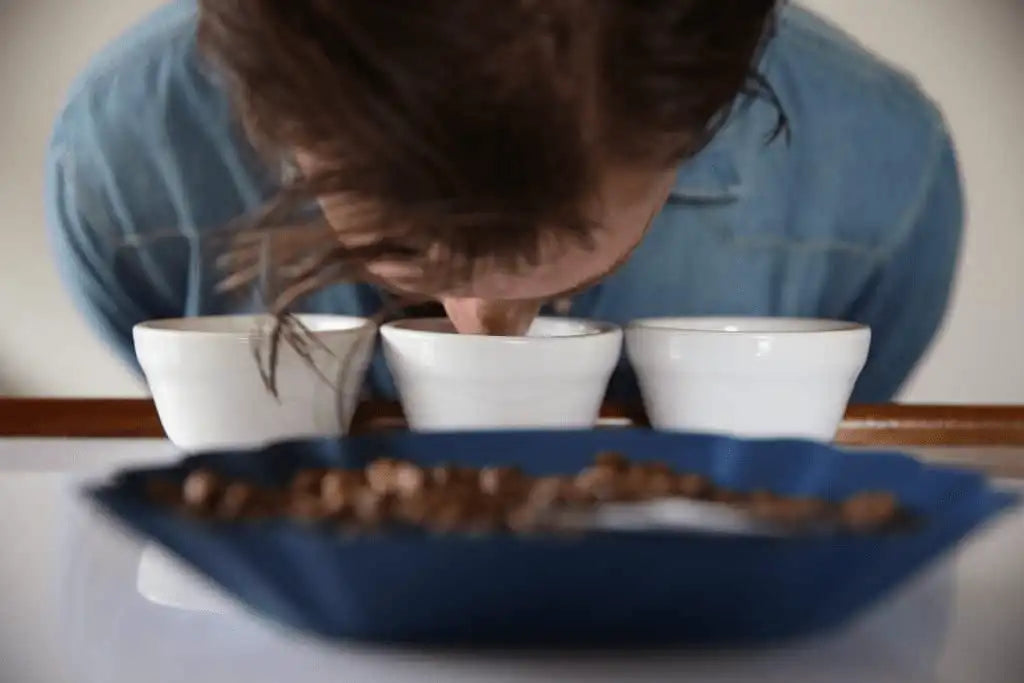
"Q" for coffee quality – the Q-Grader
The Q-Grader program of the Coffee Quality Institute (CQI) is the world's most renowned coffee sensory training.
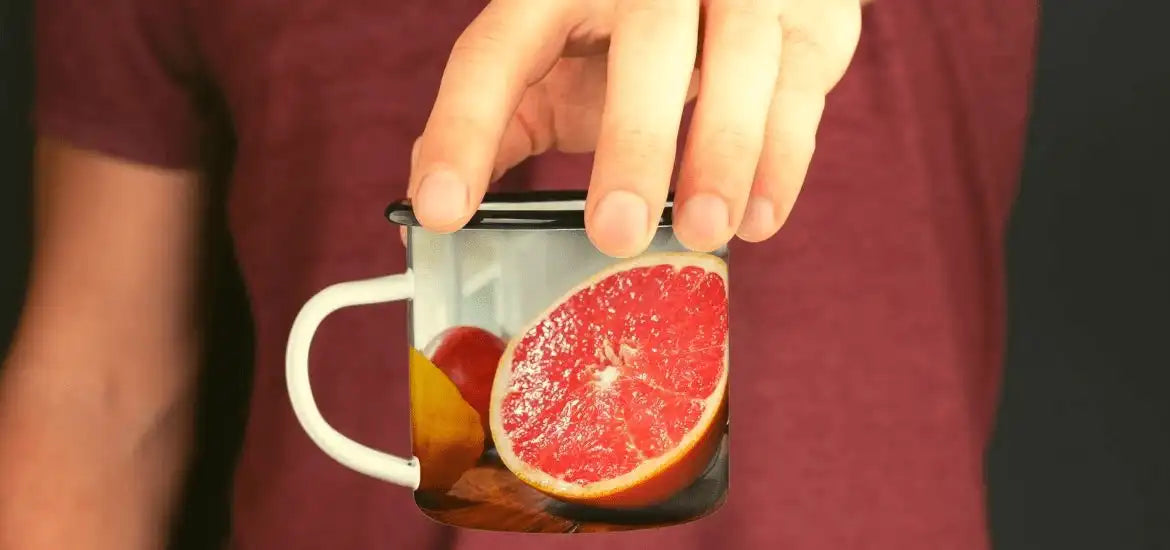
Acidity in coffee – reasons, qualities, differences
We explain why acidity is so important and define what good and bad acids in coffee are.
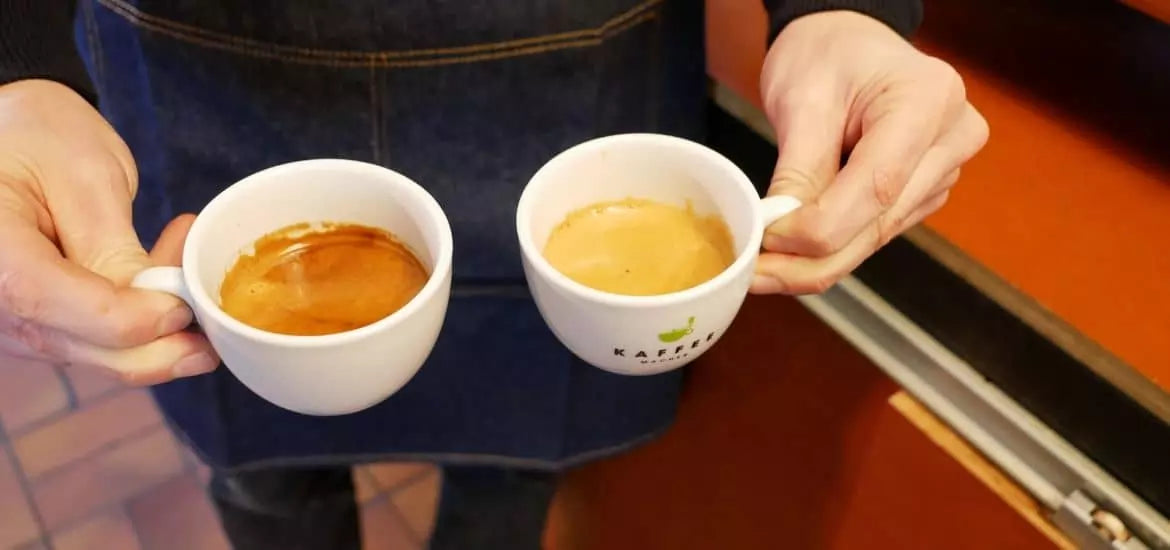
Coffee sensory online course
In addition to our sensory courses in Dinslaken and Basel, we also offer an online sensory course and support you in developing your own sensory skills.
Bitterness in coffee – differences and qualities
Bitterness is not all the same, but it is often not differentiated sensorily in its description.
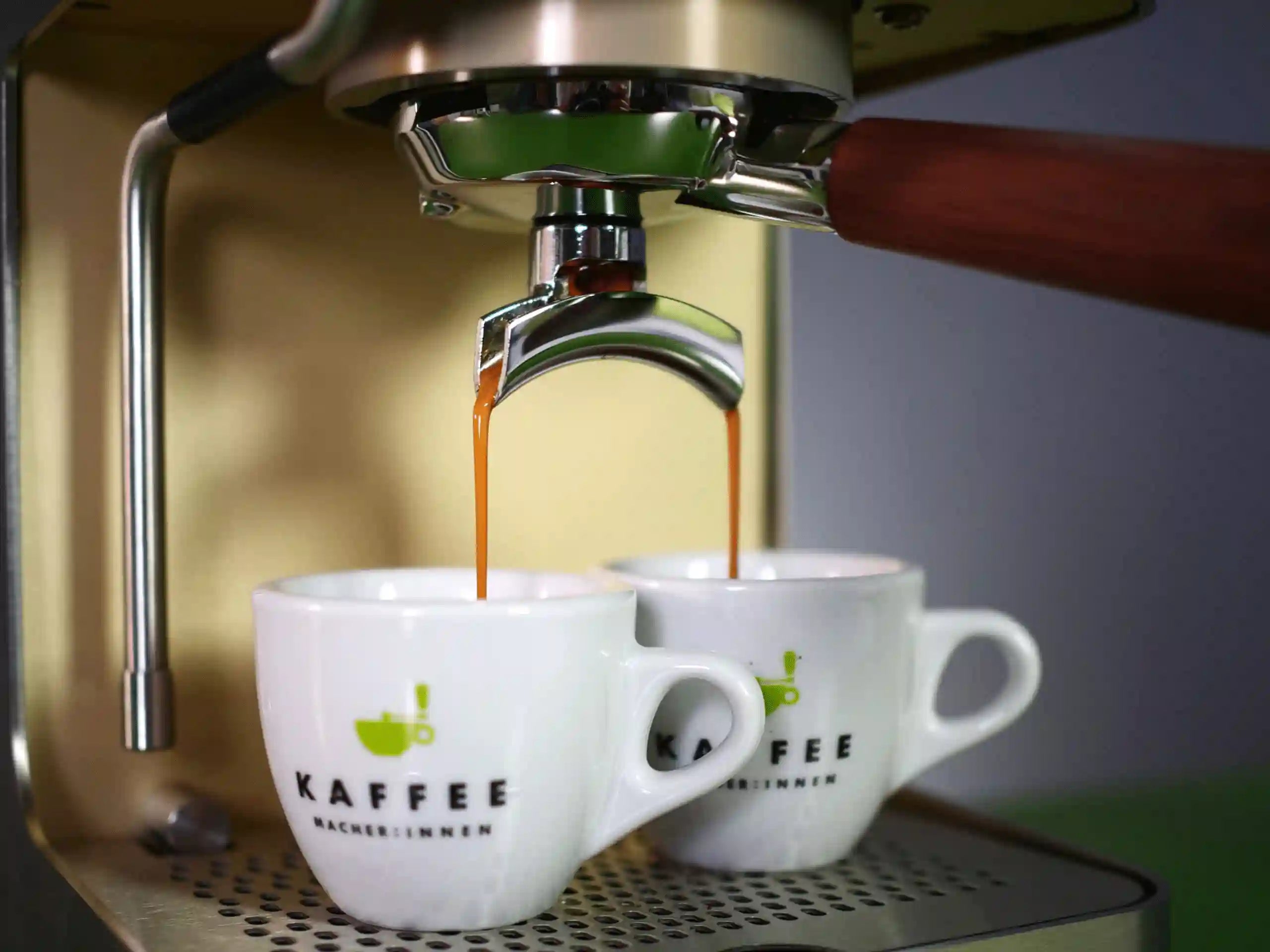
What do body and texture mean when describing coffee?
Particularly the two categories of body and texture, where we feel rather than taste, help us understand coffee even better and recognize truly good quality.
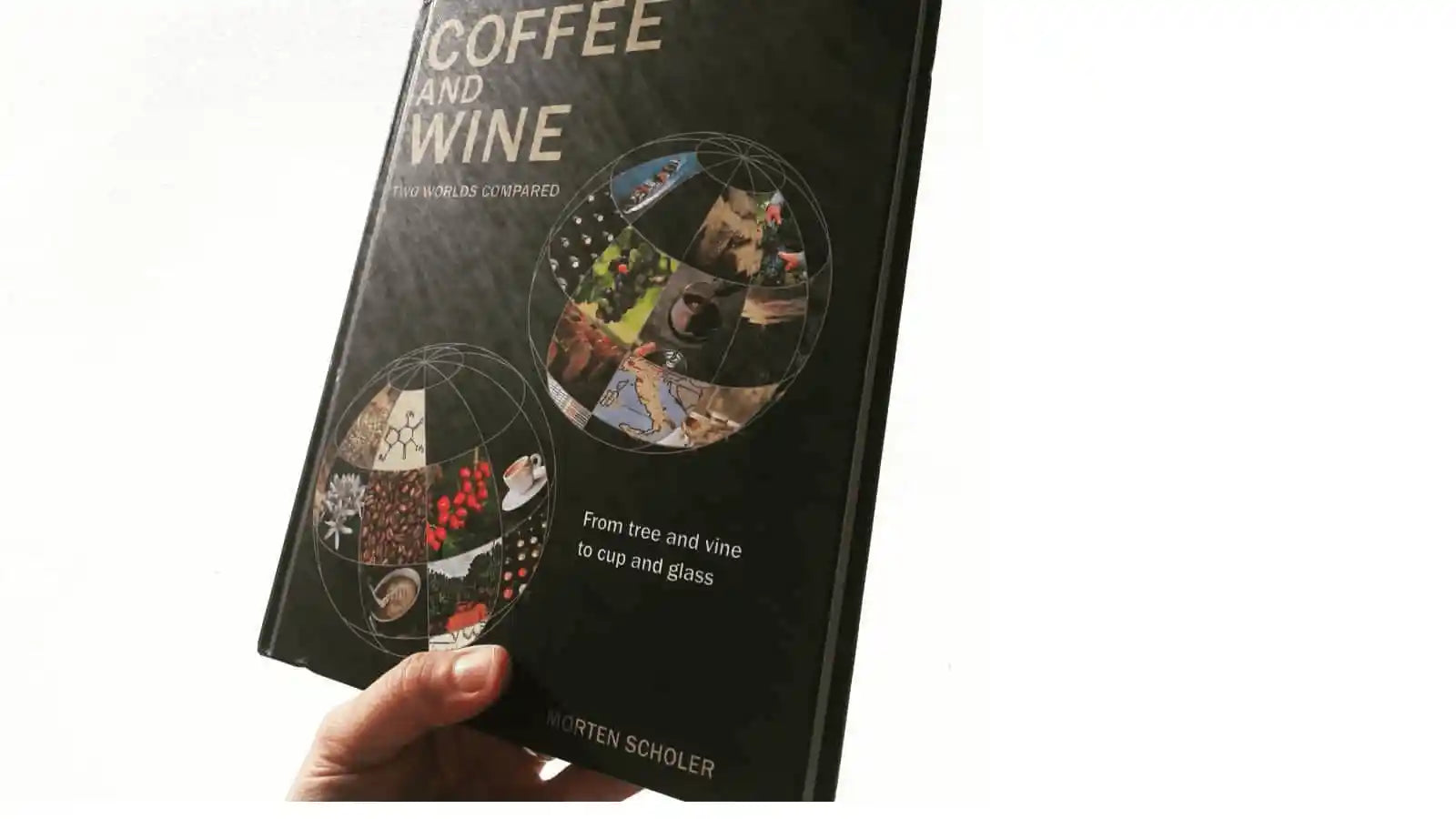
Wine and coffee – similarities and differences
We coffee enthusiasts often use the phrase "It's just like wine!" when we want to explain something about coffee. But does the comparison between these two pleasures hold up? Are there really so many similarities?
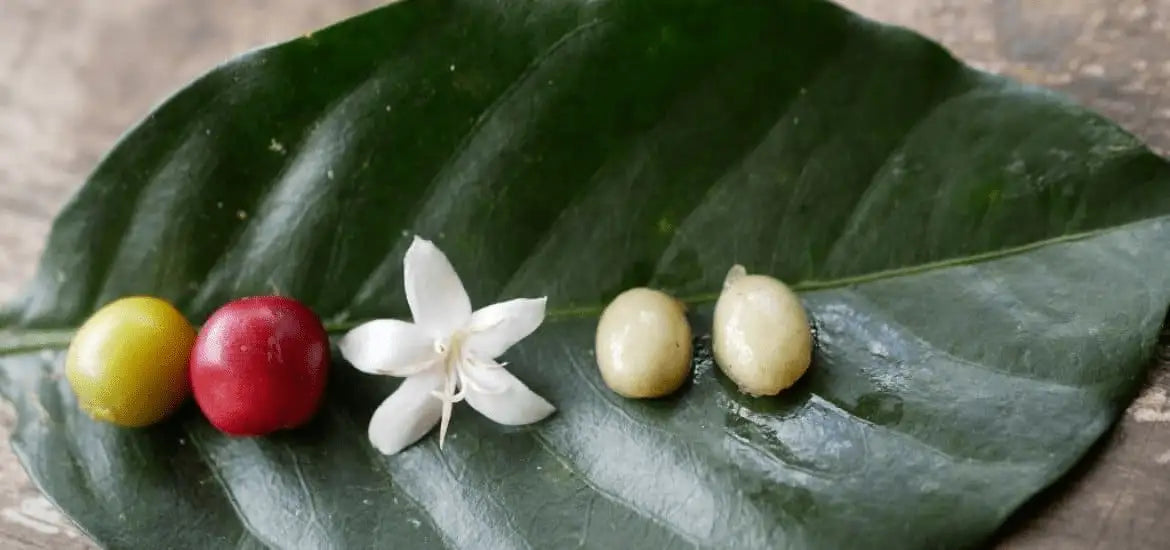
Robusta quality and Q Robusta grading
The qualitative assessment of Robusta is becoming increasingly sophisticated. We explain how Robusta/Canephora is evaluated in contrast to Arabica.
All about espresso preparation
Which coffee tastes best? Take the coffee type test

Espresso, filter, or fully automatic, mild or strong? With the coffee type test, you'll find coffees that suit you in four questions, plus tips on roasting, acidity, and freshness.
Reading next


